Description
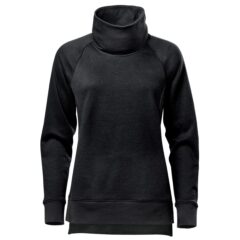
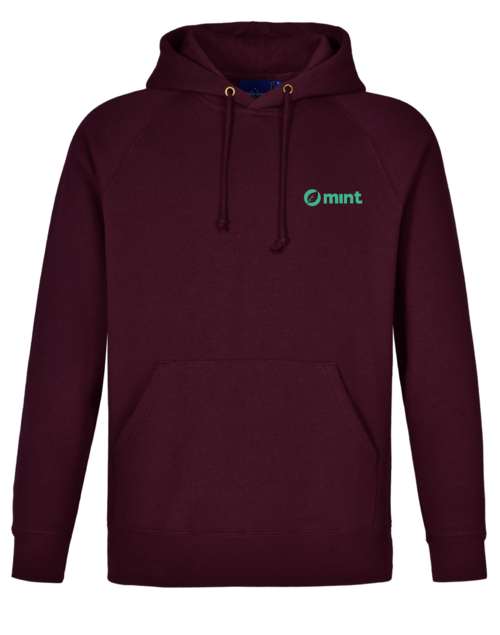
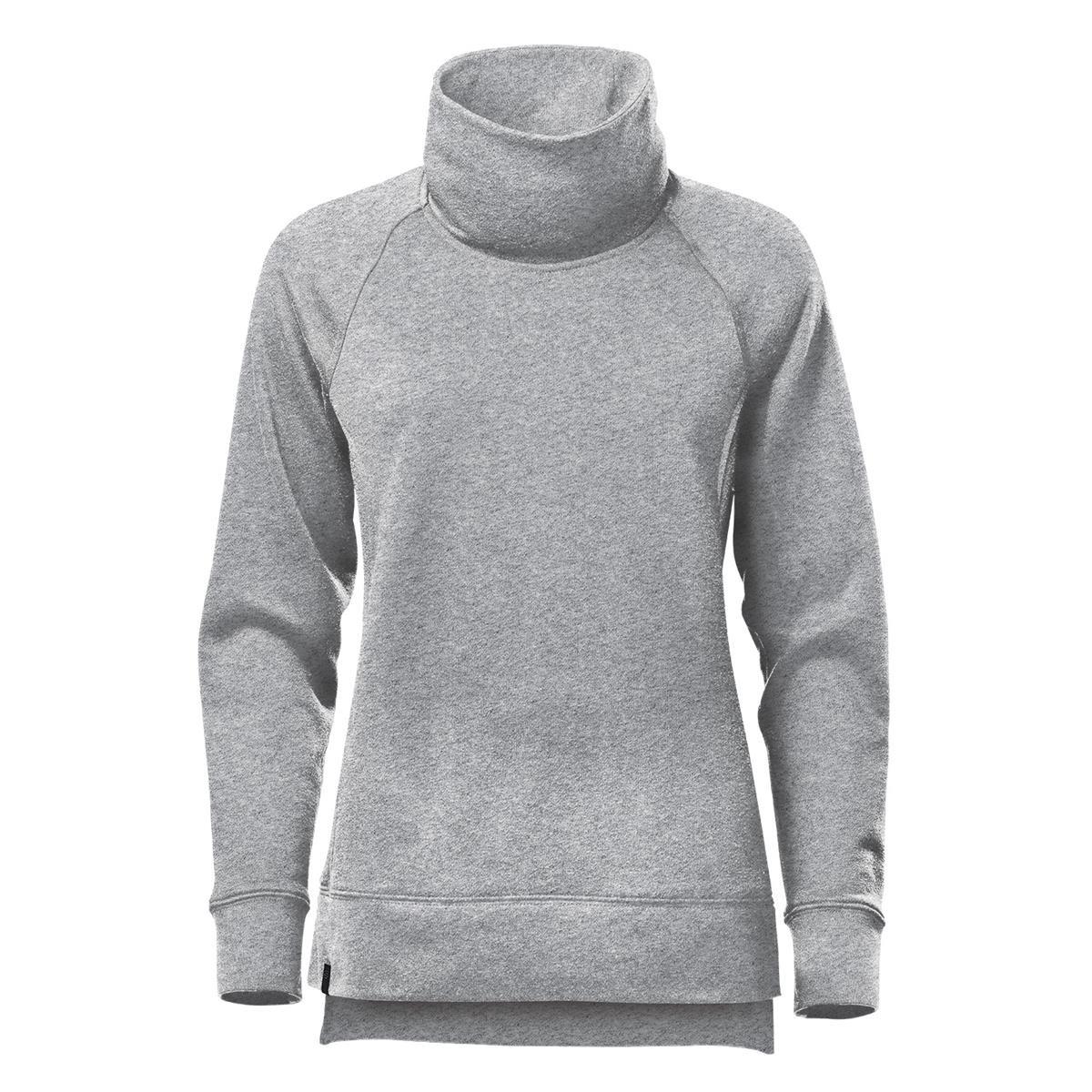
The Women's Monashee Cowl Neck Pullover is the ultimate promotional products choice for teams that demand style and sustainability. Crafted from BCI Cotton and recycled polyester with UPF 50+ protection, this hoodie features a cozy oversized mock neck and dropped back design—perfect for corporate gifting or branded merchandise that actually gets worn. Layer it season to season and watch your brand stay comfortable all year long.
Adjust on the go. Layering styles adapt to the season, the Monashee 1/4 Zip Pullover with full coverage collar maintains a comfortable environment and adds aesthetic charm to its functionality. This is layering dexterity at its best. Made from Recycled Polyester and sustainably sourced BCI Cotton for a reduced environmental footprint.
• Pure Earth by STORMTECH™
• UPF Rating 50+
• 1×1 Rib Knit Cuffs and Hem
• Oversized Mock Neck Collar
• Contoured Seaming
• On-Seam Hand Warmer Pockets
• Dropped Back with Hem Side Slits
• Raglan Sleeves
• 59% BCI Cotton/41% Recycled Polyester Fleece, 7.28 oz/yd2 (USA) / 247gsm (CDN)
Additional information
| Colour | Granite Heather, Black |
|---|---|
| Decoration | Small Embroidery up to 5K stitches, Medium Embroidery up to 10k stitches, Large Embroidery up to 15K Stitches 18cm wide, Extra Large Embroidery 20k stitches over 18cm, Small Embroidery up to 5K stitches (JS) [Hidden], Medium Embroidery up to 10k stitches (JS) [Hidden], Large Embroidery up to 15K Stitches 18cm wide (JS) [Hidden], Extra Large Embroidery 20k embroidery over 18cm (JS) [Hidden], Small Full colour digital Transfer 12x12cm (DTF) [Hidden], Full colour digital Transfer 20x28cm (DTF) [Hidden], Full colour digital Transfer 28x35cm (DTF) [Hidden], Small Full colour digital print 15x20cm Powerprint [Hidden], Medium Full colour digital print 20x28cm Powerprint [Hidden], Large Full colour digital print 28x35cm Powerprint [Hidden], Small Full colour digital Transfer 10x10cm (SuperColour), A4 Full colour digital Transfer (SuperColour), A3 Full colour digital Transfer (SuperColour), 1 Colour ScreenPrint (light colours only), 2 Colour ScreenPrint (light colours only), 3 Colour ScreenPrint (light colours only), 4 Colour ScreenPrint (light colours only), 1 Colour ScreenPrint (dark colours only), 2 Colour ScreenPrint (dark colours only), 3 Colour ScreenPrint (dark colours only), 4 Colour ScreenPrint (dark colours only), None |
| Decoration 2 | None, Small Embroidery up to 5K stitches, Medium Embroidery up to 10k stitches, Large Embroidery up to 15K Stitches 18cm wide, Extra Large Embroidery 20k stitches over 18cm, Small Embroidery up to 5K stitches (JS) [Hidden], Medium Embroidery up to 10k stitches (JS) [Hidden], Large Embroidery up to 15K Stitches 18cm wide (JS) [Hidden], Extra Large Embroidery 20k embroidery over 18cm (JS) [Hidden], Small Full colour digital Transfer 12x12cm (DTF) [Hidden], Full colour digital Transfer 20x28cm (DTF) [Hidden], Full colour digital Transfer 28x35cm (DTF) [Hidden], Small Full colour digital print 15x20cm Powerprint [Hidden], Medium Full colour digital print 20x28cm Powerprint [Hidden], Large Full colour digital print 28x35cm Powerprint [Hidden], Small Full colour digital Transfer 10x10cm (SuperColour), A4 Full colour digital Transfer (SuperColour), A3 Full colour digital Transfer (SuperColour), 1 Colour ScreenPrint (light colours only), 2 Colour ScreenPrint (light colours only), 3 Colour ScreenPrint (light colours only), 4 Colour ScreenPrint (light colours only), 1 Colour ScreenPrint (dark colours only), 2 Colour ScreenPrint (dark colours only), 3 Colour ScreenPrint (dark colours only), 4 Colour ScreenPrint (dark colours only) |
| Decoration 3 | None, Small Embroidery up to 5K stitches (JS) [Hidden], Medium Embroidery up to 10k stitches (JS) [Hidden], Small Full colour digital Transfer 12x12cm (DTF) [Hidden], Small Full colour digital print 15x20cm Powerprint [Hidden], Medium Full colour digital print 20x28cm Powerprint [Hidden], Small Full colour digital Transfer 10x10cm (SuperColour), 1 Colour ScreenPrint (light colours only), 2 Colour ScreenPrint (light colours only), 3 Colour ScreenPrint (light colours only), 4 Colour ScreenPrint (light colours only), 1 Colour ScreenPrint (dark colours only), 2 Colour ScreenPrint (dark colours only), 3 Colour ScreenPrint (dark colours only), 4 Colour ScreenPrint (dark colours only) |
| Optional | None, Poly Bagging, Embroidered names up to 2k stitches, Screen printed Neck label, Polly Bagging, Names up to 12cm wide Powerprint |
| Material | Cotton, Fleece, Polyester, Recycled Polyester |
| Production Time | 2-3 Weeks Production Time |
Our guarantee
All of our products are fully guaranteed to work, look and feel as designed.
Our most highly regarded company value at Good Things is integrity. We do what we say we are going to do in a timely fashion. We get "Back in a Flash" to all our clients for quotes, artwork and samples.
It is essential in our industry - from meeting delivery deadlines, through to having a product match a sample when delivered to each minute detail.
When dealing with us you can expect to get exactly what you ordered: as agreed, and on time. That is the Good Things Guarantee.
Product reviews
Women’s Monashee Cowl Neck Pullover

99.4% jobs
delivered on-time

Free graphic
design

Quotes within
24 hours


Get an instant quote
Description
The Women's Monashee Cowl Neck Pullover is the ultimate promotional products choice for teams that demand style and sustainability. Crafted from BCI Cotton and recycled polyester with UPF 50+ protection, this hoodie features a cozy oversized mock neck and dropped back design—perfect for corporate gifting or branded merchandise that actually gets worn. Layer it season to season and watch your brand stay comfortable all year long.
Adjust on the go. Layering styles adapt to the season, the Monashee 1/4 Zip Pullover with full coverage collar maintains a comfortable environment and adds aesthetic charm to its functionality. This is layering dexterity at its best. Made from Recycled Polyester and sustainably sourced BCI Cotton for a reduced environmental footprint.
• Pure Earth by STORMTECH™
• UPF Rating 50+
• 1×1 Rib Knit Cuffs and Hem
• Oversized Mock Neck Collar
• Contoured Seaming
• On-Seam Hand Warmer Pockets
• Dropped Back with Hem Side Slits
• Raglan Sleeves
• 59% BCI Cotton/41% Recycled Polyester Fleece, 7.28 oz/yd2 (USA) / 247gsm (CDN)
Additional information
| Colour | Granite Heather, Black |
|---|---|
| Decoration | Small Embroidery up to 5K stitches, Medium Embroidery up to 10k stitches, Large Embroidery up to 15K Stitches 18cm wide, Extra Large Embroidery 20k stitches over 18cm, Small Embroidery up to 5K stitches (JS) [Hidden], Medium Embroidery up to 10k stitches (JS) [Hidden], Large Embroidery up to 15K Stitches 18cm wide (JS) [Hidden], Extra Large Embroidery 20k embroidery over 18cm (JS) [Hidden], Small Full colour digital Transfer 12x12cm (DTF) [Hidden], Full colour digital Transfer 20x28cm (DTF) [Hidden], Full colour digital Transfer 28x35cm (DTF) [Hidden], Small Full colour digital print 15x20cm Powerprint [Hidden], Medium Full colour digital print 20x28cm Powerprint [Hidden], Large Full colour digital print 28x35cm Powerprint [Hidden], Small Full colour digital Transfer 10x10cm (SuperColour), A4 Full colour digital Transfer (SuperColour), A3 Full colour digital Transfer (SuperColour), 1 Colour ScreenPrint (light colours only), 2 Colour ScreenPrint (light colours only), 3 Colour ScreenPrint (light colours only), 4 Colour ScreenPrint (light colours only), 1 Colour ScreenPrint (dark colours only), 2 Colour ScreenPrint (dark colours only), 3 Colour ScreenPrint (dark colours only), 4 Colour ScreenPrint (dark colours only), None |
| Decoration 2 | None, Small Embroidery up to 5K stitches, Medium Embroidery up to 10k stitches, Large Embroidery up to 15K Stitches 18cm wide, Extra Large Embroidery 20k stitches over 18cm, Small Embroidery up to 5K stitches (JS) [Hidden], Medium Embroidery up to 10k stitches (JS) [Hidden], Large Embroidery up to 15K Stitches 18cm wide (JS) [Hidden], Extra Large Embroidery 20k embroidery over 18cm (JS) [Hidden], Small Full colour digital Transfer 12x12cm (DTF) [Hidden], Full colour digital Transfer 20x28cm (DTF) [Hidden], Full colour digital Transfer 28x35cm (DTF) [Hidden], Small Full colour digital print 15x20cm Powerprint [Hidden], Medium Full colour digital print 20x28cm Powerprint [Hidden], Large Full colour digital print 28x35cm Powerprint [Hidden], Small Full colour digital Transfer 10x10cm (SuperColour), A4 Full colour digital Transfer (SuperColour), A3 Full colour digital Transfer (SuperColour), 1 Colour ScreenPrint (light colours only), 2 Colour ScreenPrint (light colours only), 3 Colour ScreenPrint (light colours only), 4 Colour ScreenPrint (light colours only), 1 Colour ScreenPrint (dark colours only), 2 Colour ScreenPrint (dark colours only), 3 Colour ScreenPrint (dark colours only), 4 Colour ScreenPrint (dark colours only) |
| Decoration 3 | None, Small Embroidery up to 5K stitches (JS) [Hidden], Medium Embroidery up to 10k stitches (JS) [Hidden], Small Full colour digital Transfer 12x12cm (DTF) [Hidden], Small Full colour digital print 15x20cm Powerprint [Hidden], Medium Full colour digital print 20x28cm Powerprint [Hidden], Small Full colour digital Transfer 10x10cm (SuperColour), 1 Colour ScreenPrint (light colours only), 2 Colour ScreenPrint (light colours only), 3 Colour ScreenPrint (light colours only), 4 Colour ScreenPrint (light colours only), 1 Colour ScreenPrint (dark colours only), 2 Colour ScreenPrint (dark colours only), 3 Colour ScreenPrint (dark colours only), 4 Colour ScreenPrint (dark colours only) |
| Optional | None, Poly Bagging, Embroidered names up to 2k stitches, Screen printed Neck label, Polly Bagging, Names up to 12cm wide Powerprint |
| Material | Cotton, Fleece, Polyester, Recycled Polyester |
| Production Time | 2-3 Weeks Production Time |
Our guarantee
All of our products are fully guaranteed to work, look and feel as designed.
Our most highly regarded company value at Good Things is integrity. We do what we say we are going to do in a timely fashion. We get "Back in a Flash" to all our clients for quotes, artwork and samples.
It is essential in our industry - from meeting delivery deadlines, through to having a product match a sample when delivered to each minute detail.
When dealing with us you can expect to get exactly what you ordered: as agreed, and on time. That is the Good Things Guarantee.