Paulo Sugarcane Notebook

from $6.33

Min Qty: 50

SKU:
672247
ItemQtyNote
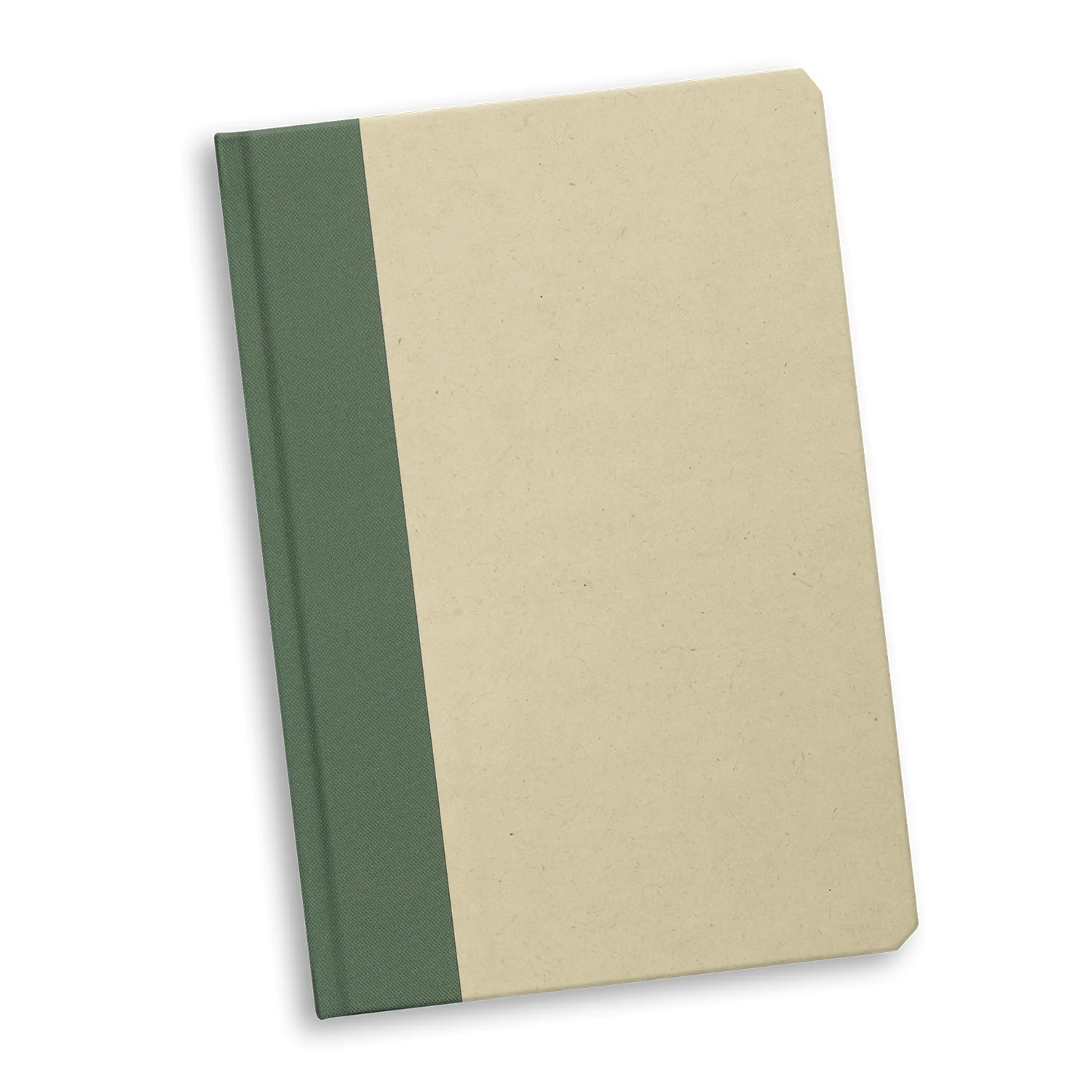
Olive Notebook05300 due Early Jul
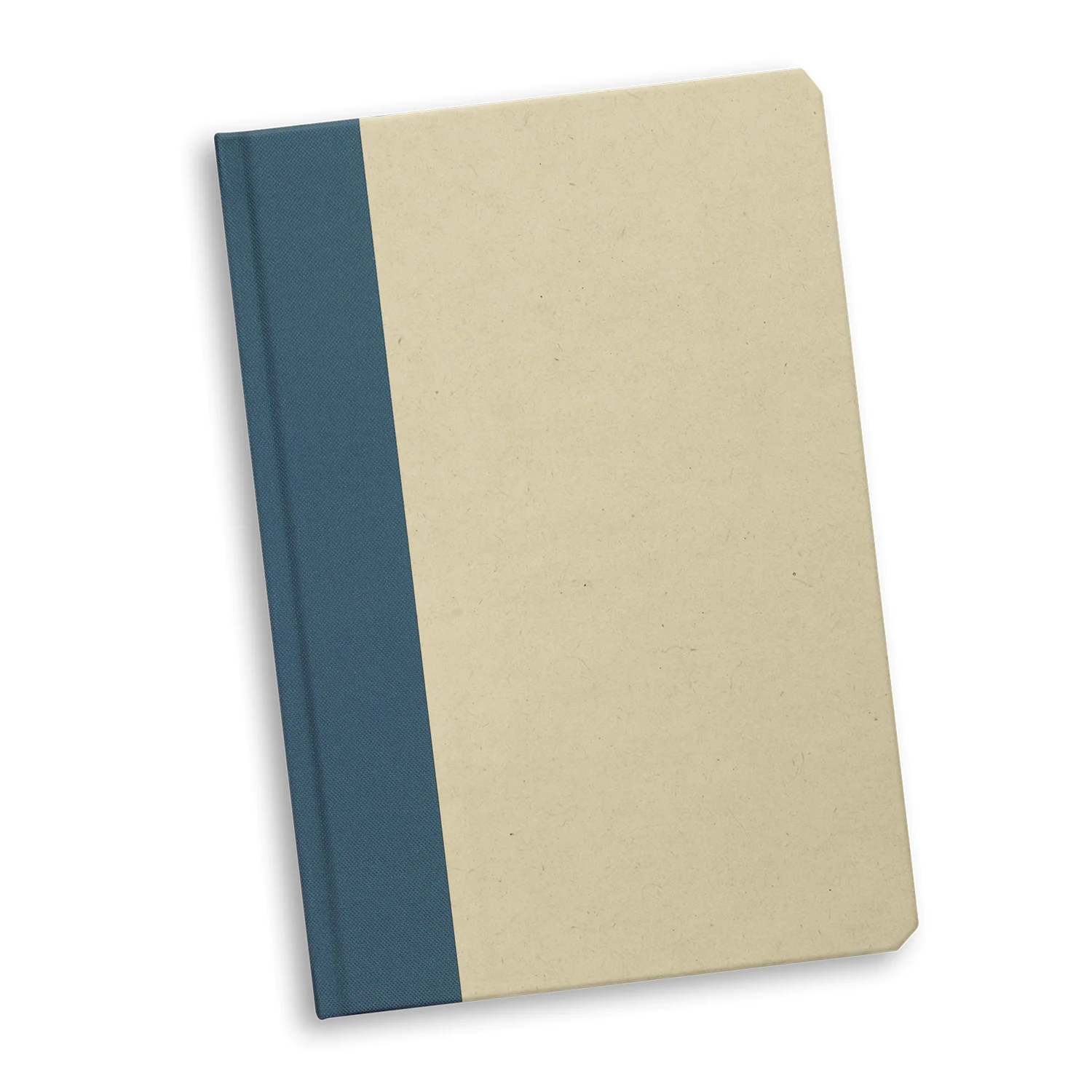
Navy Notebook1650
Black Notebook3700

Last updated: 3 days ago

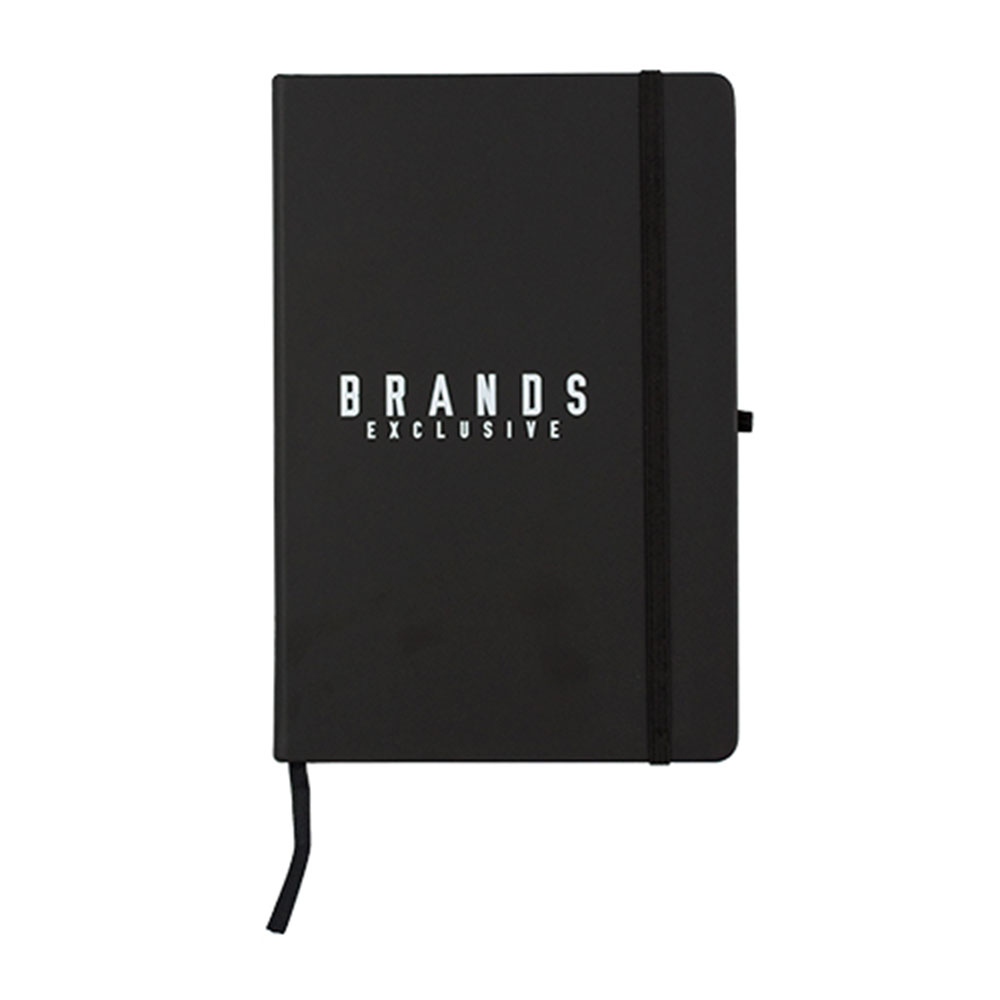
Decoration example for 1 Colour 1 Location Pad Print
Pad printing is the process of using a silicone pad to pick up ink from a Cliche or Metal template, and transferring the ink to products with hard surfaces. This process is ideal for small decoration areas with high detail.
Decoration example for 1 Colour 1 Location Pad Print

Pad printing is the process of using a silicone pad to pick up ink from a Cliche or Metal template, and transferring the ink to products with hard surfaces. This process is ideal for small decoration areas with high detail.

Advantages

  • Ideal for printing on curved or uneven products.
  • Prints sharp, clean images with detail as fine as 0.4mm, minimum text size is 5pt
  • Close PMS matches are possible on white or light-coloured products. Can print multiple solid colours.

Disadvantages

  • Unable to print variable data such as individual naming
  • Full-colour designs and gradients are not possible
  • Each colour requires its own setup charge
Decoration example for 2 Colour 1 Location Pad Print
Pad printing is the process of using a silicone pad to pick up ink from a Cliche or Metal template, and transferring the ink to products with hard surfaces. This process is ideal for small decoration areas with high detail.
Decoration example for 2 Colour 1 Location Pad Print

Pad printing is the process of using a silicone pad to pick up ink from a Cliche or Metal template, and transferring the ink to products with hard surfaces. This process is ideal for small decoration areas with high detail.

Advantages

  • Ideal for printing on curved or uneven products.
  • Prints sharp, clean images with detail as fine as 0.4mm, minimum text size is 5pt
  • Close PMS matches are possible on white or light-coloured products. Can print multiple solid colours.

Disadvantages

  • Unable to print variable data such as individual naming
  • Full-colour designs and gradients are not possible
  • Each colour requires its own setup charge
Decoration example for 3 Colour 1 Location Pad Print
Pad printing is the process of using a silicone pad to pick up ink from a Cliche or Metal template, and transferring the ink to products with hard surfaces. This process is ideal for small decoration areas with high detail.
Decoration example for 3 Colour 1 Location Pad Print

Pad printing is the process of using a silicone pad to pick up ink from a Cliche or Metal template, and transferring the ink to products with hard surfaces. This process is ideal for small decoration areas with high detail.

Advantages

  • Ideal for printing on curved or uneven products.
  • Prints sharp, clean images with detail as fine as 0.4mm, minimum text size is 5pt
  • Close PMS matches are possible on white or light-coloured products. Can print multiple solid colours.

Disadvantages

  • Unable to print variable data such as individual naming
  • Full-colour designs and gradients are not possible
  • Each colour requires its own setup charge
Decoration example for 1 Colour 2 Location Pad Print
Pad printing is the process of using a silicone pad to pick up ink from a Cliche or Metal template, and transferring the ink to products with hard surfaces. This process is ideal for small decoration areas with high detail.
Decoration example for 1 Colour 2 Location Pad Print

Pad printing is the process of using a silicone pad to pick up ink from a Cliche or Metal template, and transferring the ink to products with hard surfaces. This process is ideal for small decoration areas with high detail.

Advantages

  • Ideal for printing on curved or uneven products.
  • Prints sharp, clean images with detail as fine as 0.4mm, minimum text size is 5pt
  • Close PMS matches are possible on white or light-coloured products. Can print multiple solid colours.

Disadvantages

  • Unable to print variable data such as individual naming
  • Full-colour designs and gradients are not possible
  • Each colour requires its own setup charge
Decoration example for 2 Colour 2 Location Pad Print
Pad printing is the process of using a silicone pad to pick up ink from a Cliche or Metal template, and transferring the ink to products with hard surfaces. This process is ideal for small decoration areas with high detail.
Decoration example for 2 Colour 2 Location Pad Print

Pad printing is the process of using a silicone pad to pick up ink from a Cliche or Metal template, and transferring the ink to products with hard surfaces. This process is ideal for small decoration areas with high detail.

Advantages

  • Ideal for printing on curved or uneven products.
  • Prints sharp, clean images with detail as fine as 0.4mm, minimum text size is 5pt
  • Close PMS matches are possible on white or light-coloured products. Can print multiple solid colours.

Disadvantages

  • Unable to print variable data such as individual naming
  • Full-colour designs and gradients are not possible
  • Each colour requires its own setup charge
Decoration example for 3 Colour 2 Location Pad Print
Pad printing is the process of using a silicone pad to pick up ink from a Cliche or Metal template, and transferring the ink to products with hard surfaces. This process is ideal for small decoration areas with high detail.
Decoration example for 3 Colour 2 Location Pad Print

Pad printing is the process of using a silicone pad to pick up ink from a Cliche or Metal template, and transferring the ink to products with hard surfaces. This process is ideal for small decoration areas with high detail.

Advantages

  • Ideal for printing on curved or uneven products.
  • Prints sharp, clean images with detail as fine as 0.4mm, minimum text size is 5pt
  • Close PMS matches are possible on white or light-coloured products. Can print multiple solid colours.

Disadvantages

  • Unable to print variable data such as individual naming
  • Full-colour designs and gradients are not possible
  • Each colour requires its own setup charge
Decoration example for 1 Colour Screen Print
Screen printing is the process of pressing ink through a fine mesh screen onto flat or fabric products. The screen is covered in a stencil that only allows ink through where the design requires.
Decoration example for 1 Colour Screen Print

Screen printing is the process of pressing ink through a fine mesh screen onto flat or fabric products. The screen is covered in a stencil that only allows ink through where the design requires.

Advantages

  • Large print areas are achievable on flat products.
  • An economical decoration method for larger print runs or designs with only a few colours
  • Close PMS matches are able to be achieved

Disadvantages

  • Full-colour designs and gradients are not possible
  • Each colour requires its own setup charge
  • Printing on darker coloured products may require a base print
Decoration example for 2 Colour Screen Print
Screen printing is the process of pressing ink through a fine mesh screen onto flat or fabric products. The screen is covered in a stencil that only allows ink through where the design requires.
Decoration example for 2 Colour Screen Print

Screen printing is the process of pressing ink through a fine mesh screen onto flat or fabric products. The screen is covered in a stencil that only allows ink through where the design requires.

Advantages

  • Large print areas are achievable on flat products.
  • An economical decoration method for larger print runs or designs with only a few colours
  • Close PMS matches are able to be achieved

Disadvantages

  • Full-colour designs and gradients are not possible
  • Each colour requires its own setup charge
  • Printing on darker coloured products may require a base print
Decoration example for 3 Colour Screen Print
Screen printing is the process of pressing ink through a fine mesh screen onto flat or fabric products. The screen is covered in a stencil that only allows ink through where the design requires.
Decoration example for 3 Colour Screen Print

Screen printing is the process of pressing ink through a fine mesh screen onto flat or fabric products. The screen is covered in a stencil that only allows ink through where the design requires.

Advantages

  • Large print areas are achievable on flat products.
  • An economical decoration method for larger print runs or designs with only a few colours
  • Close PMS matches are able to be achieved

Disadvantages

  • Full-colour designs and gradients are not possible
  • Each colour requires its own setup charge
  • Printing on darker coloured products may require a base print
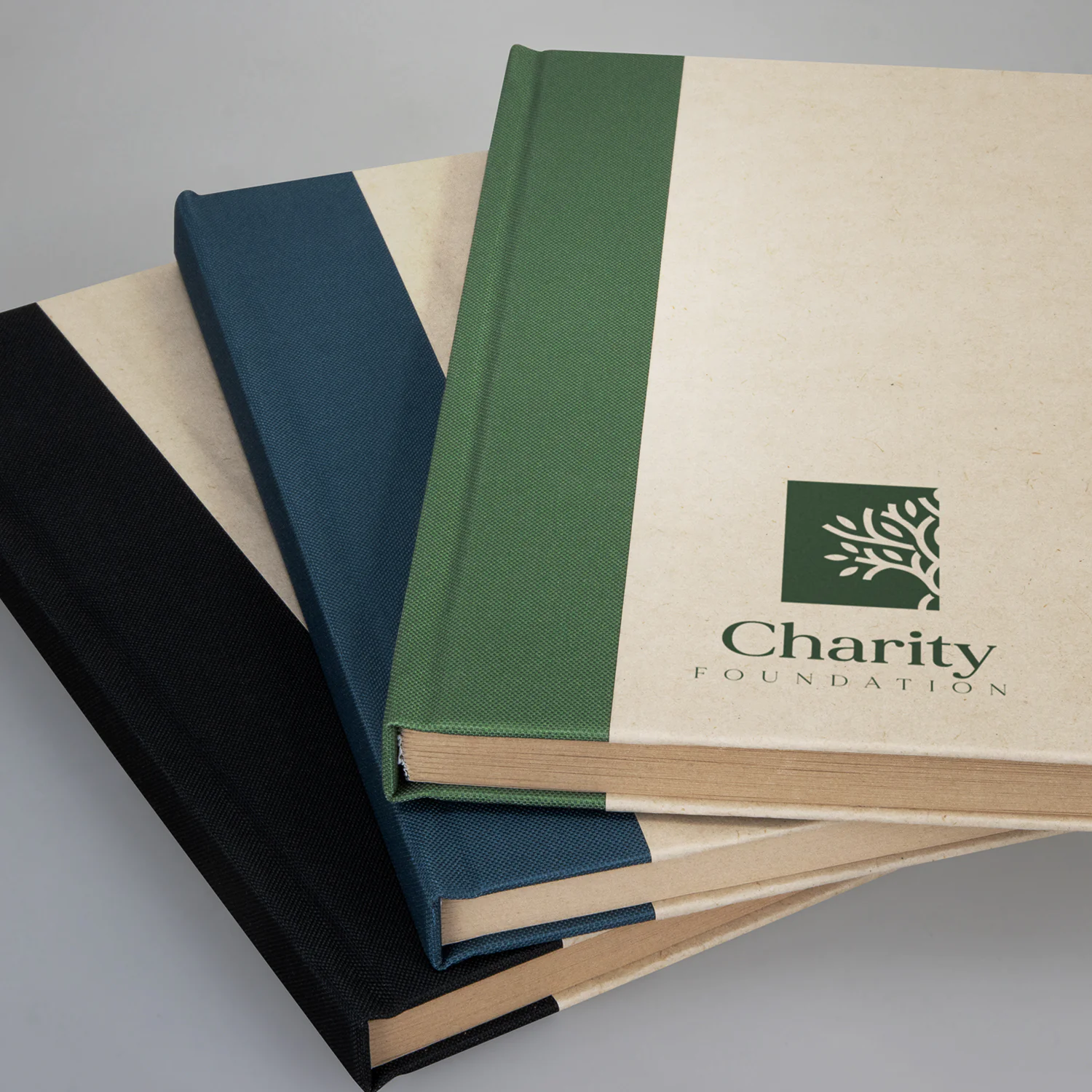
Olive
Navy
Black
Clear
If confirmed by 2nd April
Delivery by ~16th Apr.
Need it sooner? with us.
2 Weeks
$TBD ex GST
Free Shipping & Setup

Minimum qty is 25

⏰ Get a quote now to lock in this pricing for 72 hours

99.4% jobs
delivered on-time

Free graphic
design

Quotes within
24 hours

Get an instant quote

Description

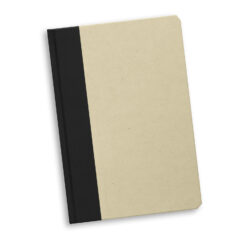
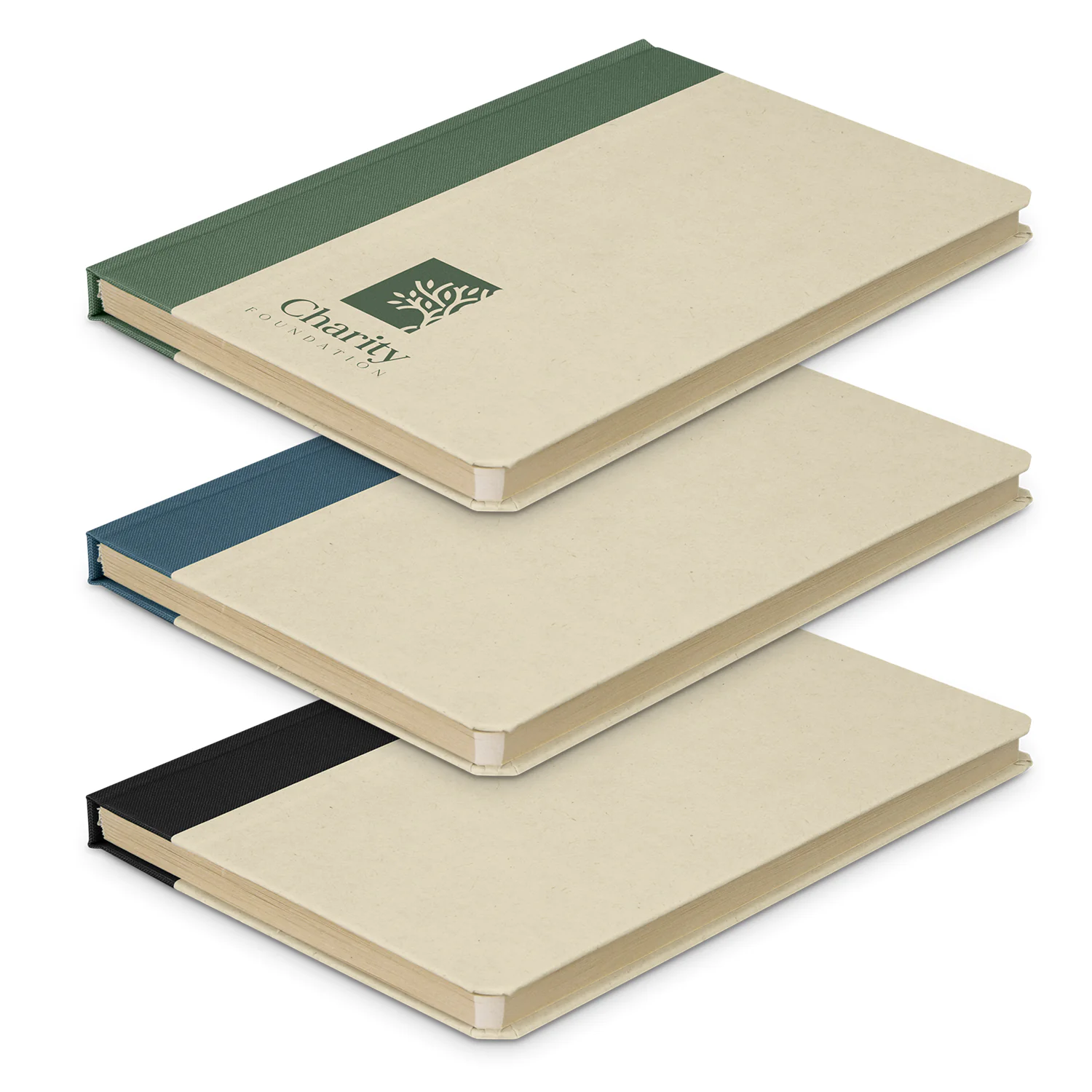
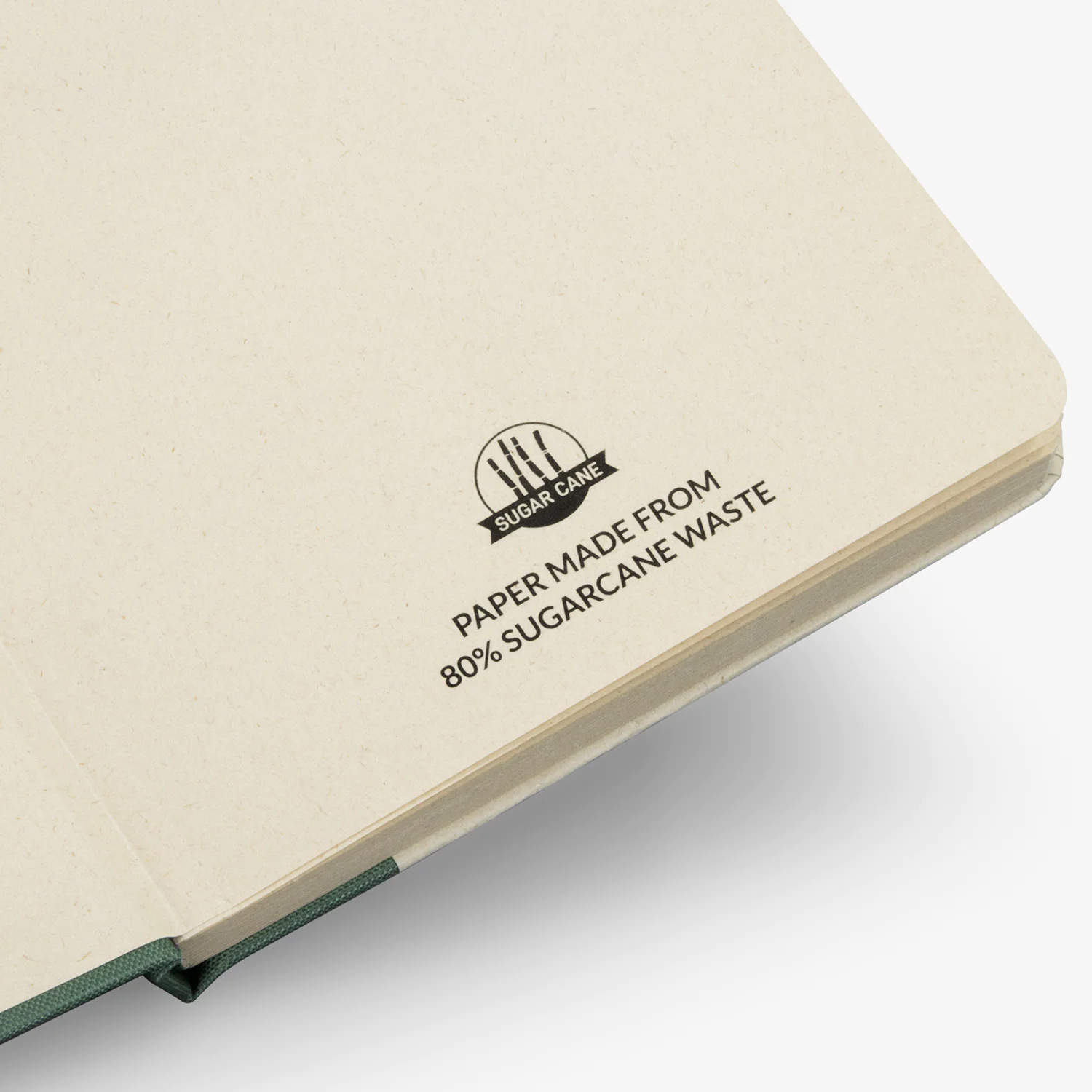
The Paulo Sugarcane Notebook is an eco-conscious choice for promotional products that actually get usedβ€”its 80% sugarcane waste construction and 160-page capacity make it perfect for corporate gifts, client handouts, or employee onboarding kits. The hardcover design with contrasting rPET trim and smooth 90gsm lined paper delivers professional appeal that reflects well on your brand. Whether customised for your business or gifted as-is, this medium-sized notebook combines sustainable materials with everyday practicality.

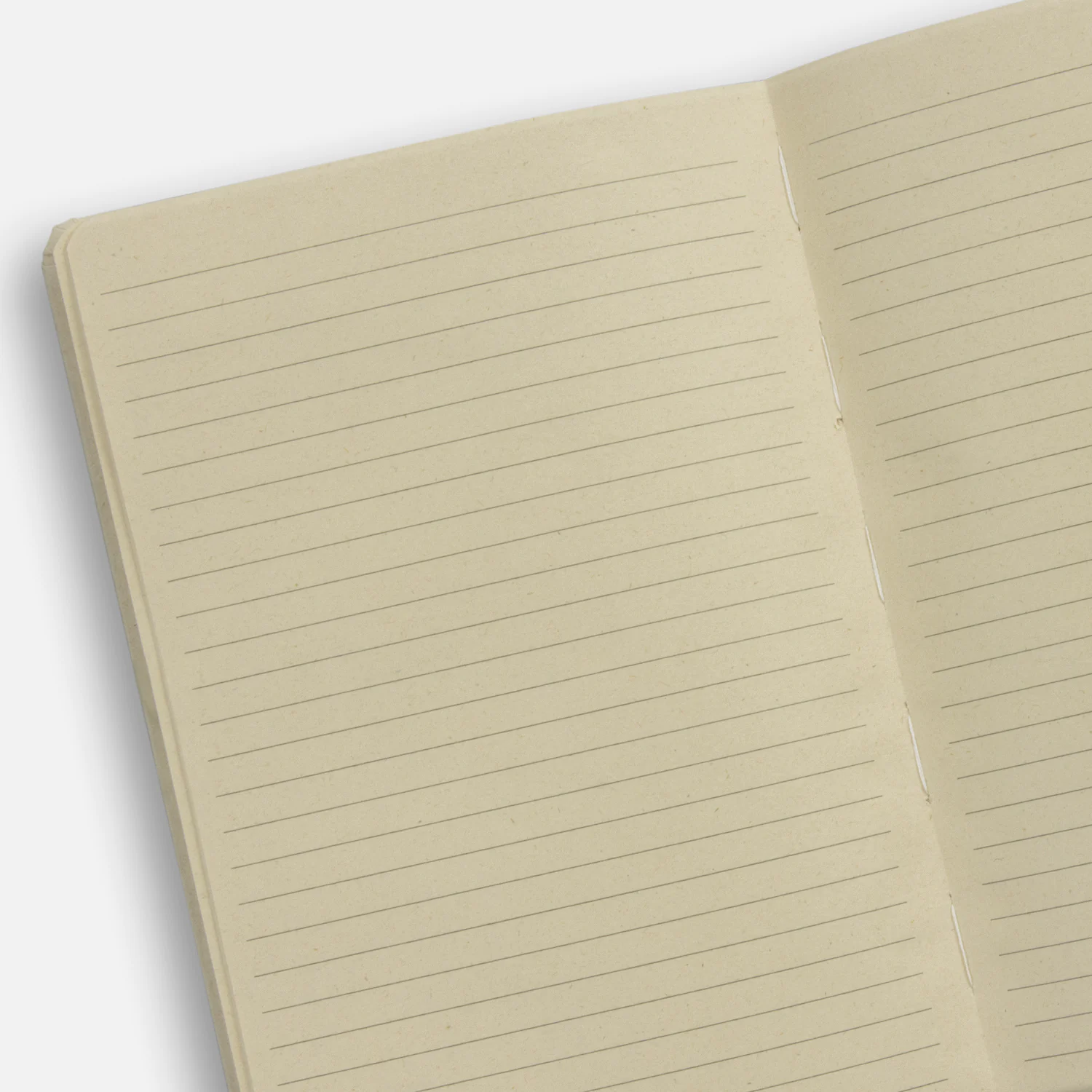
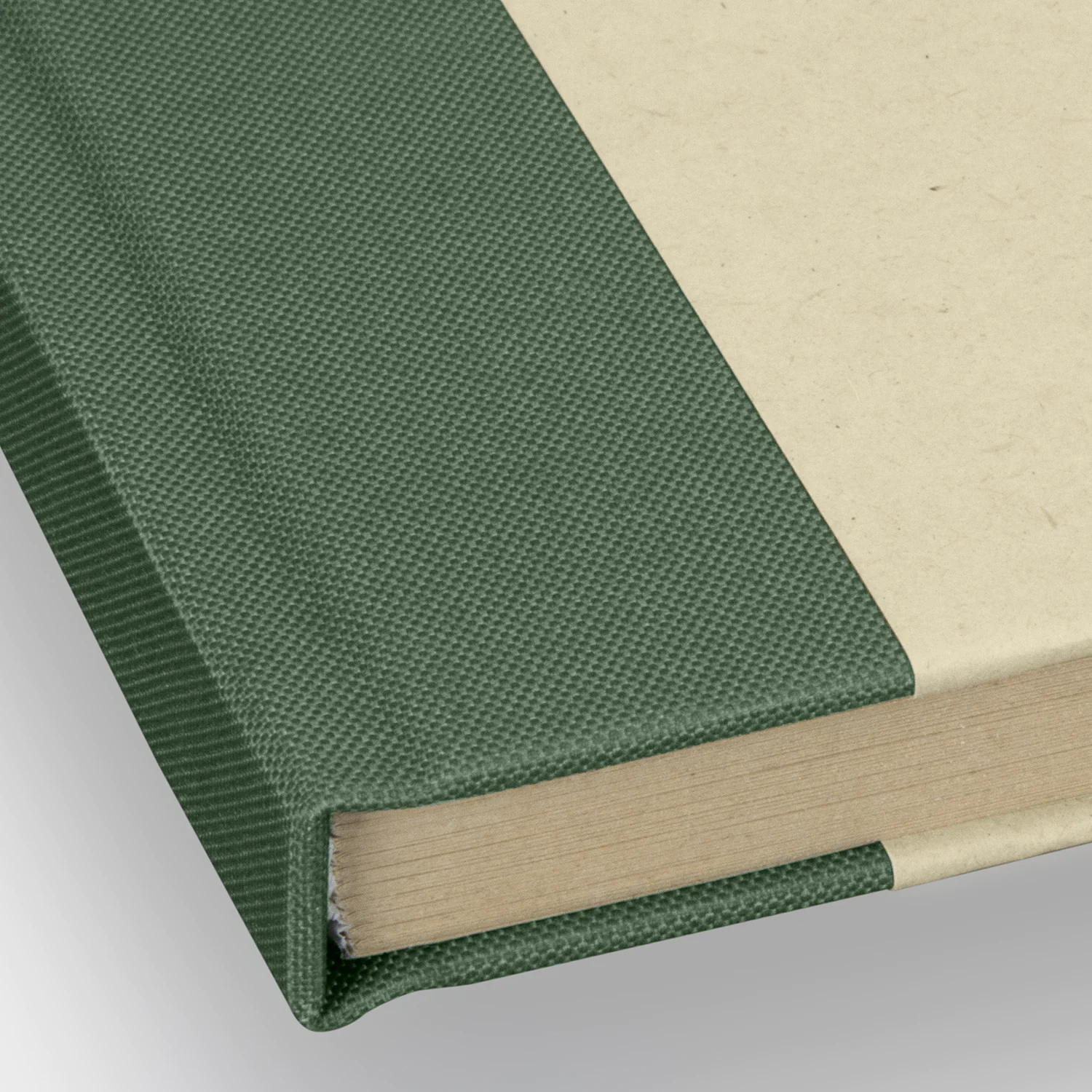
A practical and elegant medium-sized hardcover notebook made with 80% sugarcane waste. It includes 80 leaves (160 pages) of smooth 90gsm natural lined paper, making it ideal for everyday use. The hard cover is enhanced with an rPET trim in a striking contrasting colour. Perfect for professionals, students, and creatives seeking quality and thoughtful design.

Cover Type: Hard
Size: Medium
Page Colour: Natural
Page Edges: Rounded
Binding Method: Case
Leaves: 80
Page Weight: 90gsm
Approx. Cover Thickness: 2mm
Page Design: Lined
Country Of Origin: China

Loose packed

Dimensions: H 210mm x W 145mm x 15mm