Description
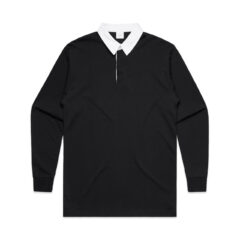
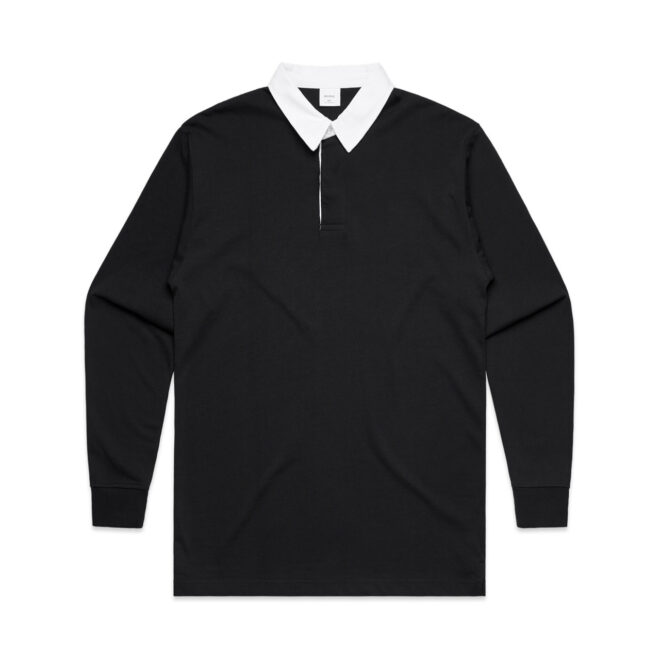
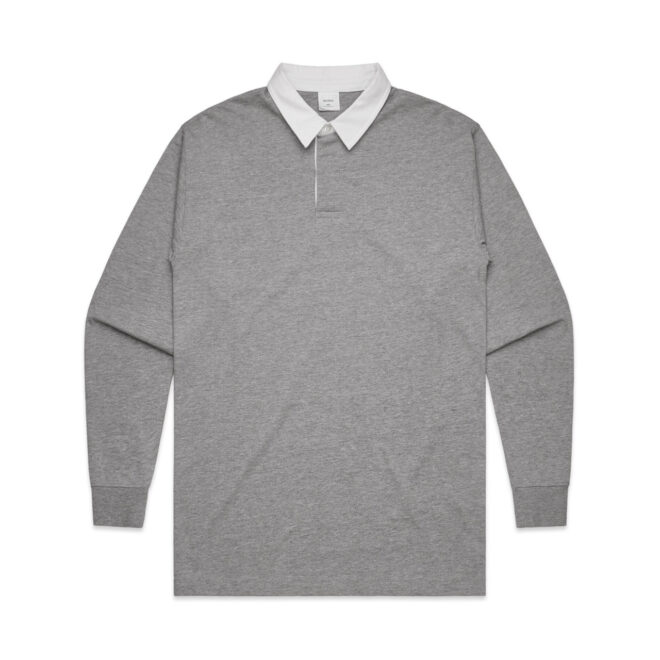
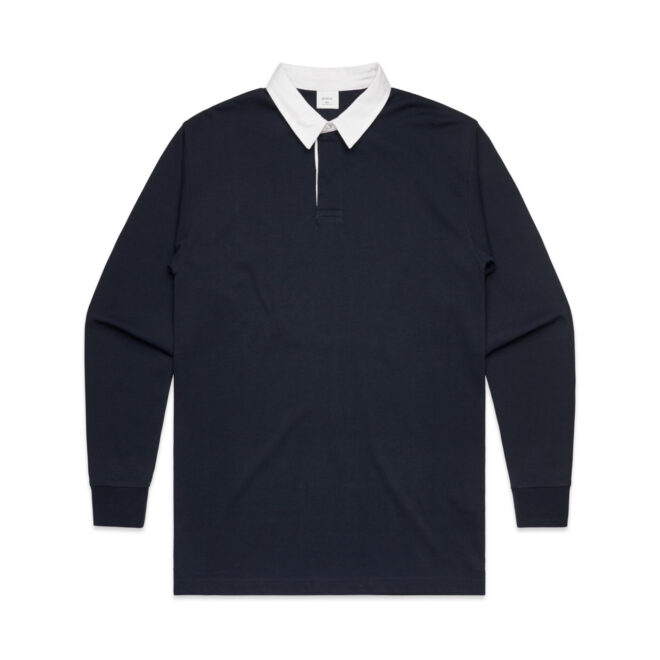
Looking for tough promotional products that'll last? Our Men's Rugby Jersey is built heavy at 280 GSM with 100% carded cotton and preshrunk construction, so it holds up through washing and wearing. Perfect for corporate teams, sports clubs, or branded merchandise giveaways that actually get worn.
Relaxed fit
Heavy weight, 280 GSM, 26-doubles
100% carded cotton (marles 15% viscose)
White drill collar, herringbone tape at placket, ribbed cuffs, side split at hem, side seamed, double needle hems, preshrunk to minimise shrinkage
See also: Browse all promotional as colour · Caps & Hats range
Additional information
| Colour | Ecru, Grey Marle, Liberty, Shadow, Forest Green, Navy, Black |
|---|---|
| Decoration | Small Embroidery up to 5K stitches, Medium Embroidery up to 10k stitches, Large Embroidery up to 15K Stitches 18cm wide, Extra Large Embroidery 20k embroidery over 18cm, Small Embroidery up to 5K stitches (JS) [Hidden], Medium Embroidery up to 10k stitches (JS) [Hidden], Large Embroidery up to 15K Stitches 18cm wide (JS) [Hidden], Extra Large Embroidery 20k embroidery over 18cm (JS) [Hidden], Small Full colour digital Transfer 12x12cm (DTF) [Hidden], Full colour digital Transfer 20x28cm (DTF) [Hidden], Full colour digital Transfer 28x35cm (DTF) [Hidden], Small Full colour digital print 12x12cm Powerprint [Hidden], Medium Full colour digital print 20x28cm Powerprint [Hidden], Large Full colour digital print 28x35cm Powerprint [Hidden], Small Full colour digital Transfer 10x10cm (SuperColour), A4 Full colour digital Transfer (SuperColour), A3 Full colour digital Transfer (SuperColour), 1 Colour ScreenPrint (light colours only), 2 Colour ScreenPrint (light colours only), 3 Colour ScreenPrint (light colours only), 4 Colour ScreenPrint (light colours only), 1 Colour ScreenPrint (dark colours only), 2 Colour ScreenPrint (dark colours only), 3 Colour ScreenPrint (dark colours only), 4 Colour ScreenPrint (dark colours only), None |
| Decoration 2 | None, Small Embroidery up to 5K stitches, Medium Embroidery up to 10k stitches, Large Embroidery up to 15K Stitches 18cm wide, Extra Large Embroidery 20k embroidery over 18cm, Small Embroidery up to 5K stitches (JS) [Hidden], Medium Embroidery up to 10k stitches (JS) [Hidden], Large Embroidery up to 15K Stitches 18cm wide (JS) [Hidden], Extra Large Embroidery 20k embroidery over 18cm (JS) [Hidden], Small Full colour digital Transfer 12x12cm (DTF) [Hidden], Full colour digital Transfer 20x28cm (DTF) [Hidden], Full colour digital Transfer 28x35cm (DTF) [Hidden], Small Full colour digital print 12x12cm Powerprint [Hidden], Medium Full colour digital print 20x28cm Powerprint [Hidden], Large Full colour digital print 28x35cm Powerprint [Hidden], Small Full colour digital Transfer 10x10cm (SuperColour), A4 Full colour digital Transfer (SuperColour), A3 Full colour digital Transfer (SuperColour), 1 Colour ScreenPrint (light colours only), 2 Colour ScreenPrint (light colours only), 3 Colour ScreenPrint (light colours only), 4 Colour ScreenPrint (light colours only), 1 Colour ScreenPrint (dark colours only), 2 Colour ScreenPrint (dark colours only), 3 Colour ScreenPrint (dark colours only), 4 Colour ScreenPrint (dark colours only) |
| Decoration 3 | None, Small Embroidery up to 5K stitches, Medium Embroidery up to 10k stitches, Small Embroidery up to 5K stitches (JS) [Hidden], Medium Embroidery up to 10k stitches (JS) [Hidden], Small Full colour digital Transfer 12x12cm (DTF) [Hidden], Small Full colour digital print 12x12cm Powerprint [Hidden], Medium Full colour digital print 20x28cm Powerprint [Hidden], Small Full colour digital Transfer 10x10cm (SuperColour), 1 Colour ScreenPrint (light colours only), 2 Colour ScreenPrint (light colours only), 3 Colour ScreenPrint (light colours only), 4 Colour ScreenPrint (light colours only), 1 Colour ScreenPrint (dark colours only), 2 Colour ScreenPrint (dark colours only), 3 Colour ScreenPrint (dark colours only), 4 Colour ScreenPrint (dark colours only) |
| Optional | None, Poly Bagging, Embroidered names up to 2k stitches, Screen printed Neck label, Names up to 12cm wide Powerprint |
| Material | 100% carded cotton (marles 15% viscose) |
| Production Time | 2 Weeks Production Time |
Our guarantee
All of our products are fully guaranteed to work, look and feel as designed.
Our most highly regarded company value at Good Things is integrity. We do what we say we are going to do in a timely fashion. We get "Back in a Flash" to all our clients for quotes, artwork and samples.
It is essential in our industry - from meeting delivery deadlines, through to having a product match a sample when delivered to each minute detail.
When dealing with us you can expect to get exactly what you ordered: as agreed, and on time. That is the Good Things Guarantee.
Product reviews
Mens Rugby Jersey

99.4% jobs
delivered on-time

Free graphic
design

Quotes within
24 hours


Get an instant quote
Description
Looking for tough promotional products that'll last? Our Men's Rugby Jersey is built heavy at 280 GSM with 100% carded cotton and preshrunk construction, so it holds up through washing and wearing. Perfect for corporate teams, sports clubs, or branded merchandise giveaways that actually get worn.
Relaxed fit
Heavy weight, 280 GSM, 26-doubles
100% carded cotton (marles 15% viscose)
White drill collar, herringbone tape at placket, ribbed cuffs, side split at hem, side seamed, double needle hems, preshrunk to minimise shrinkage
See also: Browse all promotional as colour · Caps & Hats range
Additional information
| Colour | Ecru, Grey Marle, Liberty, Shadow, Forest Green, Navy, Black |
|---|---|
| Decoration | Small Embroidery up to 5K stitches, Medium Embroidery up to 10k stitches, Large Embroidery up to 15K Stitches 18cm wide, Extra Large Embroidery 20k embroidery over 18cm, Small Embroidery up to 5K stitches (JS) [Hidden], Medium Embroidery up to 10k stitches (JS) [Hidden], Large Embroidery up to 15K Stitches 18cm wide (JS) [Hidden], Extra Large Embroidery 20k embroidery over 18cm (JS) [Hidden], Small Full colour digital Transfer 12x12cm (DTF) [Hidden], Full colour digital Transfer 20x28cm (DTF) [Hidden], Full colour digital Transfer 28x35cm (DTF) [Hidden], Small Full colour digital print 12x12cm Powerprint [Hidden], Medium Full colour digital print 20x28cm Powerprint [Hidden], Large Full colour digital print 28x35cm Powerprint [Hidden], Small Full colour digital Transfer 10x10cm (SuperColour), A4 Full colour digital Transfer (SuperColour), A3 Full colour digital Transfer (SuperColour), 1 Colour ScreenPrint (light colours only), 2 Colour ScreenPrint (light colours only), 3 Colour ScreenPrint (light colours only), 4 Colour ScreenPrint (light colours only), 1 Colour ScreenPrint (dark colours only), 2 Colour ScreenPrint (dark colours only), 3 Colour ScreenPrint (dark colours only), 4 Colour ScreenPrint (dark colours only), None |
| Decoration 2 | None, Small Embroidery up to 5K stitches, Medium Embroidery up to 10k stitches, Large Embroidery up to 15K Stitches 18cm wide, Extra Large Embroidery 20k embroidery over 18cm, Small Embroidery up to 5K stitches (JS) [Hidden], Medium Embroidery up to 10k stitches (JS) [Hidden], Large Embroidery up to 15K Stitches 18cm wide (JS) [Hidden], Extra Large Embroidery 20k embroidery over 18cm (JS) [Hidden], Small Full colour digital Transfer 12x12cm (DTF) [Hidden], Full colour digital Transfer 20x28cm (DTF) [Hidden], Full colour digital Transfer 28x35cm (DTF) [Hidden], Small Full colour digital print 12x12cm Powerprint [Hidden], Medium Full colour digital print 20x28cm Powerprint [Hidden], Large Full colour digital print 28x35cm Powerprint [Hidden], Small Full colour digital Transfer 10x10cm (SuperColour), A4 Full colour digital Transfer (SuperColour), A3 Full colour digital Transfer (SuperColour), 1 Colour ScreenPrint (light colours only), 2 Colour ScreenPrint (light colours only), 3 Colour ScreenPrint (light colours only), 4 Colour ScreenPrint (light colours only), 1 Colour ScreenPrint (dark colours only), 2 Colour ScreenPrint (dark colours only), 3 Colour ScreenPrint (dark colours only), 4 Colour ScreenPrint (dark colours only) |
| Decoration 3 | None, Small Embroidery up to 5K stitches, Medium Embroidery up to 10k stitches, Small Embroidery up to 5K stitches (JS) [Hidden], Medium Embroidery up to 10k stitches (JS) [Hidden], Small Full colour digital Transfer 12x12cm (DTF) [Hidden], Small Full colour digital print 12x12cm Powerprint [Hidden], Medium Full colour digital print 20x28cm Powerprint [Hidden], Small Full colour digital Transfer 10x10cm (SuperColour), 1 Colour ScreenPrint (light colours only), 2 Colour ScreenPrint (light colours only), 3 Colour ScreenPrint (light colours only), 4 Colour ScreenPrint (light colours only), 1 Colour ScreenPrint (dark colours only), 2 Colour ScreenPrint (dark colours only), 3 Colour ScreenPrint (dark colours only), 4 Colour ScreenPrint (dark colours only) |
| Optional | None, Poly Bagging, Embroidered names up to 2k stitches, Screen printed Neck label, Names up to 12cm wide Powerprint |
| Material | 100% carded cotton (marles 15% viscose) |
| Production Time | 2 Weeks Production Time |
Our guarantee
All of our products are fully guaranteed to work, look and feel as designed.
Our most highly regarded company value at Good Things is integrity. We do what we say we are going to do in a timely fashion. We get "Back in a Flash" to all our clients for quotes, artwork and samples.
It is essential in our industry - from meeting delivery deadlines, through to having a product match a sample when delivered to each minute detail.
When dealing with us you can expect to get exactly what you ordered: as agreed, and on time. That is the Good Things Guarantee.