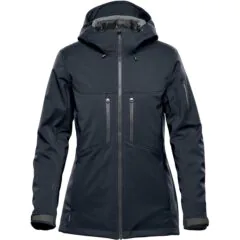
Women’s Epsilon System Jacket

from $417.20

Min Qty: 25

SKU:
UE-7J
ItemQtyNote
HR 2W BL XS Storm Direct41
HR 2W BL XS On Order0
HR 2W BL S Storm Direct12
HR 2W BL S On Order147
HR 2W BL M Storm Direct98
HR 2W BL M On Order161
HR 2W BL L Storm Direct67
HR 2W BL L On Order140
HR 2W BL XL Storm Direct50
HR 2W BL XL On Order98
HR 2W BL 2XL Storm Direct22
HR 2W BL 2XL On Order56
HR 2W CHA XS Storm Direct36
HR 2W CHA XS On Order0
HR 2W CHA S Storm Direct118
HR 2W CHA S On Order0
HR 2W CHA M Storm Direct151
HR 2W CHA M On Order0
HR 2W CHA L Storm Direct71
HR 2W CHA L On Order0
HR 2W CHA XL Storm Direct0
HR 2W CHA XL On Order0
HR 2W CHA 2XL Storm Direct11
HR 2W CHA 2XL On Order0
HR 2W NA XS Storm Direct44
HR 2W NA XS On Order0
HR 2W NA S Storm Direct64
HR 2W NA S On Order0
HR 2W NA M Storm Direct147
HR 2W NA M On Order0
HR 2W NA L Storm Direct86
HR 2W NA L On Order0
HR 2W NA XL Storm Direct69
HR 2W NA XL On Order0
HR 2W NA 2XL Storm Direct44
HR 2W NA 2XL On Order0

Last updated: 11 hours ago

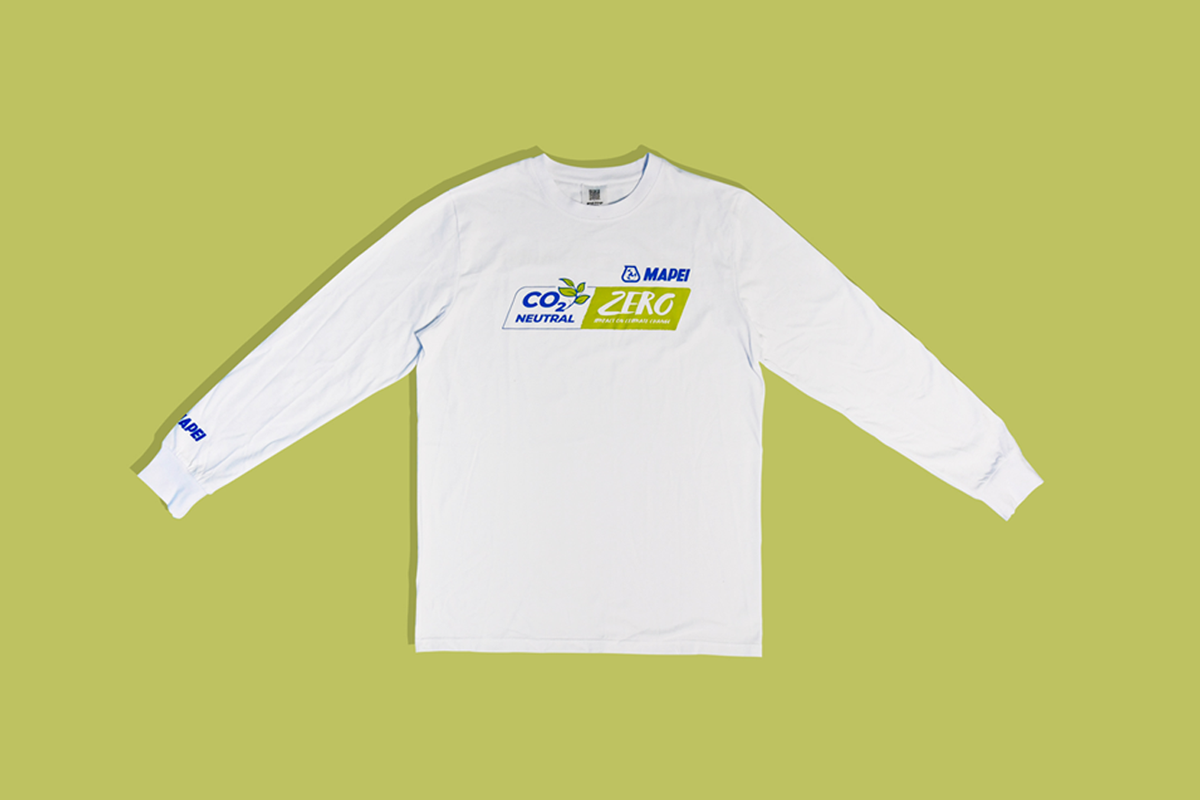
Decoration example for Small Embroidery Up To 5K Stitches
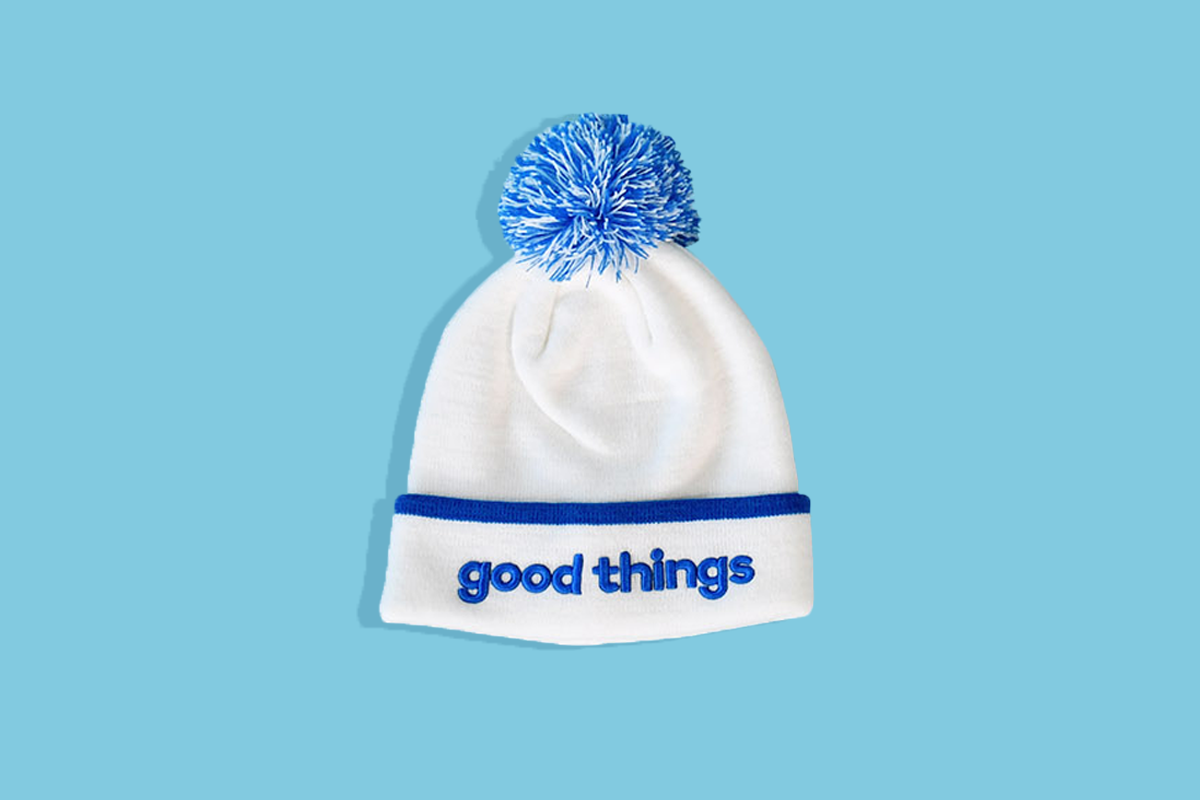
Embroidery is the decoration of fabric or other materials using a needle to apply thread or yarn. You will commonly see embroidery on polos, towels, hats, and beanies.
Decoration example for Small Embroidery Up To 5K Stitches

Embroidery is the decoration of fabric or other materials using a needle to apply thread or yarn. You will commonly see embroidery on polos, towels, hats, and beanies.

Advantages

  • Embroidery is a durable decoration method that washes well
  • Raised or textured decoration method
  • Only 1 setup charge for multiple colours

Disadvantages

  • Limited thread colours mean only approximate Pantone/PMS matches are possible
  • Really fine details are not possible to embroider
  • Embroidery requires a backing material on the back side of the embroidery which can be unsightly
Decoration example for Medium Embroidery Up To 10k Stitches
Embroidery is the decoration of fabric or other materials using a needle to apply thread or yarn. You will commonly see embroidery on polos, towels, hats, and beanies.
Decoration example for Medium Embroidery Up To 10k Stitches

Embroidery is the decoration of fabric or other materials using a needle to apply thread or yarn. You will commonly see embroidery on polos, towels, hats, and beanies.

Advantages

  • Embroidery is a durable decoration method that washes well
  • Raised or textured decoration method
  • Only 1 setup charge for multiple colours

Disadvantages

  • Limited thread colours mean only approximate Pantone/PMS matches are possible
  • Really fine details are not possible to embroider
  • Embroidery requires a backing material on the back side of the embroidery which can be unsightly
Decoration example for Large Embroidery Up To 15K Stitches 18cm Wide
Embroidery is the decoration of fabric or other materials using a needle to apply thread or yarn. You will commonly see embroidery on polos, towels, hats, and beanies.
Decoration example for Large Embroidery Up To 15K Stitches 18cm Wide

Embroidery is the decoration of fabric or other materials using a needle to apply thread or yarn. You will commonly see embroidery on polos, towels, hats, and beanies.

Advantages

  • Embroidery is a durable decoration method that washes well
  • Raised or textured decoration method
  • Only 1 setup charge for multiple colours

Disadvantages

  • Limited thread colours mean only approximate Pantone/PMS matches are possible
  • Really fine details are not possible to embroider
  • Embroidery requires a backing material on the back side of the embroidery which can be unsightly
Decoration example for Extra Large Embroidery 20k Stitches Over 18cm
Embroidery is the decoration of fabric or other materials using a needle to apply thread or yarn. You will commonly see embroidery on polos, towels, hats, and beanies.
Decoration example for Extra Large Embroidery 20k Stitches Over 18cm

Embroidery is the decoration of fabric or other materials using a needle to apply thread or yarn. You will commonly see embroidery on polos, towels, hats, and beanies.

Advantages

  • Embroidery is a durable decoration method that washes well
  • Raised or textured decoration method
  • Only 1 setup charge for multiple colours

Disadvantages

  • Limited thread colours mean only approximate Pantone/PMS matches are possible
  • Really fine details are not possible to embroider
  • Embroidery requires a backing material on the back side of the embroidery which can be unsightly
Decoration example for Small Embroidery Up To 5K Stitches (JS) [Hidden]
Embroidery is the decoration of fabric or other materials using a needle to apply thread or yarn. You will commonly see embroidery on polos, towels, hats, and beanies.
Decoration example for Small Embroidery Up To 5K Stitches (JS) [Hidden]

Embroidery is the decoration of fabric or other materials using a needle to apply thread or yarn. You will commonly see embroidery on polos, towels, hats, and beanies.

Advantages

  • Embroidery is a durable decoration method that washes well
  • Raised or textured decoration method
  • Only 1 setup charge for multiple colours

Disadvantages

  • Limited thread colours mean only approximate Pantone/PMS matches are possible
  • Really fine details are not possible to embroider
  • Embroidery requires a backing material on the back side of the embroidery which can be unsightly
Decoration example for Medium Embroidery Up To 10k Stitches (JS) [Hidden]
Embroidery is the decoration of fabric or other materials using a needle to apply thread or yarn. You will commonly see embroidery on polos, towels, hats, and beanies.
Decoration example for Medium Embroidery Up To 10k Stitches (JS) [Hidden]

Embroidery is the decoration of fabric or other materials using a needle to apply thread or yarn. You will commonly see embroidery on polos, towels, hats, and beanies.

Advantages

  • Embroidery is a durable decoration method that washes well
  • Raised or textured decoration method
  • Only 1 setup charge for multiple colours

Disadvantages

  • Limited thread colours mean only approximate Pantone/PMS matches are possible
  • Really fine details are not possible to embroider
  • Embroidery requires a backing material on the back side of the embroidery which can be unsightly
Decoration example for Large Embroidery Up To 15K Stitches 18cm Wide (JS) [Hidden]
Embroidery is the decoration of fabric or other materials using a needle to apply thread or yarn. You will commonly see embroidery on polos, towels, hats, and beanies.
Decoration example for Large Embroidery Up To 15K Stitches 18cm Wide (JS) [Hidden]

Embroidery is the decoration of fabric or other materials using a needle to apply thread or yarn. You will commonly see embroidery on polos, towels, hats, and beanies.

Advantages

  • Embroidery is a durable decoration method that washes well
  • Raised or textured decoration method
  • Only 1 setup charge for multiple colours

Disadvantages

  • Limited thread colours mean only approximate Pantone/PMS matches are possible
  • Really fine details are not possible to embroider
  • Embroidery requires a backing material on the back side of the embroidery which can be unsightly
Decoration example for Extra Large Embroidery 20k Embroidery Over 18cm (JS) [Hidden]
Embroidery is the decoration of fabric or other materials using a needle to apply thread or yarn. You will commonly see embroidery on polos, towels, hats, and beanies.
Decoration example for Extra Large Embroidery 20k Embroidery Over 18cm (JS) [Hidden]

Embroidery is the decoration of fabric or other materials using a needle to apply thread or yarn. You will commonly see embroidery on polos, towels, hats, and beanies.

Advantages

  • Embroidery is a durable decoration method that washes well
  • Raised or textured decoration method
  • Only 1 setup charge for multiple colours

Disadvantages

  • Limited thread colours mean only approximate Pantone/PMS matches are possible
  • Really fine details are not possible to embroider
  • Embroidery requires a backing material on the back side of the embroidery which can be unsightly
Decoration example for Small Full Colour Digital Transfer 12x12cm (DTF) [Hidden]
Direct Digital print is a full-colour decoration method that prints in CMYK directly onto the product.
Decoration example for Small Full Colour Digital Transfer 12x12cm (DTF) [Hidden]

Direct Digital print is a full-colour decoration method that prints in CMYK directly onto the product.

Advantages

  • This decoration method is ideal for full-colour designs, and complex images with gradients.
  • When printing multicoloured designs this decoration method can be more economical than pad or screenprint as you will only pay for one setup regardless of the number of colours
  • Digital printing often allows for variable data such as individual names

Disadvantages

  • Metallic and neon/fluorescent colours are not available.
  • At high quantities pad or screenprint can be more economical
Decoration example for Full Colour Digital Transfer 20x28cm (DTF) [Hidden]
Direct Digital print is a full-colour decoration method that prints in CMYK directly onto the product.
Decoration example for Full Colour Digital Transfer 20x28cm (DTF) [Hidden]

Direct Digital print is a full-colour decoration method that prints in CMYK directly onto the product.

Advantages

  • This decoration method is ideal for full-colour designs, and complex images with gradients.
  • When printing multicoloured designs this decoration method can be more economical than pad or screenprint as you will only pay for one setup regardless of the number of colours
  • Digital printing often allows for variable data such as individual names

Disadvantages

  • Metallic and neon/fluorescent colours are not available.
  • At high quantities pad or screenprint can be more economical
Decoration example for Full Colour Digital Transfer 28x35cm (DTF) [Hidden]
Direct Digital print is a full-colour decoration method that prints in CMYK directly onto the product.
Decoration example for Full Colour Digital Transfer 28x35cm (DTF) [Hidden]

Direct Digital print is a full-colour decoration method that prints in CMYK directly onto the product.

Advantages

  • This decoration method is ideal for full-colour designs, and complex images with gradients.
  • When printing multicoloured designs this decoration method can be more economical than pad or screenprint as you will only pay for one setup regardless of the number of colours
  • Digital printing often allows for variable data such as individual names

Disadvantages

  • Metallic and neon/fluorescent colours are not available.
  • At high quantities pad or screenprint can be more economical
Decoration example for Small Full Colour Digital Print 15x20cm Powerprint [Hidden]
Direct Digital print is a full-colour decoration method that prints in CMYK directly onto the product.
Decoration example for Small Full Colour Digital Print 15x20cm Powerprint [Hidden]

Direct Digital print is a full-colour decoration method that prints in CMYK directly onto the product.

Advantages

  • This decoration method is ideal for full-colour designs, and complex images with gradients.
  • When printing multicoloured designs this decoration method can be more economical than pad or screenprint as you will only pay for one setup regardless of the number of colours
  • Digital printing often allows for variable data such as individual names

Disadvantages

  • Metallic and neon/fluorescent colours are not available.
  • At high quantities pad or screenprint can be more economical
Decoration example for Medium Full Colour Digital Print 20x28cm Powerprint [Hidden]
Direct Digital print is a full-colour decoration method that prints in CMYK directly onto the product.
Decoration example for Medium Full Colour Digital Print 20x28cm Powerprint [Hidden]

Direct Digital print is a full-colour decoration method that prints in CMYK directly onto the product.

Advantages

  • This decoration method is ideal for full-colour designs, and complex images with gradients.
  • When printing multicoloured designs this decoration method can be more economical than pad or screenprint as you will only pay for one setup regardless of the number of colours
  • Digital printing often allows for variable data such as individual names

Disadvantages

  • Metallic and neon/fluorescent colours are not available.
  • At high quantities pad or screenprint can be more economical
Decoration example for Large Full Colour Digital Print 28x35cm Powerprint [Hidden]
Direct Digital print is a full-colour decoration method that prints in CMYK directly onto the product.
Decoration example for Large Full Colour Digital Print 28x35cm Powerprint [Hidden]

Direct Digital print is a full-colour decoration method that prints in CMYK directly onto the product.

Advantages

  • This decoration method is ideal for full-colour designs, and complex images with gradients.
  • When printing multicoloured designs this decoration method can be more economical than pad or screenprint as you will only pay for one setup regardless of the number of colours
  • Digital printing often allows for variable data such as individual names

Disadvantages

  • Metallic and neon/fluorescent colours are not available.
  • At high quantities pad or screenprint can be more economical
Decoration example for Small Full Colour Digital Transfer 10x10cm (SuperColour)
Direct Digital print is a full-colour decoration method that prints in CMYK directly onto the product.
Decoration example for Small Full Colour Digital Transfer 10x10cm (SuperColour)

Direct Digital print is a full-colour decoration method that prints in CMYK directly onto the product.

Advantages

  • This decoration method is ideal for full-colour designs, and complex images with gradients.
  • When printing multicoloured designs this decoration method can be more economical than pad or screenprint as you will only pay for one setup regardless of the number of colours
  • Digital printing often allows for variable data such as individual names

Disadvantages

  • Metallic and neon/fluorescent colours are not available.
  • At high quantities pad or screenprint can be more economical
Decoration example for A4 Full Colour Digital Transfer (SuperColour)
Direct Digital print is a full-colour decoration method that prints in CMYK directly onto the product.
Decoration example for A4 Full Colour Digital Transfer (SuperColour)

Direct Digital print is a full-colour decoration method that prints in CMYK directly onto the product.

Advantages

  • This decoration method is ideal for full-colour designs, and complex images with gradients.
  • When printing multicoloured designs this decoration method can be more economical than pad or screenprint as you will only pay for one setup regardless of the number of colours
  • Digital printing often allows for variable data such as individual names

Disadvantages

  • Metallic and neon/fluorescent colours are not available.
  • At high quantities pad or screenprint can be more economical
Decoration example for A3 Full Colour Digital Transfer (SuperColour)
Direct Digital print is a full-colour decoration method that prints in CMYK directly onto the product.
Decoration example for A3 Full Colour Digital Transfer (SuperColour)

Direct Digital print is a full-colour decoration method that prints in CMYK directly onto the product.

Advantages

  • This decoration method is ideal for full-colour designs, and complex images with gradients.
  • When printing multicoloured designs this decoration method can be more economical than pad or screenprint as you will only pay for one setup regardless of the number of colours
  • Digital printing often allows for variable data such as individual names

Disadvantages

  • Metallic and neon/fluorescent colours are not available.
  • At high quantities pad or screenprint can be more economical
Decoration example for 1 Colour ScreenPrint
Screen printing is the process of pressing ink through a fine mesh screen onto flat or fabric products. The screen is covered in a stencil that only allows ink through where the design requires.
Decoration example for 1 Colour ScreenPrint

Screen printing is the process of pressing ink through a fine mesh screen onto flat or fabric products. The screen is covered in a stencil that only allows ink through where the design requires.

Advantages

  • Large print areas are achievable on flat products.
  • An economical decoration method for larger print runs or designs with only a few colours
  • Close PMS matches are able to be achieved

Disadvantages

  • Full-colour designs and gradients are not possible
  • Each colour requires its own setup charge
  • Printing on darker coloured products may require a base print
Decoration example for 2 Colour ScreenPrint
Screen printing is the process of pressing ink through a fine mesh screen onto flat or fabric products. The screen is covered in a stencil that only allows ink through where the design requires.
Decoration example for 2 Colour ScreenPrint

Screen printing is the process of pressing ink through a fine mesh screen onto flat or fabric products. The screen is covered in a stencil that only allows ink through where the design requires.

Advantages

  • Large print areas are achievable on flat products.
  • An economical decoration method for larger print runs or designs with only a few colours
  • Close PMS matches are able to be achieved

Disadvantages

  • Full-colour designs and gradients are not possible
  • Each colour requires its own setup charge
  • Printing on darker coloured products may require a base print
Decoration example for 3 Colour ScreenPrint
Screen printing is the process of pressing ink through a fine mesh screen onto flat or fabric products. The screen is covered in a stencil that only allows ink through where the design requires.
Decoration example for 3 Colour ScreenPrint

Screen printing is the process of pressing ink through a fine mesh screen onto flat or fabric products. The screen is covered in a stencil that only allows ink through where the design requires.

Advantages

  • Large print areas are achievable on flat products.
  • An economical decoration method for larger print runs or designs with only a few colours
  • Close PMS matches are able to be achieved

Disadvantages

  • Full-colour designs and gradients are not possible
  • Each colour requires its own setup charge
  • Printing on darker coloured products may require a base print
Decoration example for 4 Colour ScreenPrint
Screen printing is the process of pressing ink through a fine mesh screen onto flat or fabric products. The screen is covered in a stencil that only allows ink through where the design requires.
Decoration example for 4 Colour ScreenPrint

Screen printing is the process of pressing ink through a fine mesh screen onto flat or fabric products. The screen is covered in a stencil that only allows ink through where the design requires.

Advantages

  • Large print areas are achievable on flat products.
  • An economical decoration method for larger print runs or designs with only a few colours
  • Close PMS matches are able to be achieved

Disadvantages

  • Full-colour designs and gradients are not possible
  • Each colour requires its own setup charge
  • Printing on darker coloured products may require a base print
Decoration example for 1 Colour ScreenPrint
Screen printing is the process of pressing ink through a fine mesh screen onto flat or fabric products. The screen is covered in a stencil that only allows ink through where the design requires.
Decoration example for 1 Colour ScreenPrint

Screen printing is the process of pressing ink through a fine mesh screen onto flat or fabric products. The screen is covered in a stencil that only allows ink through where the design requires.

Advantages

  • Large print areas are achievable on flat products.
  • An economical decoration method for larger print runs or designs with only a few colours
  • Close PMS matches are able to be achieved

Disadvantages

  • Full-colour designs and gradients are not possible
  • Each colour requires its own setup charge
  • Printing on darker coloured products may require a base print
Decoration example for 2 Colour ScreenPrint
Screen printing is the process of pressing ink through a fine mesh screen onto flat or fabric products. The screen is covered in a stencil that only allows ink through where the design requires.
Decoration example for 2 Colour ScreenPrint

Screen printing is the process of pressing ink through a fine mesh screen onto flat or fabric products. The screen is covered in a stencil that only allows ink through where the design requires.

Advantages

  • Large print areas are achievable on flat products.
  • An economical decoration method for larger print runs or designs with only a few colours
  • Close PMS matches are able to be achieved

Disadvantages

  • Full-colour designs and gradients are not possible
  • Each colour requires its own setup charge
  • Printing on darker coloured products may require a base print
Decoration example for 3 Colour ScreenPrint
Screen printing is the process of pressing ink through a fine mesh screen onto flat or fabric products. The screen is covered in a stencil that only allows ink through where the design requires.
Decoration example for 3 Colour ScreenPrint

Screen printing is the process of pressing ink through a fine mesh screen onto flat or fabric products. The screen is covered in a stencil that only allows ink through where the design requires.

Advantages

  • Large print areas are achievable on flat products.
  • An economical decoration method for larger print runs or designs with only a few colours
  • Close PMS matches are able to be achieved

Disadvantages

  • Full-colour designs and gradients are not possible
  • Each colour requires its own setup charge
  • Printing on darker coloured products may require a base print
Black
Charcoal Twill
Navy
If confirmed by 22nd May
Delivery by ~5th–12th Jun.
Need it sooner? with us.
2-3 Weeks
$TBD ex GST
$15 Shipping
to Metro NSW, VIC, QLD & SA

Minimum qty is 25

⏰ Get a quote now to lock in this pricing for 72 hours

99.4% jobs
delivered on-time

Free graphic
design

Quotes within
24 hours

Get an instant quote

Description

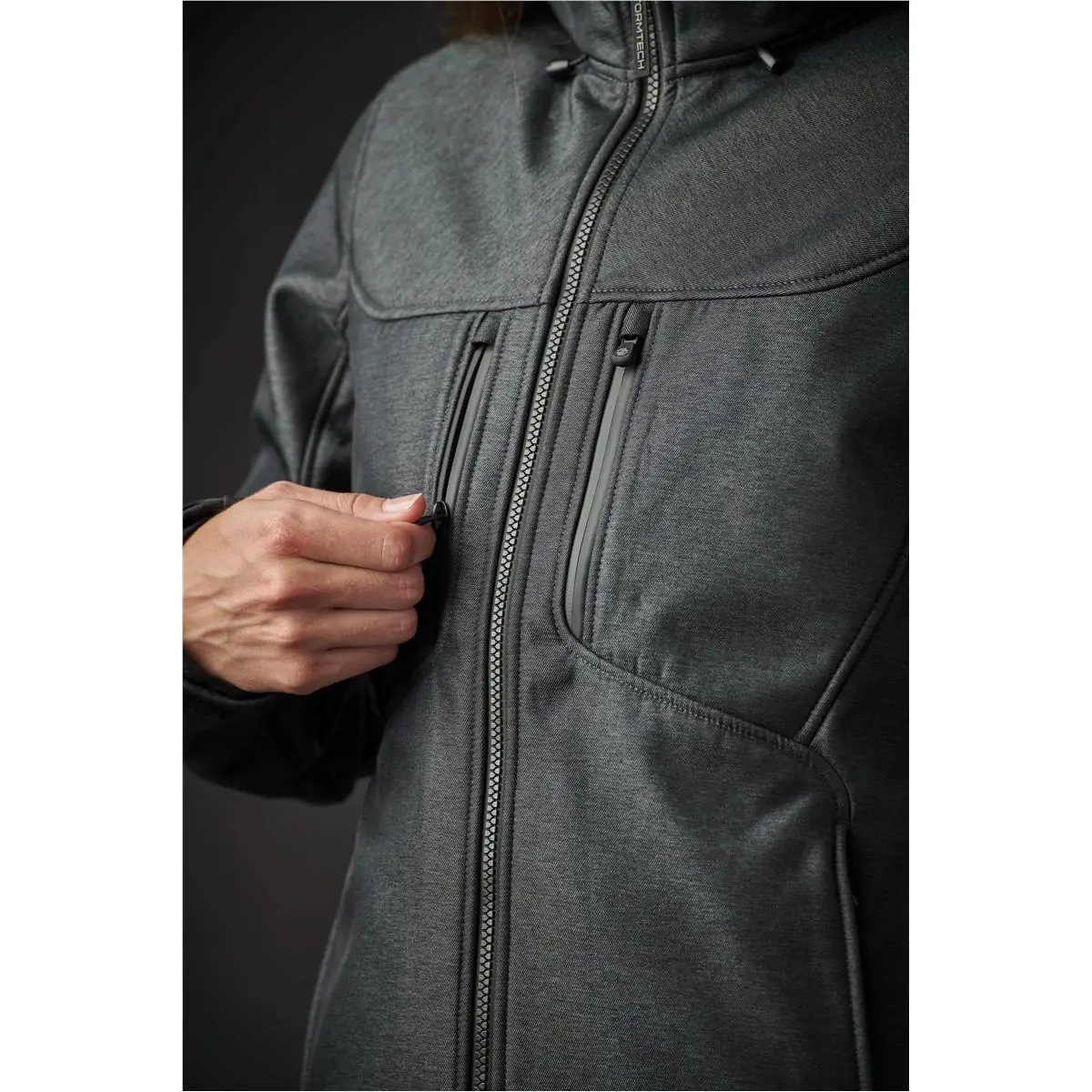
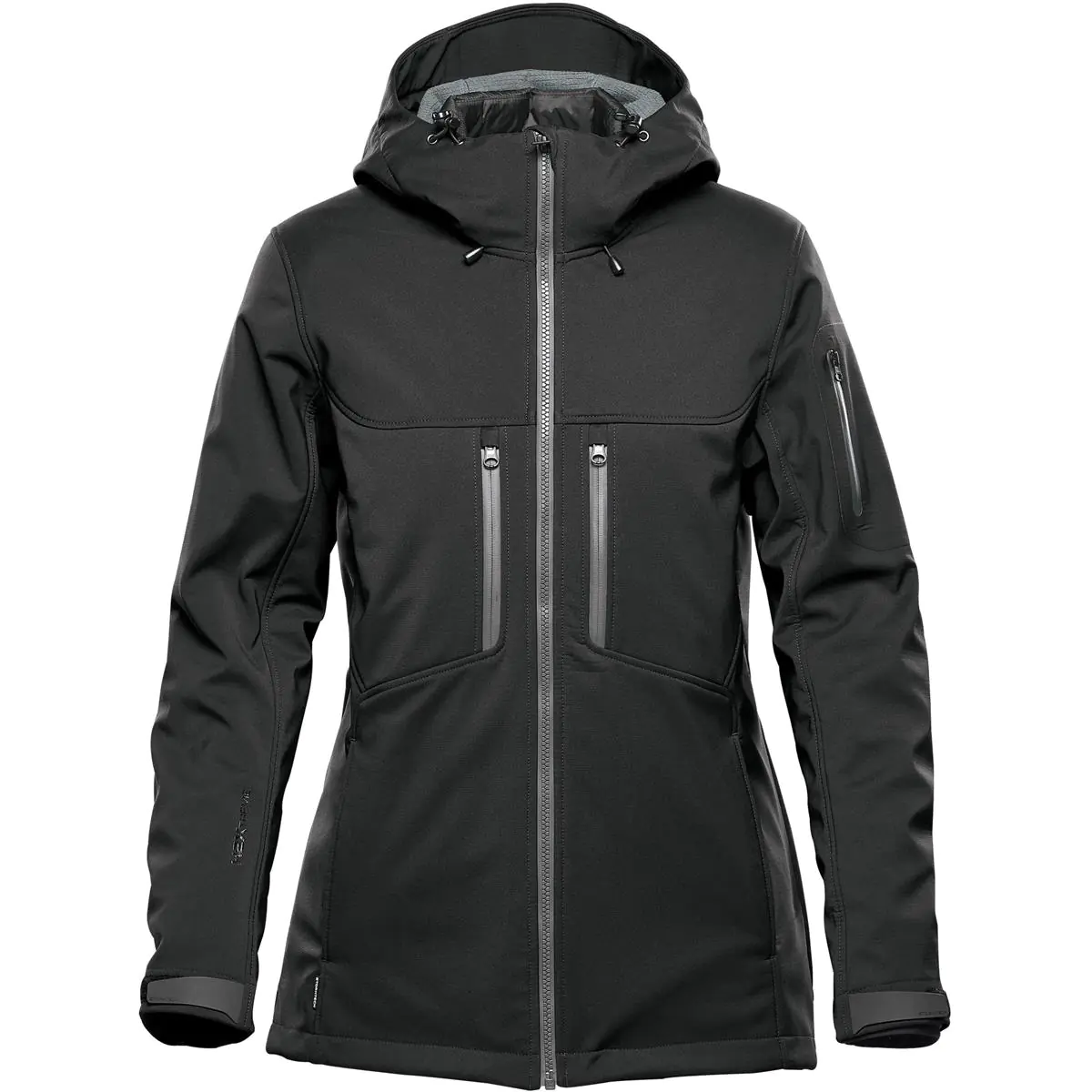
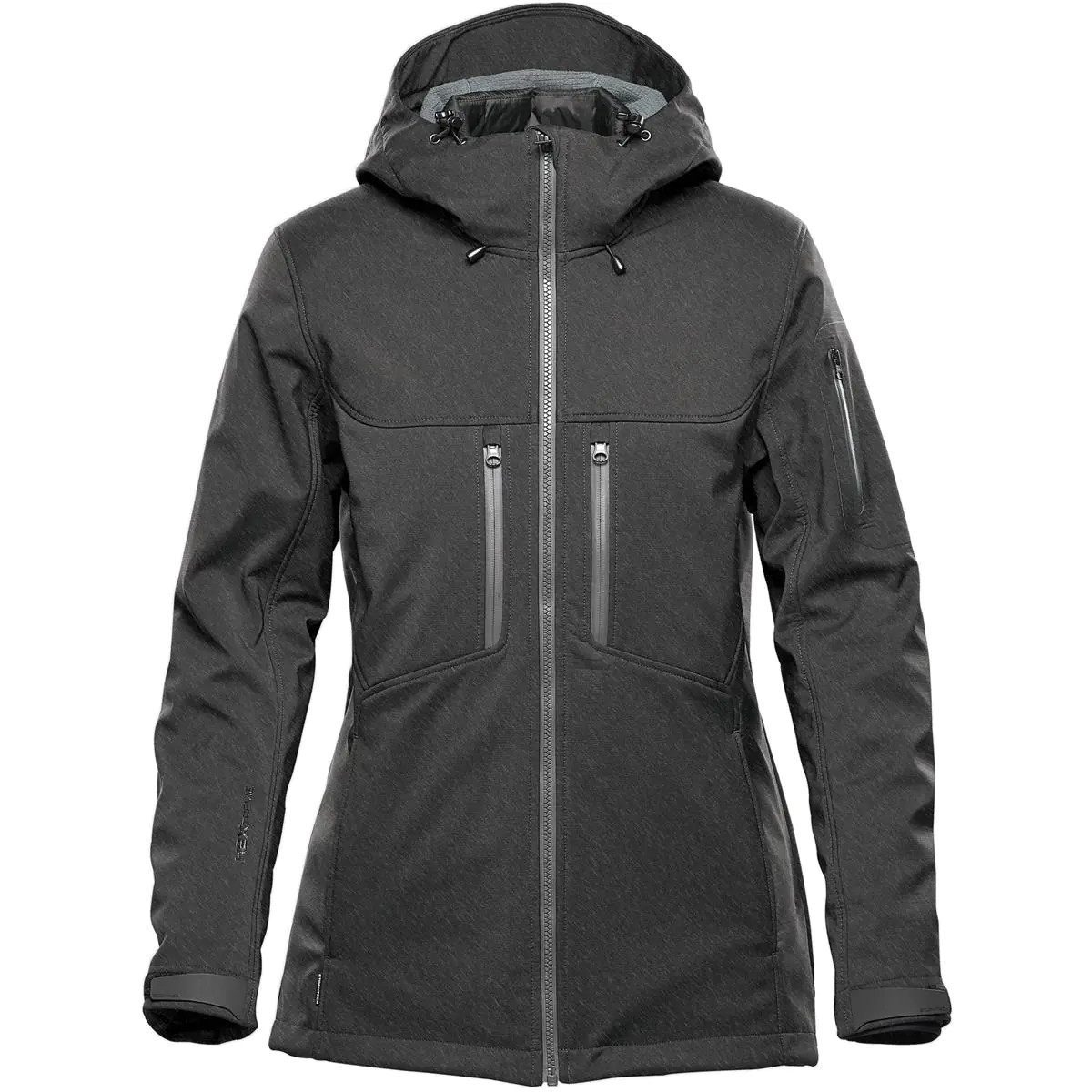
The Women's Epsilon System Jacket is the ultimate promotional product for outdoor-focused teams and corporate events. Built with STORMTECH H2XTREME® waterproof/breathable technology, a zip-out thermal liner, and YKK® AquaGuard® zippers, this three-in-one jacket adapts from extreme cold to variable conditions. Perfect for branded merchandise that your staff will actually wear, whether in the field or at work.

Building on the success of the Epsilon Softshell, we have created a new pinnacle of performance system jackets. With an updated stealth-looking silhouette, H2XTREME® waterproof/breathable outershell, waterproof Aquaguard zippers, and trendy zip-out puffer jacket liner, this new Epsilon edition is the latest development in the evolution of three-in-one jackets for outdoor recreation and variable work environments.

• STORMTECH H2XTREME® 8,000/5,000 Waterproof / Breathable Outer Shell
• Temperature Rating: Extreme Cold 0°C (32°F) to -20°C (-4°F)
• WATERPROOF LEVEL 2: Water Resistance 8,000mm (Charcoal Twill 5,000mm)
• Breathability 5,000g/m2
• PFC-Free Water Repellent Finish
• Mechanical Stretch
• Matrix Fleece Lining
• Zip-Out Thermal Shell Liner
• YKK® AquaGuard® Zipper
• Full Coverage, Insulated Hood with Face Shield
• Neck & Chin Guard
• Dual Chest Pockets
• Zippered Hand Warmer Pockets
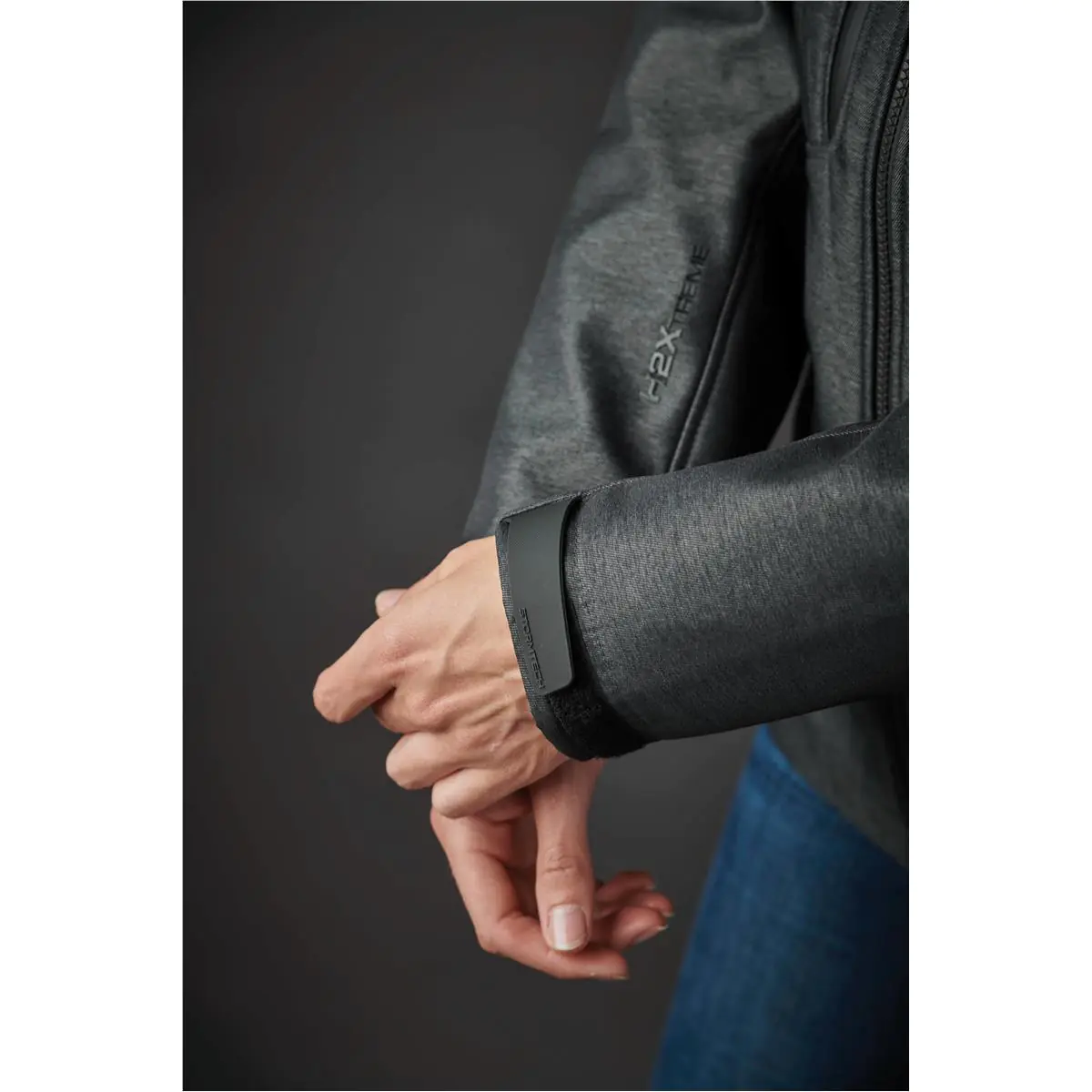
• Welded Adjustable Cuffs with Closure
• Articulated Fit
• Zippered Sleeve Pocket
• (Shell – Solid) 95% Nylon, 5% Spandex Ripstop Bonded with 100% Polyester Grid Microfleece, 9.0oz/yd2 (USA) / 305gsm (CDN)
• (Shell – Charcoal Twill) 100% Polyester Twill Bonded with Microfleece, 10.62oz/yd2 (USA) / 360gsm (CDN)
• (Liner) 100% Nylon, 1.18oz/yd2 (USA) / 40gsm (CDN)