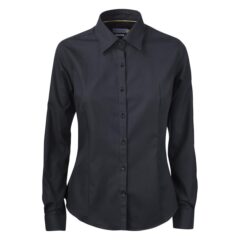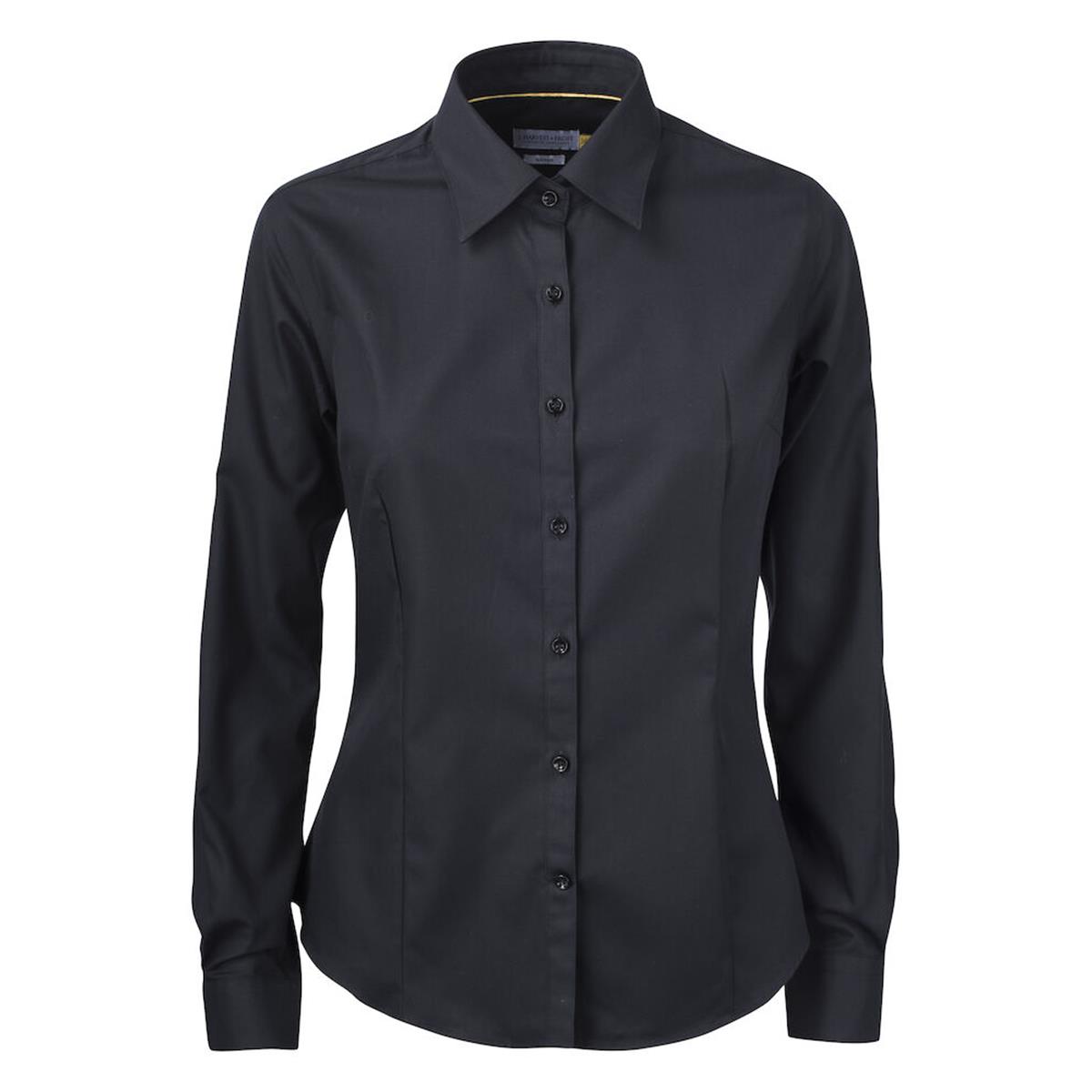
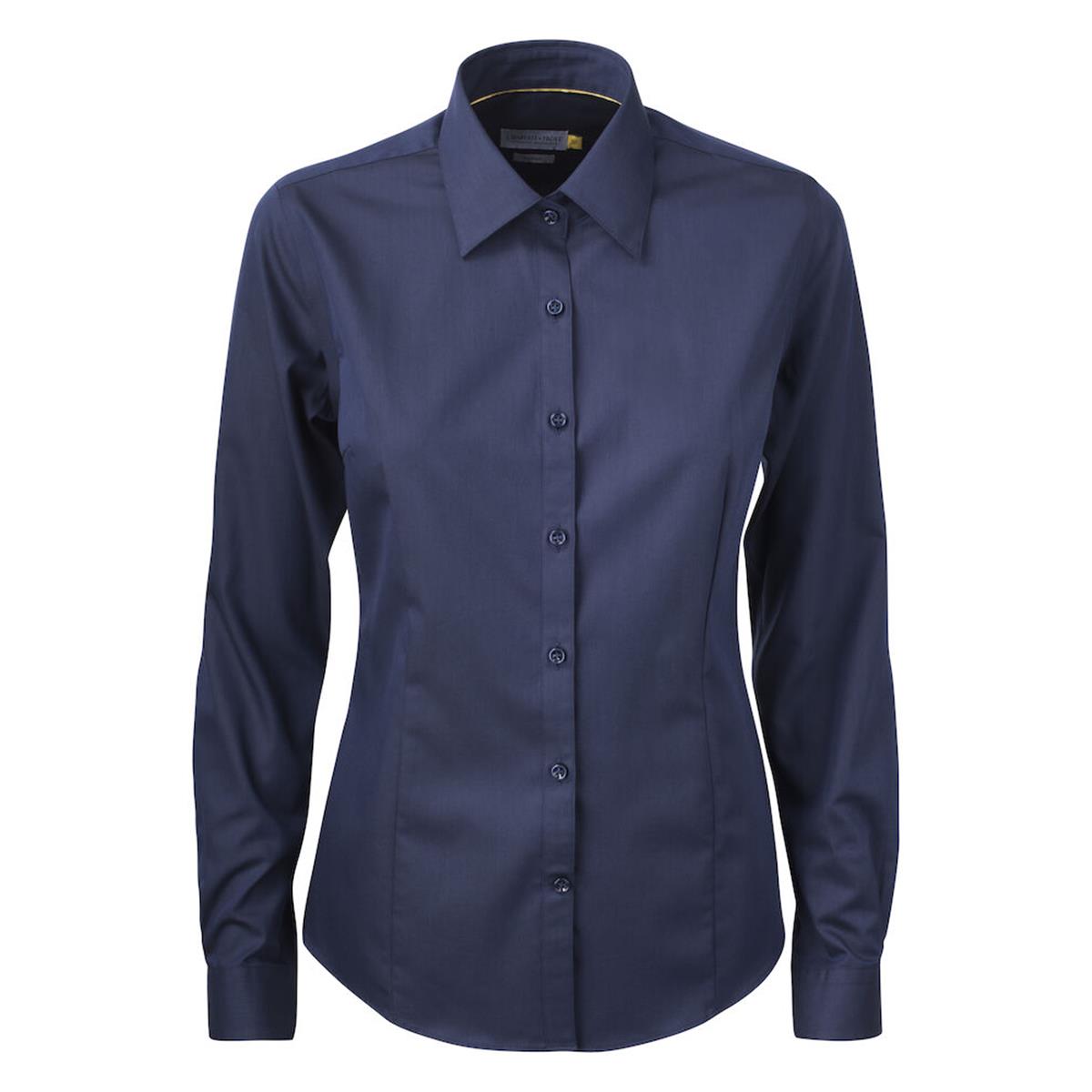
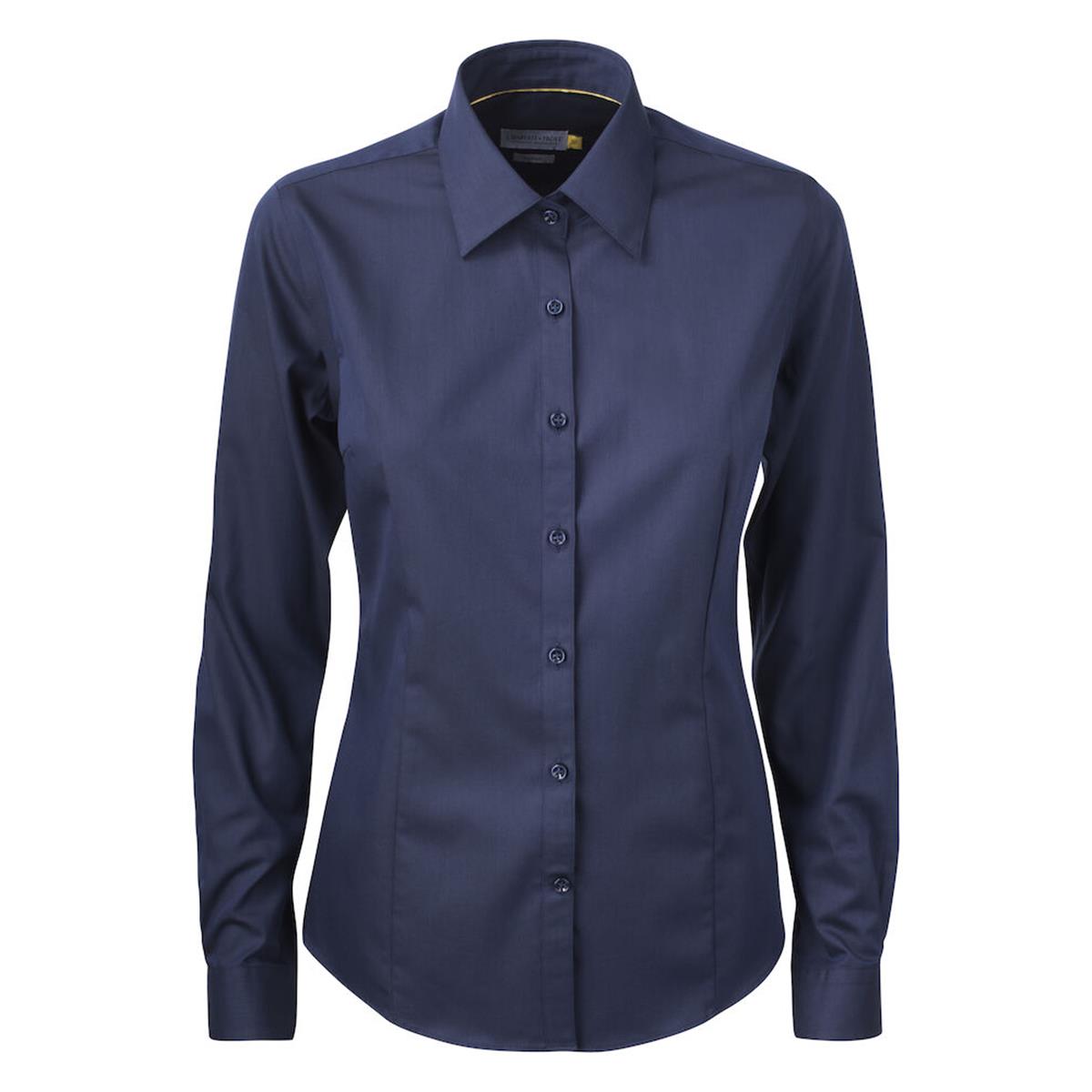
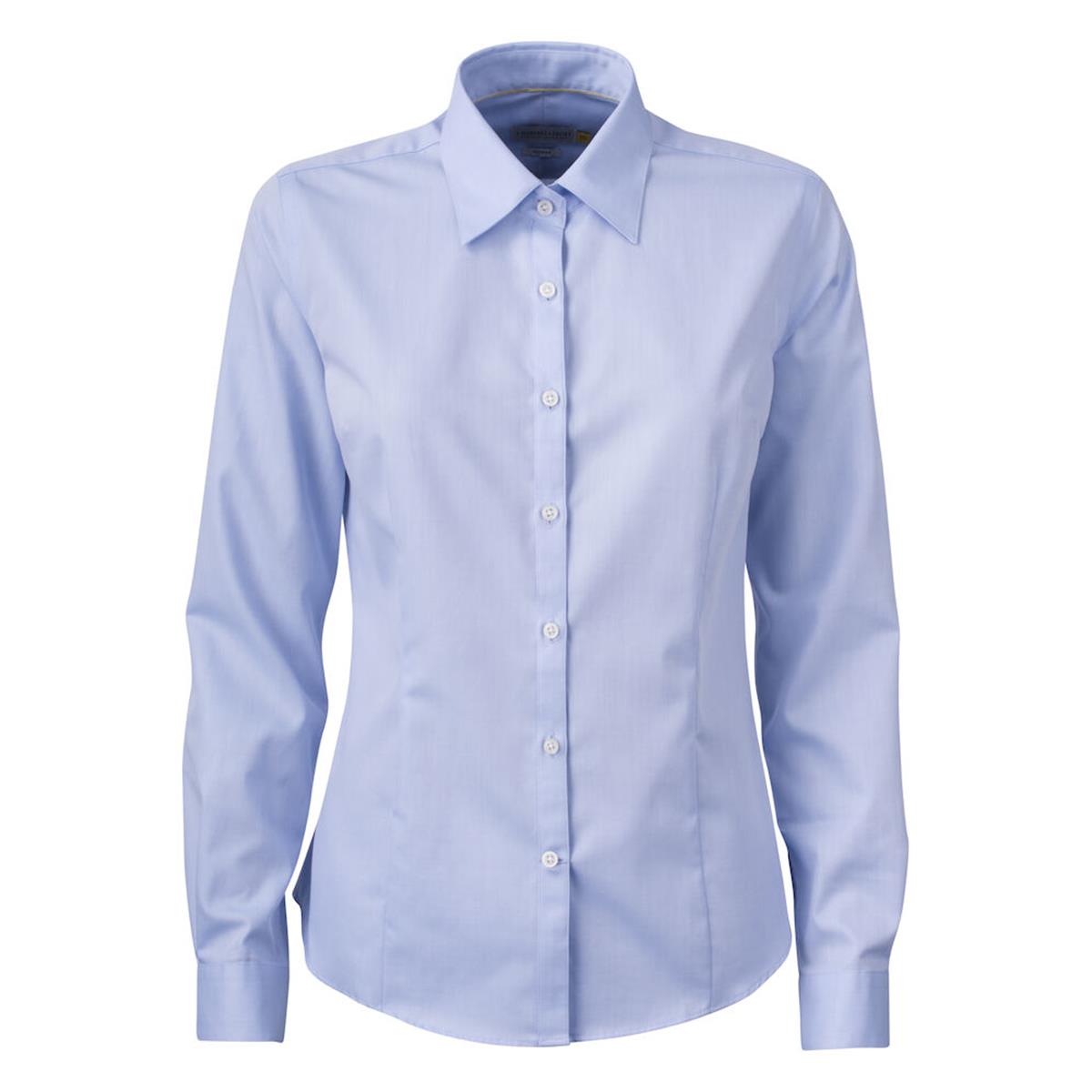
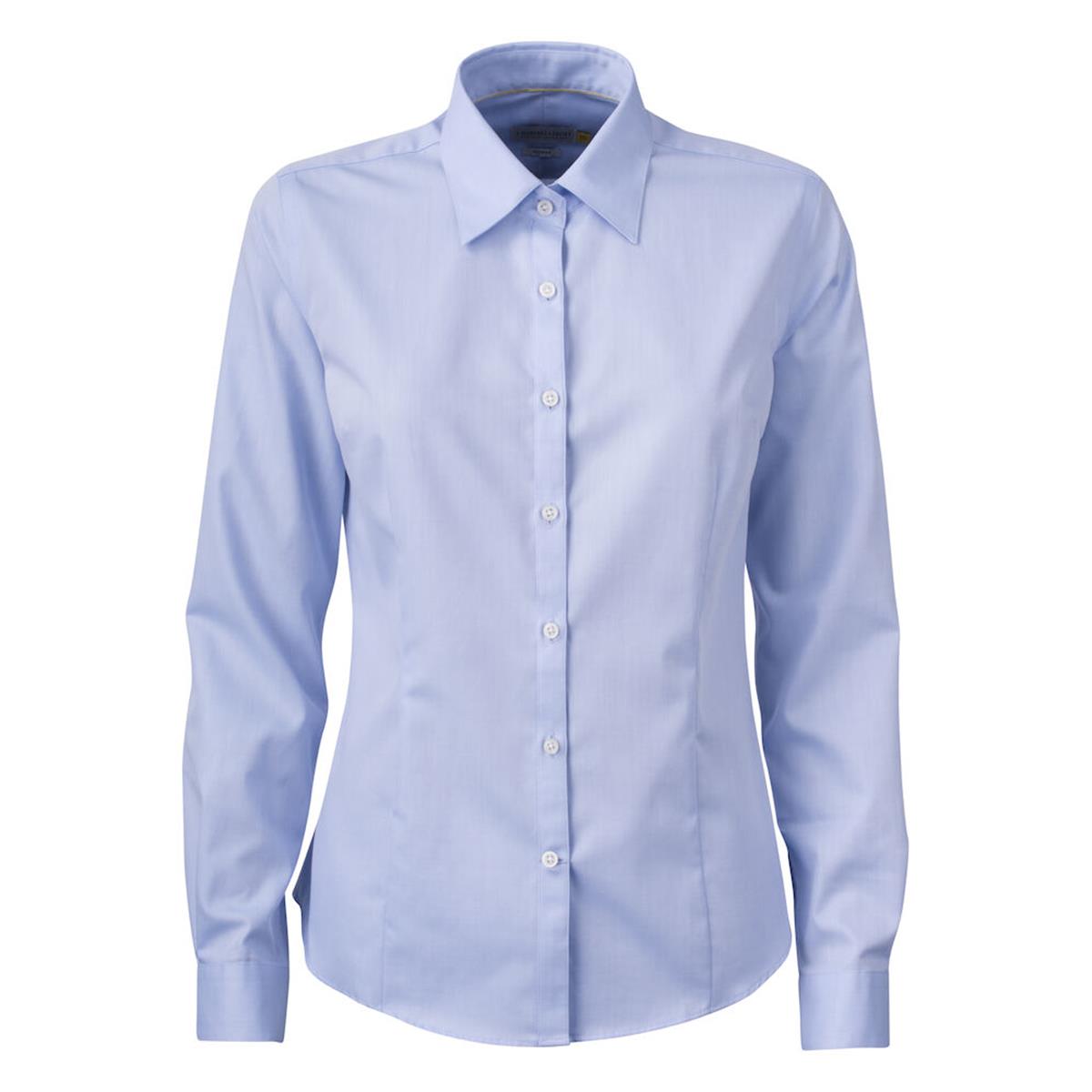
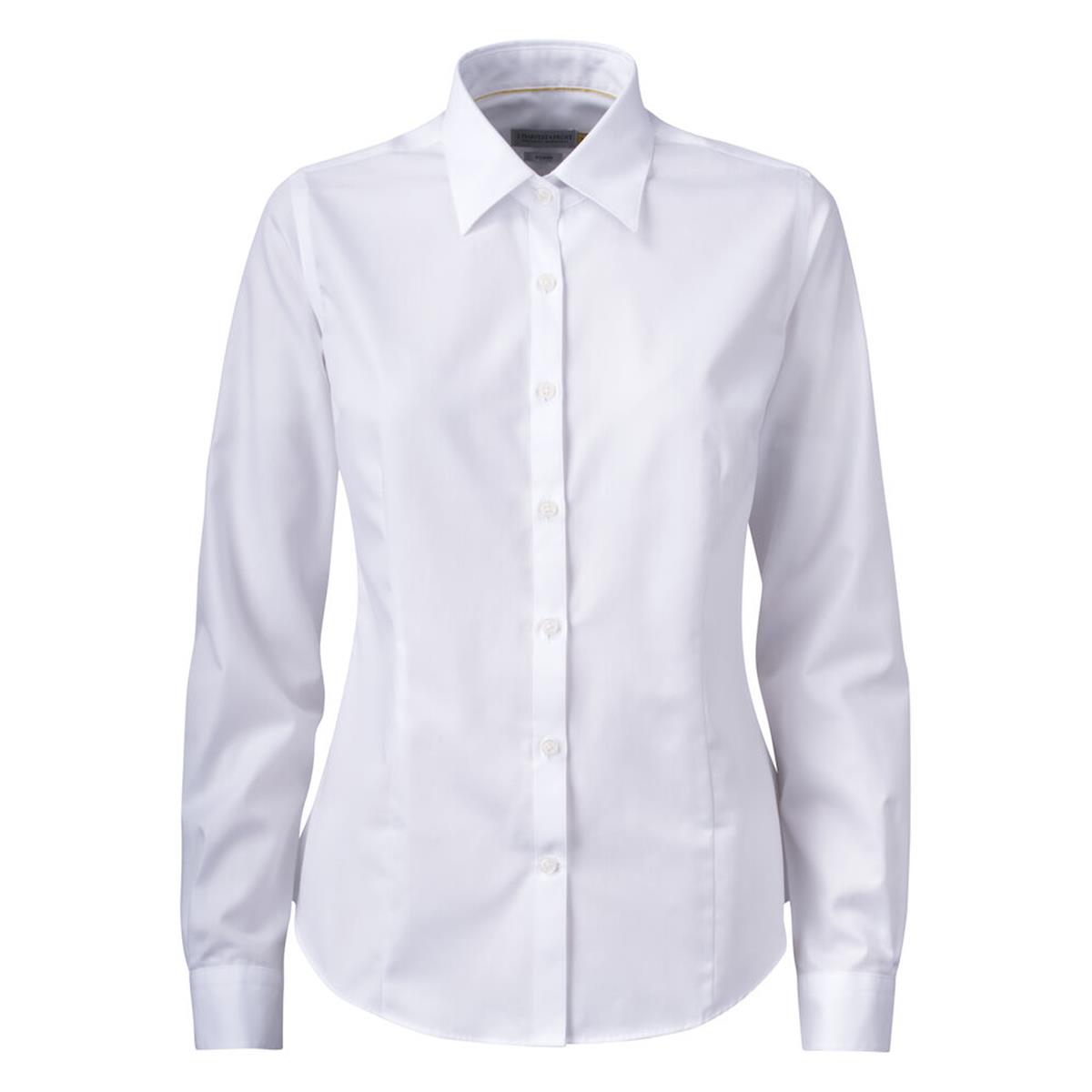
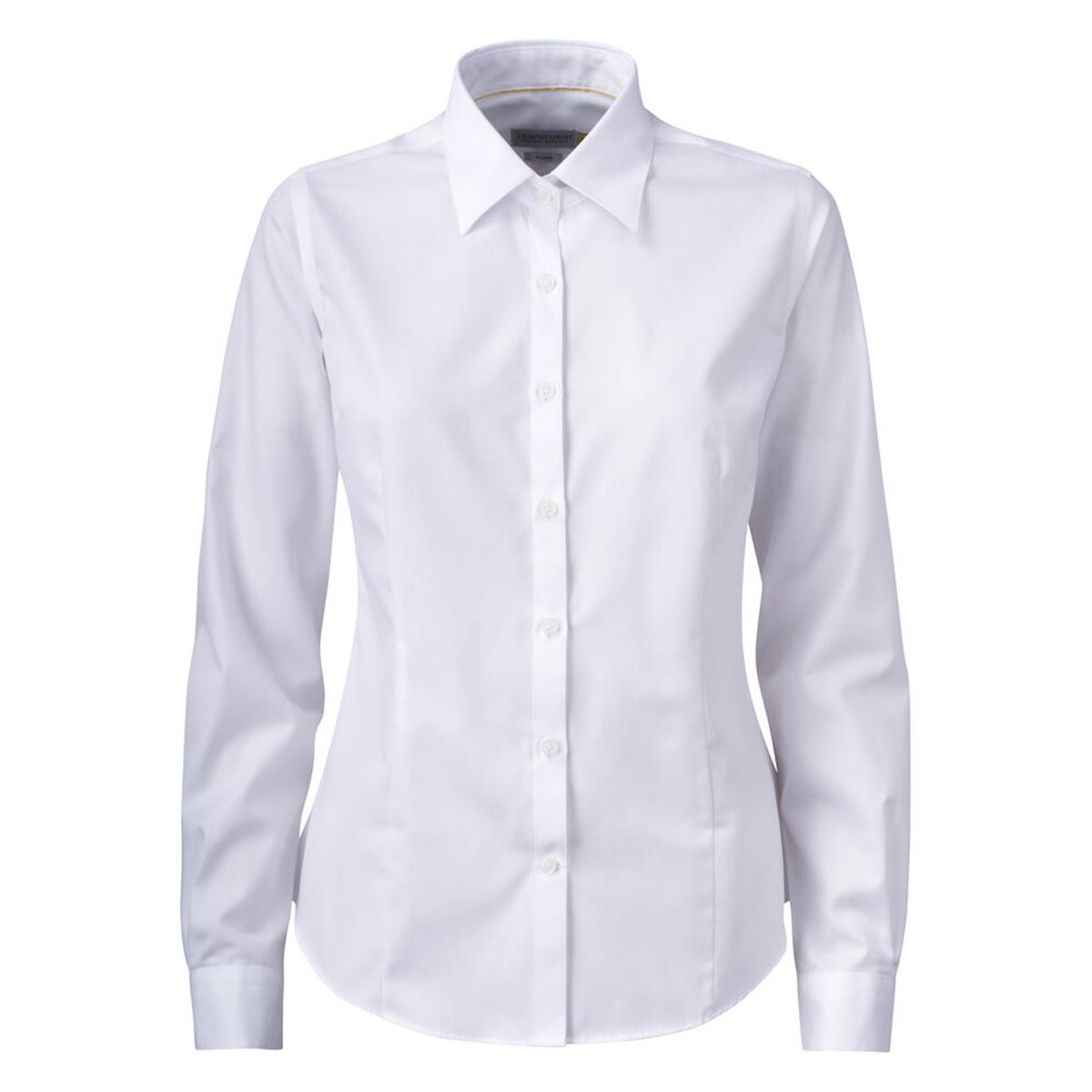
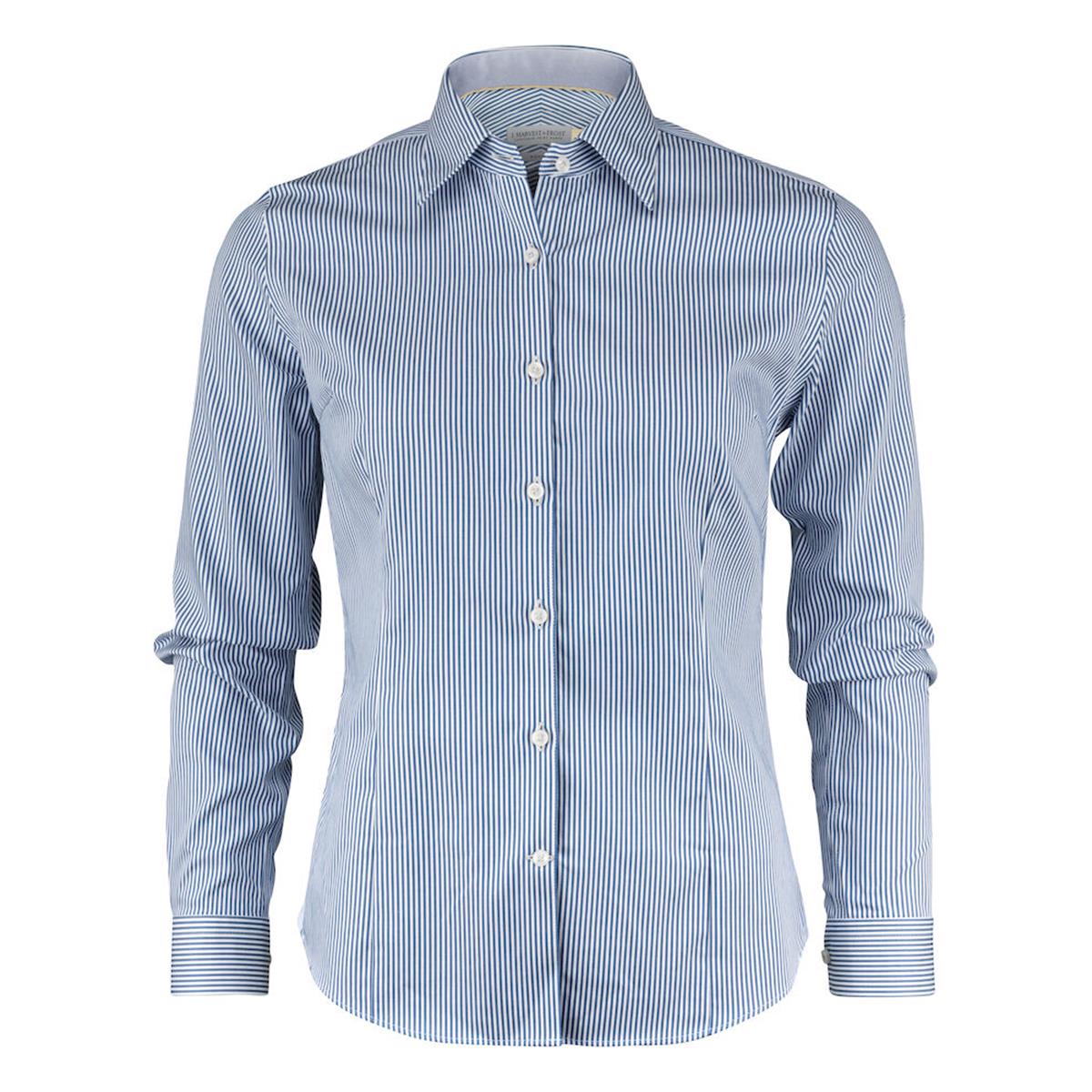
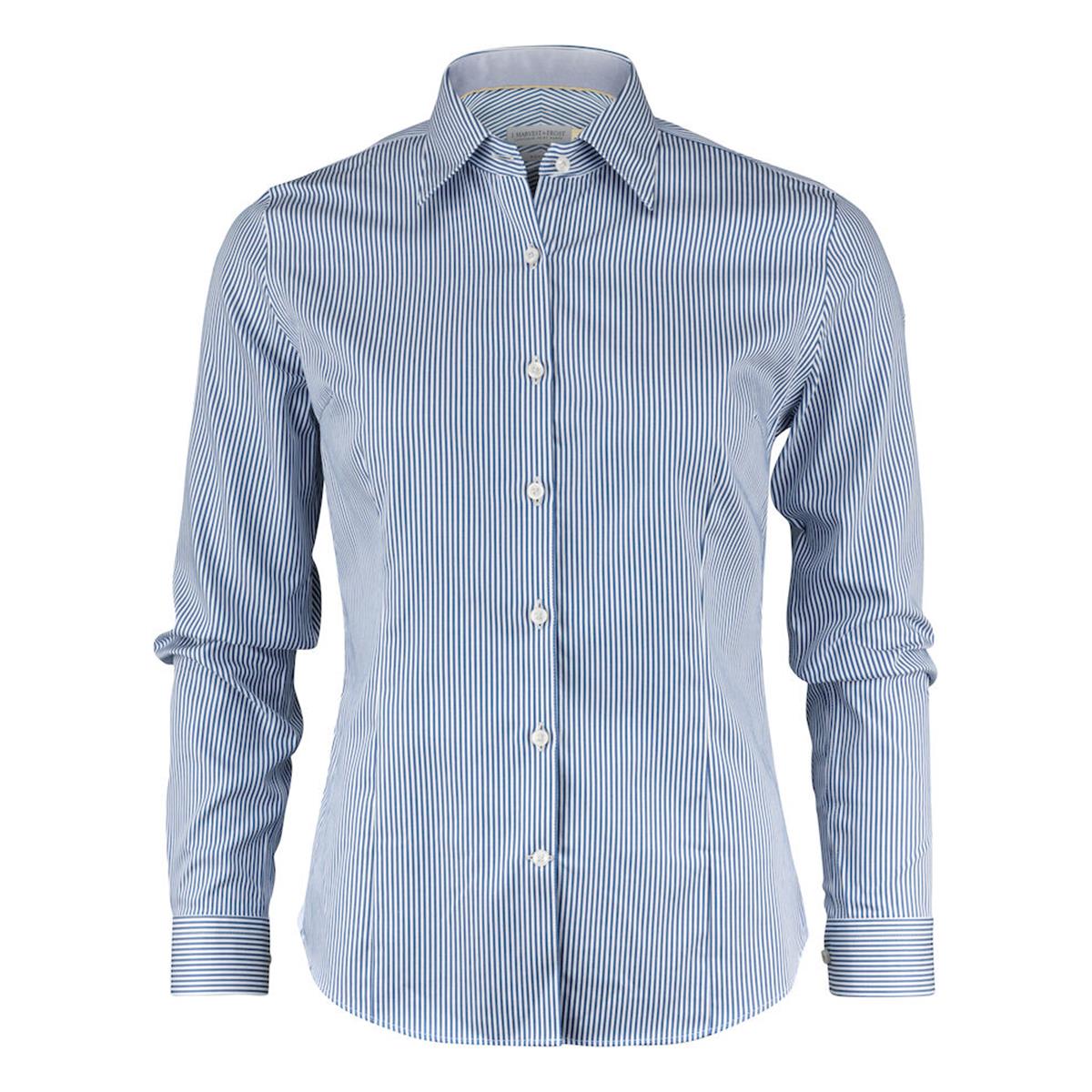
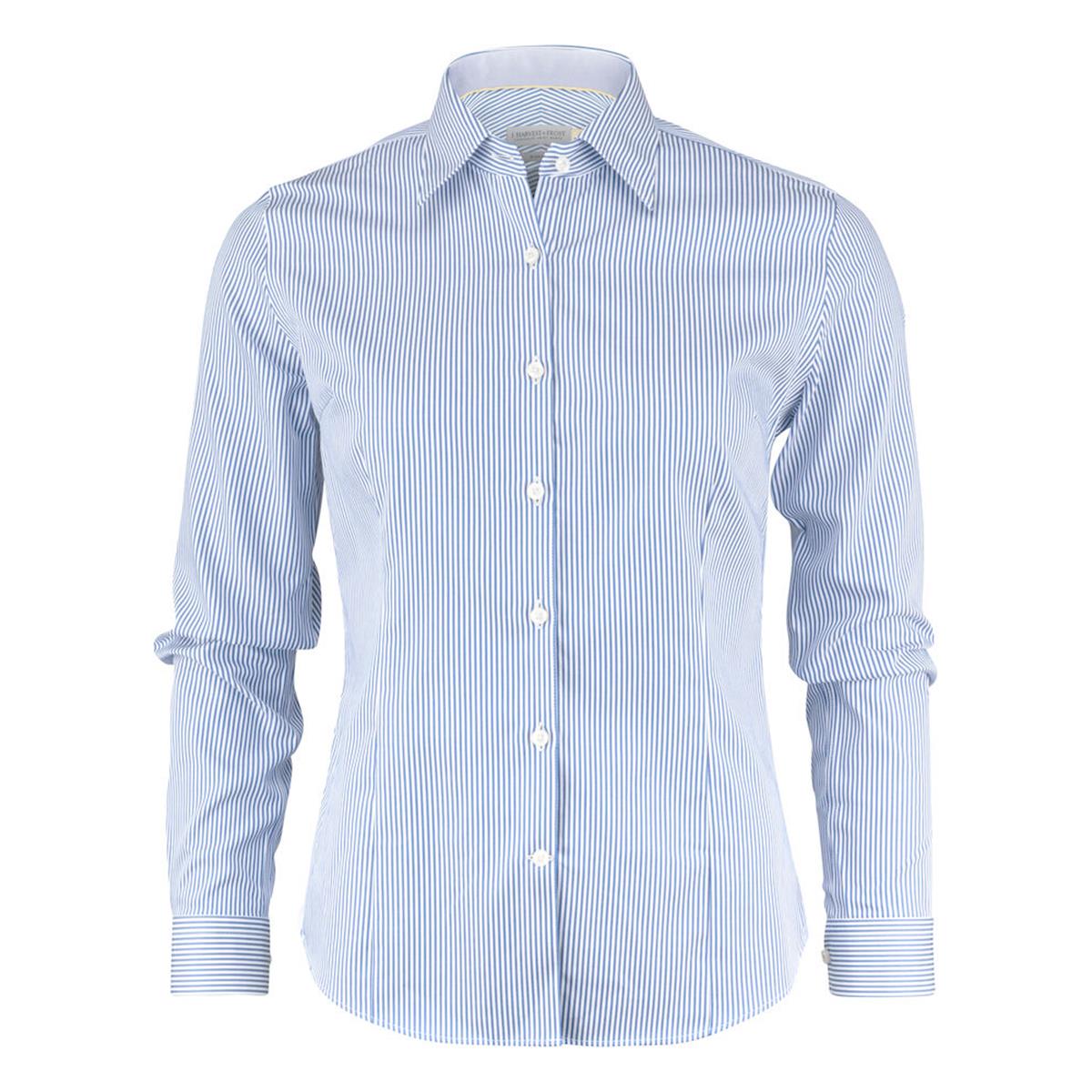
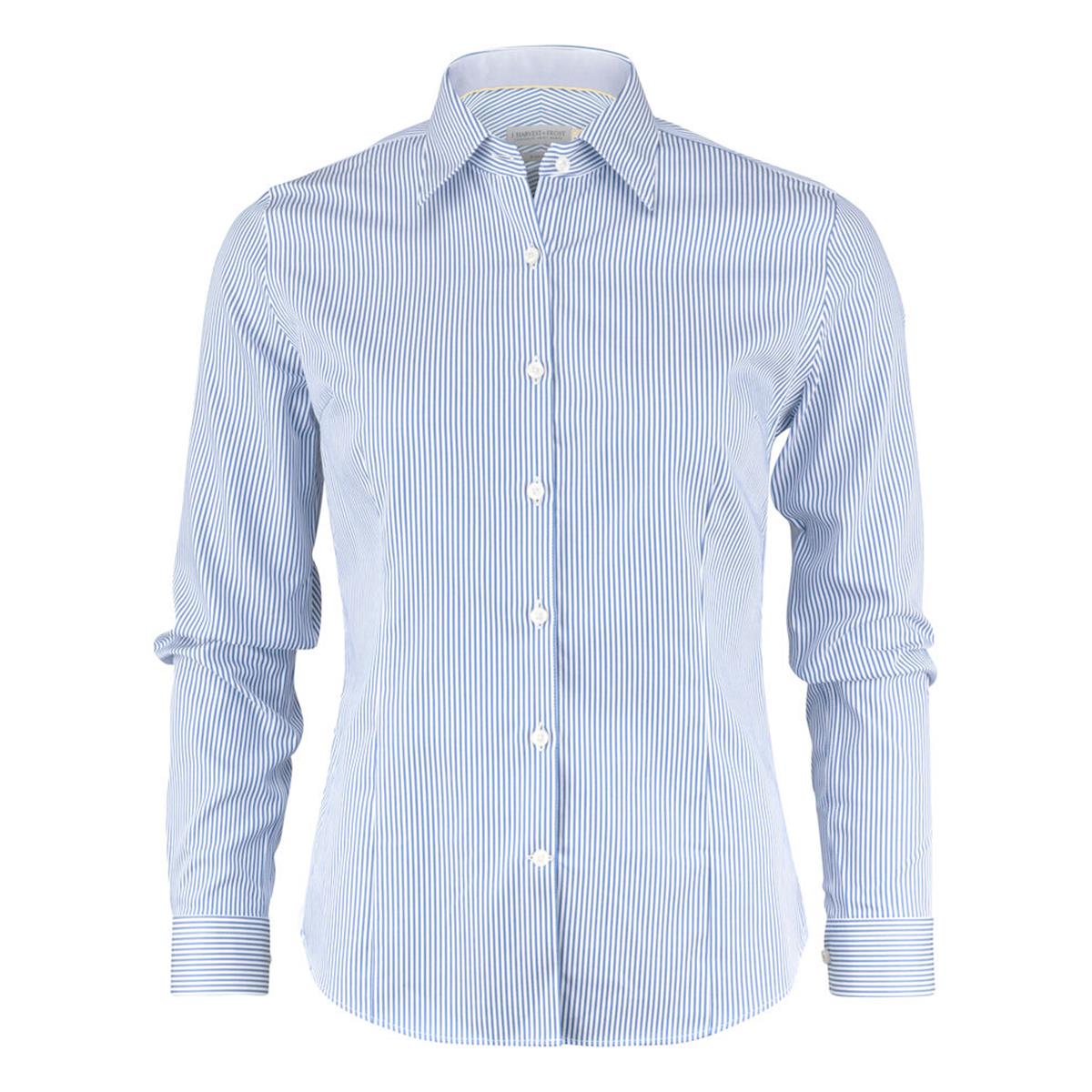
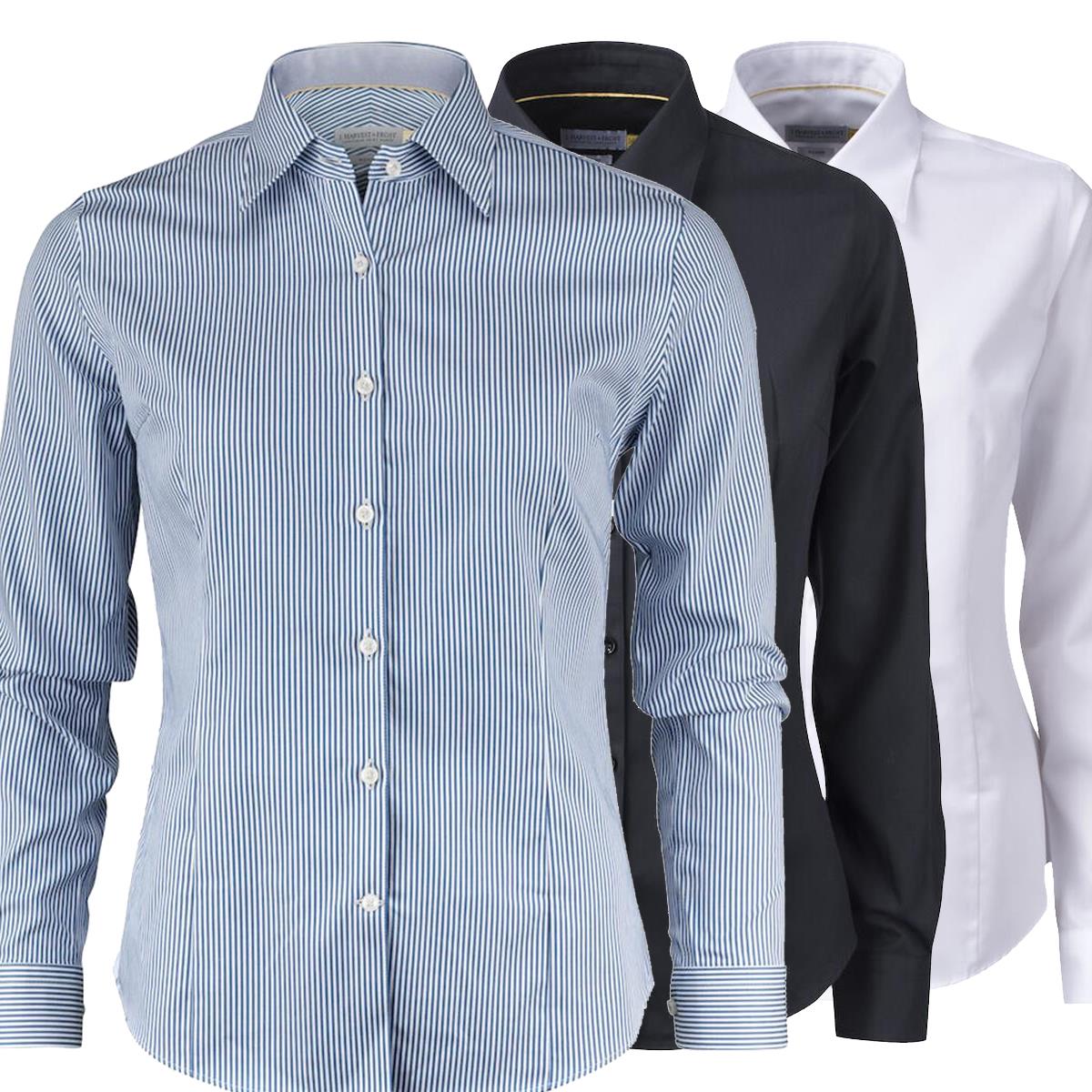
Yellow Bow 50 Women’s Shirt

from $63.54

Min Qty: 25

In Stock

SKU:
USL05J
ItemQtyNote
BL S BNE85
BL S MEL52
BL M BNE53
BL M MEL68
BL L BNE24
BL L MEL25
BL XL BNE8
BL XL MEL14
BL 2XL BNE31
BL 2XL MEL18
BL 3XL BNE2
BL 3XL MEL19
NA S BNE77
NA S MEL37
NA M BNE89
NA M MEL56
NA L BNE86
NA L MEL33
NA XL BNE66
NA XL MEL23
NA 2XL BNE74
NA 2XL MEL10
NA 3XL BNE64
NA 3XL MEL8
NAST S BNE72
NAST S MEL55
NAST M BNE67
NAST M MEL49
NAST L BNE28
NAST L MEL47
NAST XL BNE27
NAST XL MEL32
NAST 2XL BNE11
NAST 2XL MEL15
NAST 3XL BNE19
NAST 3XL MEL13
SK S BNE32
SK S MEL26
SK M BNE57
SK M MEL21
SK L BNE56
SK L MEL31
SK XL BNE34
SK XL MEL36
SK 2XL BNE22
SK 2XL MEL19
SK 3XL BNE23
SK 3XL MEL17
SKST S BNE65
SKST S MEL56
SKST M BNE64
SKST M MEL59
SKST L BNE39
SKST L MEL56
SKST XL BNE22
SKST XL MEL38
SKST 2XL BNE12
SKST 2XL MEL18
SKST 3XL BNE15
SKST 3XL MEL20
WH S BNE100+
WH S MEL38
WH M BNE100+
WH M MEL6
WH L BNE100+
WH L MEL23
WH XL BNE92
WH XL MEL4
WH 2XL BNE8
WH 2XL MEL6
WH 3XL BNE24
WH 3XL MEL14

Last updated: 19 hours ago

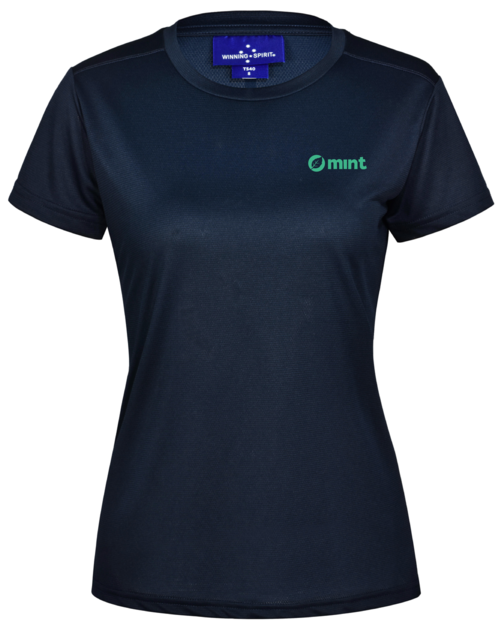
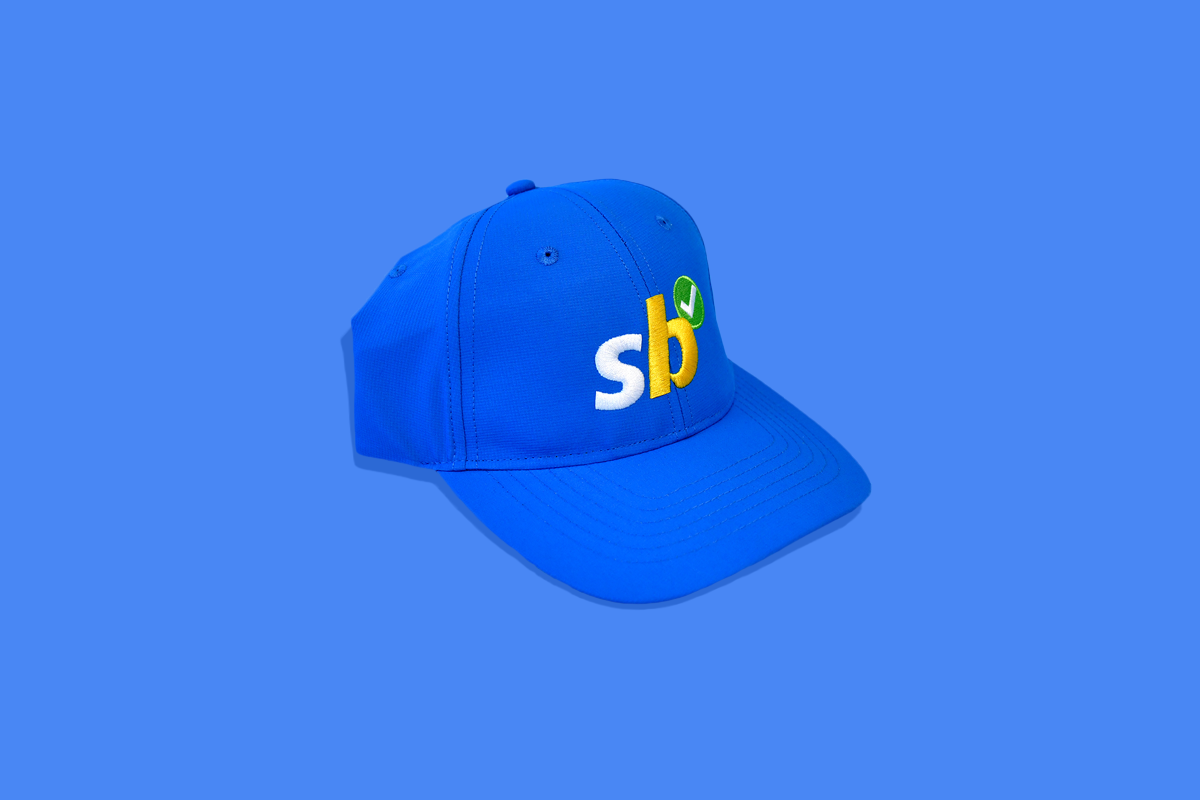
Decoration example for Small Embroidery Up To 5K Stitches
Embroidery is the decoration of fabric or other materials using a needle to apply thread or yarn. You will commonly see embroidery on polos, towels, hats, and beanies.
Decoration example for Small Embroidery Up To 5K Stitches

Embroidery is the decoration of fabric or other materials using a needle to apply thread or yarn. You will commonly see embroidery on polos, towels, hats, and beanies.

Advantages

  • Embroidery is a durable decoration method that washes well
  • Raised or textured decoration method
  • Only 1 setup charge for multiple colours

Disadvantages

  • Limited thread colours mean only approximate Pantone/PMS matches are possible
  • Really fine details are not possible to embroider
  • Embroidery requires a backing material on the back side of the embroidery which can be unsightly
Decoration example for Medium Embroidery Up To 10k Stitches
Embroidery is the decoration of fabric or other materials using a needle to apply thread or yarn. You will commonly see embroidery on polos, towels, hats, and beanies.
Decoration example for Medium Embroidery Up To 10k Stitches

Embroidery is the decoration of fabric or other materials using a needle to apply thread or yarn. You will commonly see embroidery on polos, towels, hats, and beanies.

Advantages

  • Embroidery is a durable decoration method that washes well
  • Raised or textured decoration method
  • Only 1 setup charge for multiple colours

Disadvantages

  • Limited thread colours mean only approximate Pantone/PMS matches are possible
  • Really fine details are not possible to embroider
  • Embroidery requires a backing material on the back side of the embroidery which can be unsightly
Decoration example for Large Embroidery Up To 15K Stitches 18cm Wide
Embroidery is the decoration of fabric or other materials using a needle to apply thread or yarn. You will commonly see embroidery on polos, towels, hats, and beanies.
Decoration example for Large Embroidery Up To 15K Stitches 18cm Wide

Embroidery is the decoration of fabric or other materials using a needle to apply thread or yarn. You will commonly see embroidery on polos, towels, hats, and beanies.

Advantages

  • Embroidery is a durable decoration method that washes well
  • Raised or textured decoration method
  • Only 1 setup charge for multiple colours

Disadvantages

  • Limited thread colours mean only approximate Pantone/PMS matches are possible
  • Really fine details are not possible to embroider
  • Embroidery requires a backing material on the back side of the embroidery which can be unsightly
Decoration example for Extra Large Embroidery 20k Embroidery Over 18cm
Embroidery is the decoration of fabric or other materials using a needle to apply thread or yarn. You will commonly see embroidery on polos, towels, hats, and beanies.
Decoration example for Extra Large Embroidery 20k Embroidery Over 18cm

Embroidery is the decoration of fabric or other materials using a needle to apply thread or yarn. You will commonly see embroidery on polos, towels, hats, and beanies.

Advantages

  • Embroidery is a durable decoration method that washes well
  • Raised or textured decoration method
  • Only 1 setup charge for multiple colours

Disadvantages

  • Limited thread colours mean only approximate Pantone/PMS matches are possible
  • Really fine details are not possible to embroider
  • Embroidery requires a backing material on the back side of the embroidery which can be unsightly
Decoration example for Small Embroidery Up To 5K Stitches (JS) [Hidden]
Embroidery is the decoration of fabric or other materials using a needle to apply thread or yarn. You will commonly see embroidery on polos, towels, hats, and beanies.
Decoration example for Small Embroidery Up To 5K Stitches (JS) [Hidden]

Embroidery is the decoration of fabric or other materials using a needle to apply thread or yarn. You will commonly see embroidery on polos, towels, hats, and beanies.

Advantages

  • Embroidery is a durable decoration method that washes well
  • Raised or textured decoration method
  • Only 1 setup charge for multiple colours

Disadvantages

  • Limited thread colours mean only approximate Pantone/PMS matches are possible
  • Really fine details are not possible to embroider
  • Embroidery requires a backing material on the back side of the embroidery which can be unsightly
Decoration example for Medium Embroidery Up To 10k Stitches (JS) [Hidden]
Embroidery is the decoration of fabric or other materials using a needle to apply thread or yarn. You will commonly see embroidery on polos, towels, hats, and beanies.
Decoration example for Medium Embroidery Up To 10k Stitches (JS) [Hidden]

Embroidery is the decoration of fabric or other materials using a needle to apply thread or yarn. You will commonly see embroidery on polos, towels, hats, and beanies.

Advantages

  • Embroidery is a durable decoration method that washes well
  • Raised or textured decoration method
  • Only 1 setup charge for multiple colours

Disadvantages

  • Limited thread colours mean only approximate Pantone/PMS matches are possible
  • Really fine details are not possible to embroider
  • Embroidery requires a backing material on the back side of the embroidery which can be unsightly
Decoration example for Large Embroidery Up To 15K Stitches 18cm Wide (JS) [Hidden]
Embroidery is the decoration of fabric or other materials using a needle to apply thread or yarn. You will commonly see embroidery on polos, towels, hats, and beanies.
Decoration example for Large Embroidery Up To 15K Stitches 18cm Wide (JS) [Hidden]

Embroidery is the decoration of fabric or other materials using a needle to apply thread or yarn. You will commonly see embroidery on polos, towels, hats, and beanies.

Advantages

  • Embroidery is a durable decoration method that washes well
  • Raised or textured decoration method
  • Only 1 setup charge for multiple colours

Disadvantages

  • Limited thread colours mean only approximate Pantone/PMS matches are possible
  • Really fine details are not possible to embroider
  • Embroidery requires a backing material on the back side of the embroidery which can be unsightly
Decoration example for Extra Large Embroidery 20k Embroidery Over 18cm (JS) [Hidden]
Embroidery is the decoration of fabric or other materials using a needle to apply thread or yarn. You will commonly see embroidery on polos, towels, hats, and beanies.
Decoration example for Extra Large Embroidery 20k Embroidery Over 18cm (JS) [Hidden]

Embroidery is the decoration of fabric or other materials using a needle to apply thread or yarn. You will commonly see embroidery on polos, towels, hats, and beanies.

Advantages

  • Embroidery is a durable decoration method that washes well
  • Raised or textured decoration method
  • Only 1 setup charge for multiple colours

Disadvantages

  • Limited thread colours mean only approximate Pantone/PMS matches are possible
  • Really fine details are not possible to embroider
  • Embroidery requires a backing material on the back side of the embroidery which can be unsightly
Decoration example for Small Full Colour Digital Transfer 12x12cm (DTF) [Hidden]
Direct Digital print is a full-colour decoration method that prints in CMYK directly onto the product.
Decoration example for Small Full Colour Digital Transfer 12x12cm (DTF) [Hidden]

Direct Digital print is a full-colour decoration method that prints in CMYK directly onto the product.

Advantages

  • This decoration method is ideal for full-colour designs, and complex images with gradients.
  • When printing multicoloured designs this decoration method can be more economical than pad or screenprint as you will only pay for one setup regardless of the number of colours
  • Digital printing often allows for variable data such as individual names

Disadvantages

  • Metallic and neon/fluorescent colours are not available.
  • At high quantities pad or screenprint can be more economical
Decoration example for Full Colour Digital Transfer 20x28cm (DTF) [Hidden]
Direct Digital print is a full-colour decoration method that prints in CMYK directly onto the product.
Decoration example for Full Colour Digital Transfer 20x28cm (DTF) [Hidden]

Direct Digital print is a full-colour decoration method that prints in CMYK directly onto the product.

Advantages

  • This decoration method is ideal for full-colour designs, and complex images with gradients.
  • When printing multicoloured designs this decoration method can be more economical than pad or screenprint as you will only pay for one setup regardless of the number of colours
  • Digital printing often allows for variable data such as individual names

Disadvantages

  • Metallic and neon/fluorescent colours are not available.
  • At high quantities pad or screenprint can be more economical
Decoration example for Full Colour Digital Transfer 28x35cm (DTF) [Hidden]
Direct Digital print is a full-colour decoration method that prints in CMYK directly onto the product.
Decoration example for Full Colour Digital Transfer 28x35cm (DTF) [Hidden]

Direct Digital print is a full-colour decoration method that prints in CMYK directly onto the product.

Advantages

  • This decoration method is ideal for full-colour designs, and complex images with gradients.
  • When printing multicoloured designs this decoration method can be more economical than pad or screenprint as you will only pay for one setup regardless of the number of colours
  • Digital printing often allows for variable data such as individual names

Disadvantages

  • Metallic and neon/fluorescent colours are not available.
  • At high quantities pad or screenprint can be more economical
Decoration example for Small Full Colour Digital Print 12x12cm Powerprint [Hidden]
Direct Digital print is a full-colour decoration method that prints in CMYK directly onto the product.
Decoration example for Small Full Colour Digital Print 12x12cm Powerprint [Hidden]

Direct Digital print is a full-colour decoration method that prints in CMYK directly onto the product.

Advantages

  • This decoration method is ideal for full-colour designs, and complex images with gradients.
  • When printing multicoloured designs this decoration method can be more economical than pad or screenprint as you will only pay for one setup regardless of the number of colours
  • Digital printing often allows for variable data such as individual names

Disadvantages

  • Metallic and neon/fluorescent colours are not available.
  • At high quantities pad or screenprint can be more economical
Decoration example for Medium Full Colour Digital Print 20x28cm Powerprint [Hidden]
Direct Digital print is a full-colour decoration method that prints in CMYK directly onto the product.
Decoration example for Medium Full Colour Digital Print 20x28cm Powerprint [Hidden]

Direct Digital print is a full-colour decoration method that prints in CMYK directly onto the product.

Advantages

  • This decoration method is ideal for full-colour designs, and complex images with gradients.
  • When printing multicoloured designs this decoration method can be more economical than pad or screenprint as you will only pay for one setup regardless of the number of colours
  • Digital printing often allows for variable data such as individual names

Disadvantages

  • Metallic and neon/fluorescent colours are not available.
  • At high quantities pad or screenprint can be more economical
Decoration example for Large Full Colour Digital Print 28x35cm Powerprint [Hidden]
Direct Digital print is a full-colour decoration method that prints in CMYK directly onto the product.
Decoration example for Large Full Colour Digital Print 28x35cm Powerprint [Hidden]

Direct Digital print is a full-colour decoration method that prints in CMYK directly onto the product.

Advantages

  • This decoration method is ideal for full-colour designs, and complex images with gradients.
  • When printing multicoloured designs this decoration method can be more economical than pad or screenprint as you will only pay for one setup regardless of the number of colours
  • Digital printing often allows for variable data such as individual names

Disadvantages

  • Metallic and neon/fluorescent colours are not available.
  • At high quantities pad or screenprint can be more economical
Decoration example for Small Full Colour Digital Transfer 10x10cm (SuperColour)
Direct Digital print is a full-colour decoration method that prints in CMYK directly onto the product.
Decoration example for Small Full Colour Digital Transfer 10x10cm (SuperColour)

Direct Digital print is a full-colour decoration method that prints in CMYK directly onto the product.

Advantages

  • This decoration method is ideal for full-colour designs, and complex images with gradients.
  • When printing multicoloured designs this decoration method can be more economical than pad or screenprint as you will only pay for one setup regardless of the number of colours
  • Digital printing often allows for variable data such as individual names

Disadvantages

  • Metallic and neon/fluorescent colours are not available.
  • At high quantities pad or screenprint can be more economical
Decoration example for A4 Full Colour Digital Transfer (SuperColour)
Direct Digital print is a full-colour decoration method that prints in CMYK directly onto the product.
Decoration example for A4 Full Colour Digital Transfer (SuperColour)

Direct Digital print is a full-colour decoration method that prints in CMYK directly onto the product.

Advantages

  • This decoration method is ideal for full-colour designs, and complex images with gradients.
  • When printing multicoloured designs this decoration method can be more economical than pad or screenprint as you will only pay for one setup regardless of the number of colours
  • Digital printing often allows for variable data such as individual names

Disadvantages

  • Metallic and neon/fluorescent colours are not available.
  • At high quantities pad or screenprint can be more economical
Decoration example for A3 Full Colour Digital Transfer (SuperColour)
Direct Digital print is a full-colour decoration method that prints in CMYK directly onto the product.
Decoration example for A3 Full Colour Digital Transfer (SuperColour)

Direct Digital print is a full-colour decoration method that prints in CMYK directly onto the product.

Advantages

  • This decoration method is ideal for full-colour designs, and complex images with gradients.
  • When printing multicoloured designs this decoration method can be more economical than pad or screenprint as you will only pay for one setup regardless of the number of colours
  • Digital printing often allows for variable data such as individual names

Disadvantages

  • Metallic and neon/fluorescent colours are not available.
  • At high quantities pad or screenprint can be more economical
Decoration example for 1 Colour ScreenPrint
Screen printing is the process of pressing ink through a fine mesh screen onto flat or fabric products. The screen is covered in a stencil that only allows ink through where the design requires.
Decoration example for 1 Colour ScreenPrint

Screen printing is the process of pressing ink through a fine mesh screen onto flat or fabric products. The screen is covered in a stencil that only allows ink through where the design requires.

Advantages

  • Large print areas are achievable on flat products.
  • An economical decoration method for larger print runs or designs with only a few colours
  • Close PMS matches are able to be achieved

Disadvantages

  • Full-colour designs and gradients are not possible
  • Each colour requires its own setup charge
  • Printing on darker coloured products may require a base print
Decoration example for 2 Colour ScreenPrint
Screen printing is the process of pressing ink through a fine mesh screen onto flat or fabric products. The screen is covered in a stencil that only allows ink through where the design requires.
Decoration example for 2 Colour ScreenPrint

Screen printing is the process of pressing ink through a fine mesh screen onto flat or fabric products. The screen is covered in a stencil that only allows ink through where the design requires.

Advantages

  • Large print areas are achievable on flat products.
  • An economical decoration method for larger print runs or designs with only a few colours
  • Close PMS matches are able to be achieved

Disadvantages

  • Full-colour designs and gradients are not possible
  • Each colour requires its own setup charge
  • Printing on darker coloured products may require a base print
Decoration example for 3 Colour ScreenPrint
Screen printing is the process of pressing ink through a fine mesh screen onto flat or fabric products. The screen is covered in a stencil that only allows ink through where the design requires.
Decoration example for 3 Colour ScreenPrint

Screen printing is the process of pressing ink through a fine mesh screen onto flat or fabric products. The screen is covered in a stencil that only allows ink through where the design requires.

Advantages

  • Large print areas are achievable on flat products.
  • An economical decoration method for larger print runs or designs with only a few colours
  • Close PMS matches are able to be achieved

Disadvantages

  • Full-colour designs and gradients are not possible
  • Each colour requires its own setup charge
  • Printing on darker coloured products may require a base print
Decoration example for 4 Colour ScreenPrint
Screen printing is the process of pressing ink through a fine mesh screen onto flat or fabric products. The screen is covered in a stencil that only allows ink through where the design requires.
Decoration example for 4 Colour ScreenPrint

Screen printing is the process of pressing ink through a fine mesh screen onto flat or fabric products. The screen is covered in a stencil that only allows ink through where the design requires.

Advantages

  • Large print areas are achievable on flat products.
  • An economical decoration method for larger print runs or designs with only a few colours
  • Close PMS matches are able to be achieved

Disadvantages

  • Full-colour designs and gradients are not possible
  • Each colour requires its own setup charge
  • Printing on darker coloured products may require a base print
Decoration example for 1 Colour ScreenPrint
Screen printing is the process of pressing ink through a fine mesh screen onto flat or fabric products. The screen is covered in a stencil that only allows ink through where the design requires.
Decoration example for 1 Colour ScreenPrint

Screen printing is the process of pressing ink through a fine mesh screen onto flat or fabric products. The screen is covered in a stencil that only allows ink through where the design requires.

Advantages

  • Large print areas are achievable on flat products.
  • An economical decoration method for larger print runs or designs with only a few colours
  • Close PMS matches are able to be achieved

Disadvantages

  • Full-colour designs and gradients are not possible
  • Each colour requires its own setup charge
  • Printing on darker coloured products may require a base print
Decoration example for 2 Colour ScreenPrint
Screen printing is the process of pressing ink through a fine mesh screen onto flat or fabric products. The screen is covered in a stencil that only allows ink through where the design requires.
Decoration example for 2 Colour ScreenPrint

Screen printing is the process of pressing ink through a fine mesh screen onto flat or fabric products. The screen is covered in a stencil that only allows ink through where the design requires.

Advantages

  • Large print areas are achievable on flat products.
  • An economical decoration method for larger print runs or designs with only a few colours
  • Close PMS matches are able to be achieved

Disadvantages

  • Full-colour designs and gradients are not possible
  • Each colour requires its own setup charge
  • Printing on darker coloured products may require a base print
Decoration example for 3 Colour ScreenPrint
Screen printing is the process of pressing ink through a fine mesh screen onto flat or fabric products. The screen is covered in a stencil that only allows ink through where the design requires.
Decoration example for 3 Colour ScreenPrint

Screen printing is the process of pressing ink through a fine mesh screen onto flat or fabric products. The screen is covered in a stencil that only allows ink through where the design requires.

Advantages

  • Large print areas are achievable on flat products.
  • An economical decoration method for larger print runs or designs with only a few colours
  • Close PMS matches are able to be achieved

Disadvantages

  • Full-colour designs and gradients are not possible
  • Each colour requires its own setup charge
  • Printing on darker coloured products may require a base print
If confirmed by 21st May
Delivery by ~4th Jun.
Need it sooner? with us.
2 Weeks
$TBD ex GST
$15 Shipping
to Metro NSW, VIC, QLD & SA

Minimum qty is 25

⏰ Get a quote now to lock in this pricing for 72 hours

99.4% jobs
delivered on-time

Free graphic
design

Quotes within
24 hours

Get an instant quote

Description

The Yellow Bow 50 Women's Shirt is an eco-conscious choice for branded merchandise, crafted from 60% organic cotton and 40% recycled polyester with an easy-care finish. Perfect for corporate uniforms or staff gifts, this high-performance shirt features taped seams, a split back yoke, and a semi cut-away collar that looks polished every time. Choose from solid and striped options to match your company colours.

Yellow Bow 50 is an eco-fabric, high-performance shirt that is made in our favourite fine blended twill with an added unique Easy Care treatment. As always with taped seams and split yoke.

• 60% Organic Cotton, 40% Recycled Polyester (White: 60% Cotton, 40% Recycled Polyester)
• Taped Main-seams (No wrinkles)
• Tall, 4mm-thick Buttons
• Curved Hem
• Semi Cut-away Collar
• Solid and Striped Colour Options
• Split Back Yoke
• Single Angle Cuff with Cufflink hole
• Raised Front Placket
• 134 G/M2

Click Here for Size Chart