Description
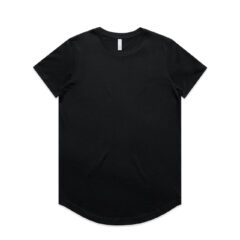
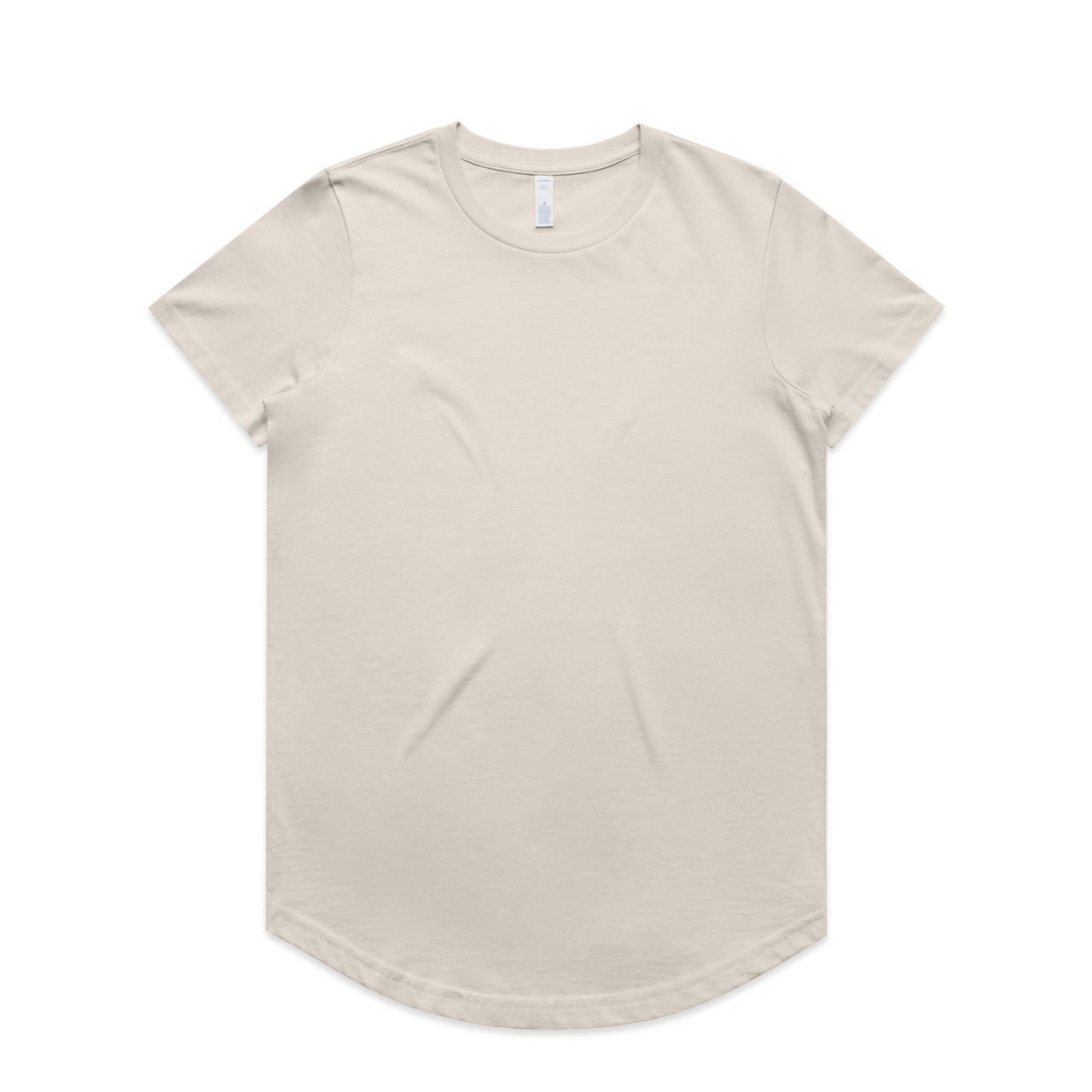
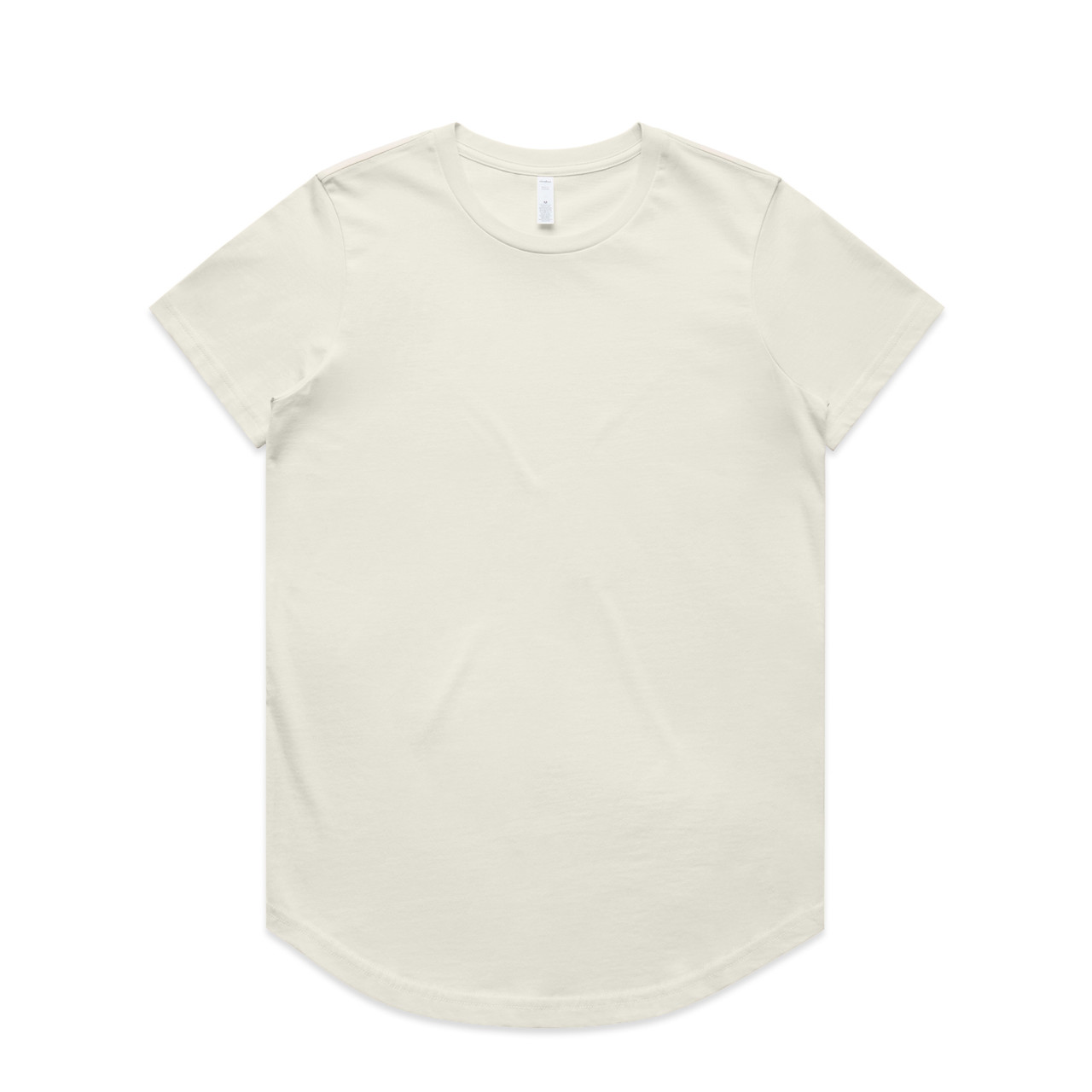
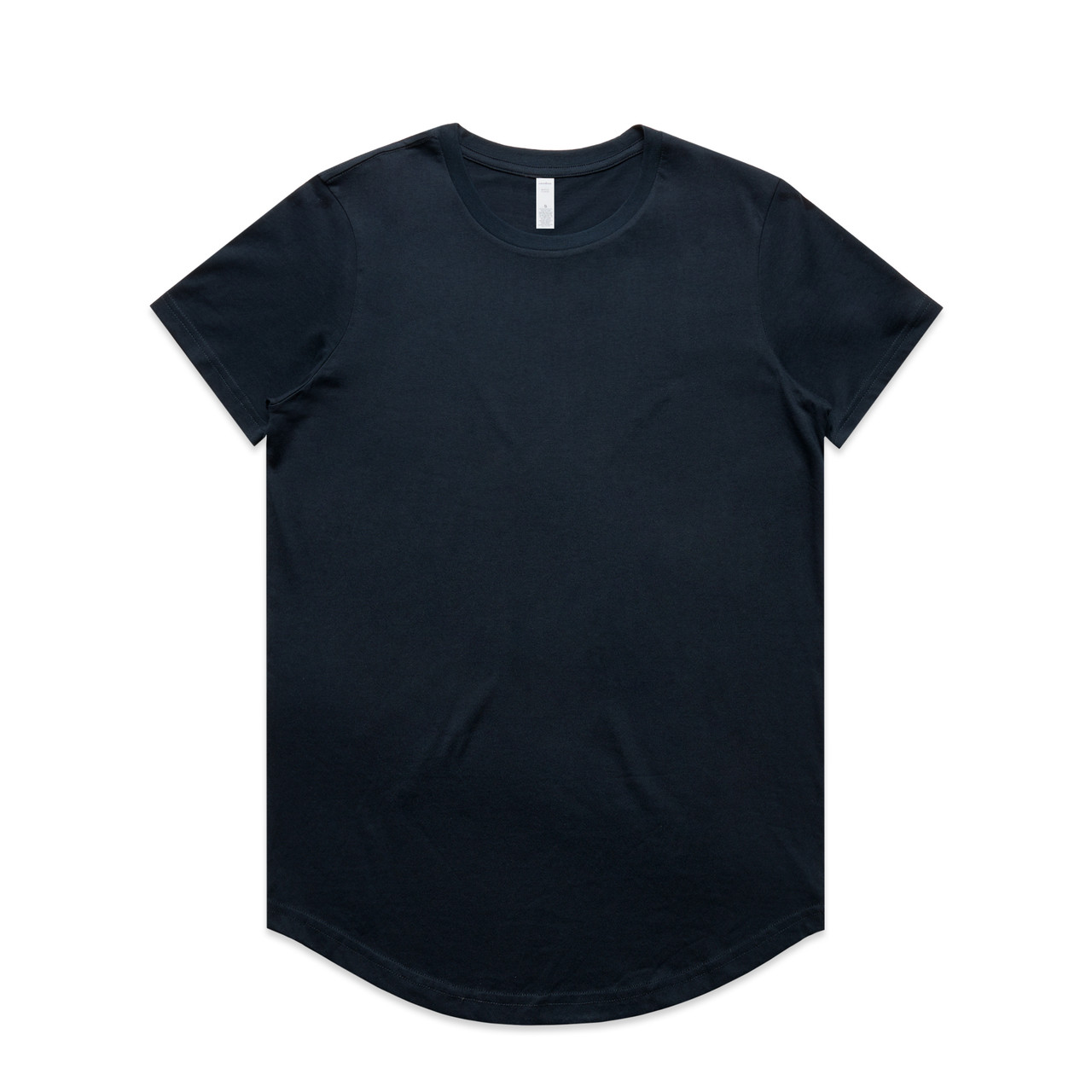
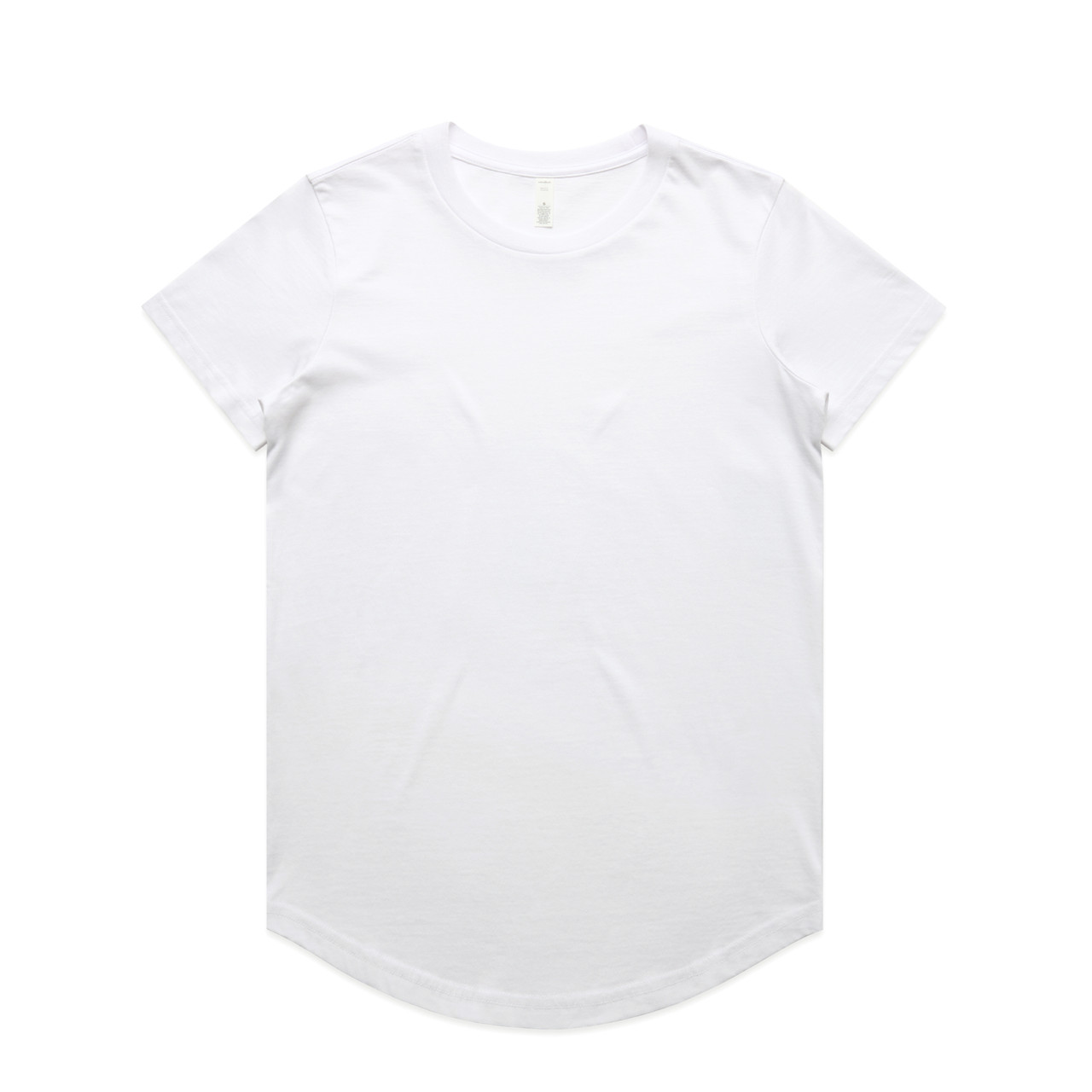
The Wo's Maple Curve Tee is the perfect promotional product for corporate giveaways and team uniforms. Made from premium 180 GSM combed cotton with thoughtful details like shoulder-to-shoulder tape and a curved hem, this women's tee delivers comfort and durability. Ideal for staff uniforms, client gifts, or branded merchandise at events and trade shows.
Enhance your wardrobe with our AS Colour Maple Curve Tee. Enjoy a regular fit with 180 GSM mid weight 100% combed cotton. Features include neck ribbing, side seams, shoulder-to-shoulder tape, double needle hems, and a curved hem for comfort and style.
See also: Browse all promotional clothing & apparel · Caps & Hats range
Additional information
| Colour | Bone, Ecru, Navy, White, Black |
|---|---|
| Decoration | Small Embroidery up to 5K stitches, Medium Embroidery up to 10k stitches, Large Embroidery up to 15K Stitches 18cm wide, Extra Large Embroidery 20k embroidery over 18cm, Small Full colour digital Transfer 10x10cm (SuperColour), A4 Full colour digital Transfer (SuperColour), A3 Full colour digital Transfer (SuperColour), 1 Colour ScreenPrint (light colours only), 2 Colour ScreenPrint (light colours only), 3 Colour ScreenPrint (light colours only), 4 Colour ScreenPrint (light colours only), 1 Colour ScreenPrint (dark colours only), 2 Colour ScreenPrint (dark colours only), 3 Colour ScreenPrint (dark colours only), 4 Colour ScreenPrint (dark colours only), None |
| Decoration 2 | None, Small Embroidery up to 5K stitches, Medium Embroidery up to 10k stitches, Large Embroidery up to 15K Stitches 18cm wide, Extra Large Embroidery 20k embroidery over 18cm, Small Full colour digital Transfer 10x10cm (SuperColour), A4 Full colour digital Transfer (SuperColour), A3 Full colour digital Transfer (SuperColour), 1 Colour ScreenPrint (light colours only), 2 Colour ScreenPrint (light colours only), 3 Colour ScreenPrint (light colours only), 4 Colour ScreenPrint (light colours only), 1 Colour ScreenPrint (dark colours only), 2 Colour ScreenPrint (dark colours only), 3 Colour ScreenPrint (dark colours only), 4 Colour ScreenPrint (dark colours only) |
| Decoration 3 | None, Small Embroidery up to 5K stitches, Medium Embroidery up to 10k stitches, Small Full colour digital Transfer 10x10cm (SuperColour), 1 Colour ScreenPrint (light colours only), 2 Colour ScreenPrint (light colours only), 3 Colour ScreenPrint (light colours only), 4 Colour ScreenPrint (light colours only), 1 Colour ScreenPrint (dark colours only), 2 Colour ScreenPrint (dark colours only), 3 Colour ScreenPrint (dark colours only), 4 Colour ScreenPrint (dark colours only) |
| Optional | None, Poly Bagging, Embroidered names up to 2k stitches, Names up to 12cm wide Powerprint, Screen printed Neck label |
| Material | Cotton |
| Production Time | 2-3 Weeks Production Time |
Our guarantee
All of our products are fully guaranteed to work, look and feel as designed.
Our most highly regarded company value at Good Things is integrity. We do what we say we are going to do in a timely fashion. We get "Back in a Flash" to all our clients for quotes, artwork and samples.
It is essential in our industry - from meeting delivery deadlines, through to having a product match a sample when delivered to each minute detail.
When dealing with us you can expect to get exactly what you ordered: as agreed, and on time. That is the Good Things Guarantee.
Product reviews
Wo’s Maple Curve Tee | 4024

99.4% jobs
delivered on-time

Free graphic
design

Quotes within
24 hours


Get an instant quote
Description
The Wo's Maple Curve Tee is the perfect promotional product for corporate giveaways and team uniforms. Made from premium 180 GSM combed cotton with thoughtful details like shoulder-to-shoulder tape and a curved hem, this women's tee delivers comfort and durability. Ideal for staff uniforms, client gifts, or branded merchandise at events and trade shows.
Enhance your wardrobe with our AS Colour Maple Curve Tee. Enjoy a regular fit with 180 GSM mid weight 100% combed cotton. Features include neck ribbing, side seams, shoulder-to-shoulder tape, double needle hems, and a curved hem for comfort and style.
See also: Browse all promotional clothing & apparel · Caps & Hats range
Additional information
| Colour | Bone, Ecru, Navy, White, Black |
|---|---|
| Decoration | Small Embroidery up to 5K stitches, Medium Embroidery up to 10k stitches, Large Embroidery up to 15K Stitches 18cm wide, Extra Large Embroidery 20k embroidery over 18cm, Small Full colour digital Transfer 10x10cm (SuperColour), A4 Full colour digital Transfer (SuperColour), A3 Full colour digital Transfer (SuperColour), 1 Colour ScreenPrint (light colours only), 2 Colour ScreenPrint (light colours only), 3 Colour ScreenPrint (light colours only), 4 Colour ScreenPrint (light colours only), 1 Colour ScreenPrint (dark colours only), 2 Colour ScreenPrint (dark colours only), 3 Colour ScreenPrint (dark colours only), 4 Colour ScreenPrint (dark colours only), None |
| Decoration 2 | None, Small Embroidery up to 5K stitches, Medium Embroidery up to 10k stitches, Large Embroidery up to 15K Stitches 18cm wide, Extra Large Embroidery 20k embroidery over 18cm, Small Full colour digital Transfer 10x10cm (SuperColour), A4 Full colour digital Transfer (SuperColour), A3 Full colour digital Transfer (SuperColour), 1 Colour ScreenPrint (light colours only), 2 Colour ScreenPrint (light colours only), 3 Colour ScreenPrint (light colours only), 4 Colour ScreenPrint (light colours only), 1 Colour ScreenPrint (dark colours only), 2 Colour ScreenPrint (dark colours only), 3 Colour ScreenPrint (dark colours only), 4 Colour ScreenPrint (dark colours only) |
| Decoration 3 | None, Small Embroidery up to 5K stitches, Medium Embroidery up to 10k stitches, Small Full colour digital Transfer 10x10cm (SuperColour), 1 Colour ScreenPrint (light colours only), 2 Colour ScreenPrint (light colours only), 3 Colour ScreenPrint (light colours only), 4 Colour ScreenPrint (light colours only), 1 Colour ScreenPrint (dark colours only), 2 Colour ScreenPrint (dark colours only), 3 Colour ScreenPrint (dark colours only), 4 Colour ScreenPrint (dark colours only) |
| Optional | None, Poly Bagging, Embroidered names up to 2k stitches, Names up to 12cm wide Powerprint, Screen printed Neck label |
| Material | Cotton |
| Production Time | 2-3 Weeks Production Time |
Our guarantee
All of our products are fully guaranteed to work, look and feel as designed.
Our most highly regarded company value at Good Things is integrity. We do what we say we are going to do in a timely fashion. We get "Back in a Flash" to all our clients for quotes, artwork and samples.
It is essential in our industry - from meeting delivery deadlines, through to having a product match a sample when delivered to each minute detail.
When dealing with us you can expect to get exactly what you ordered: as agreed, and on time. That is the Good Things Guarantee.