Description
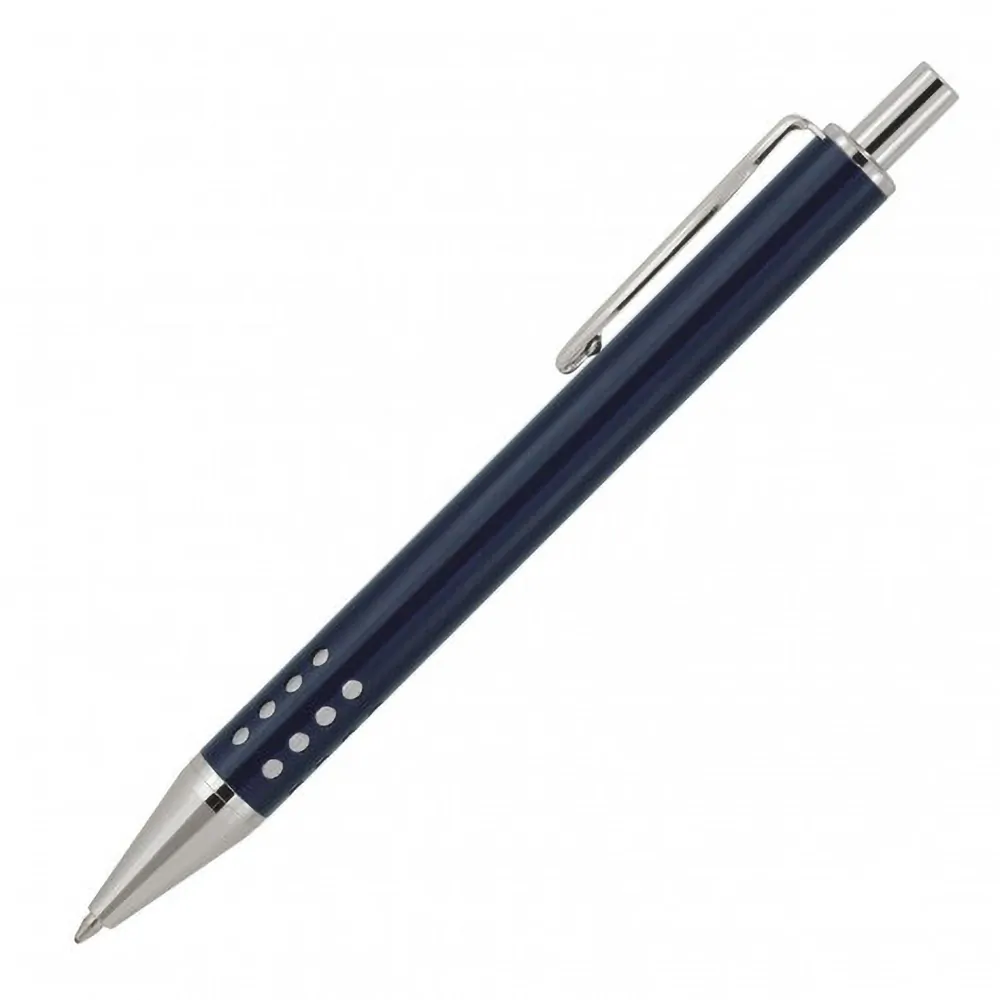
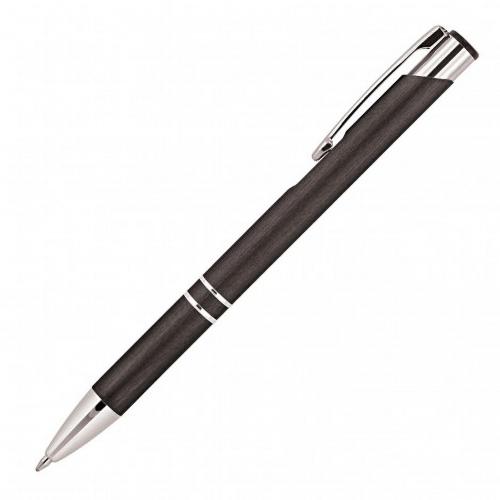
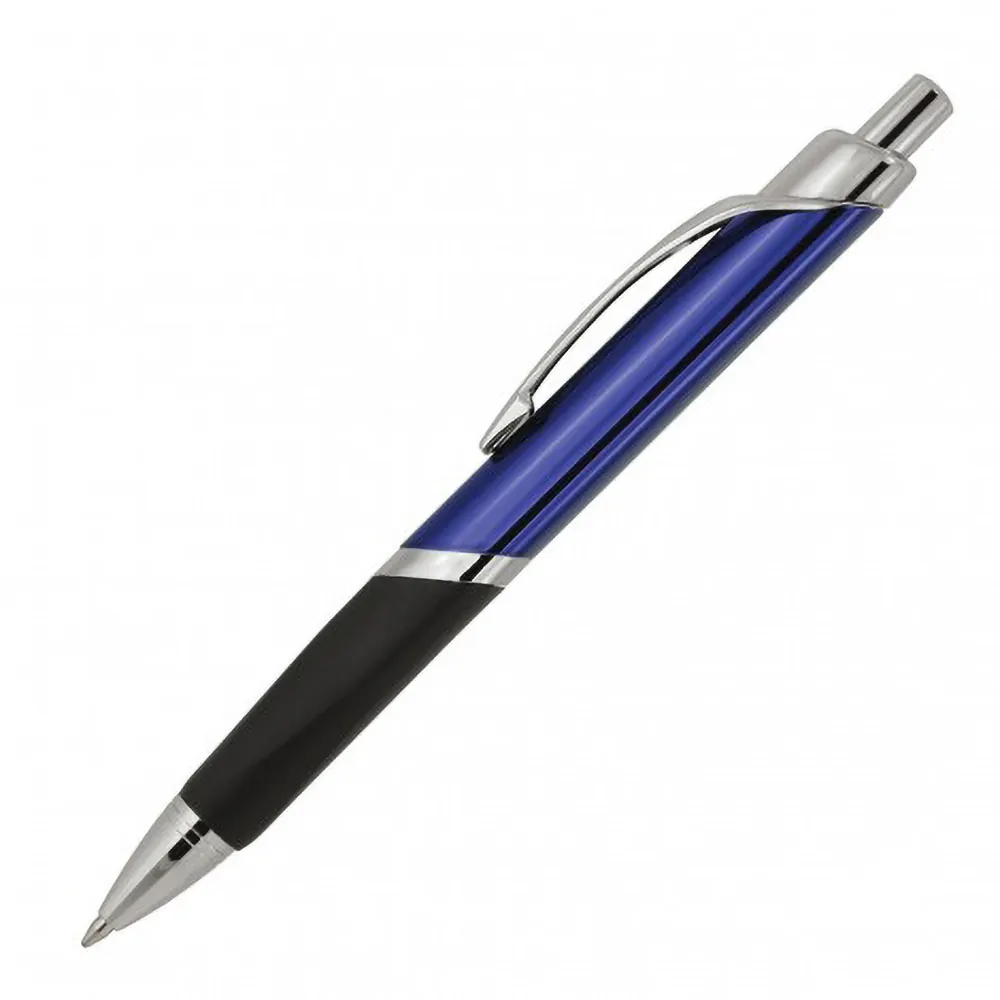
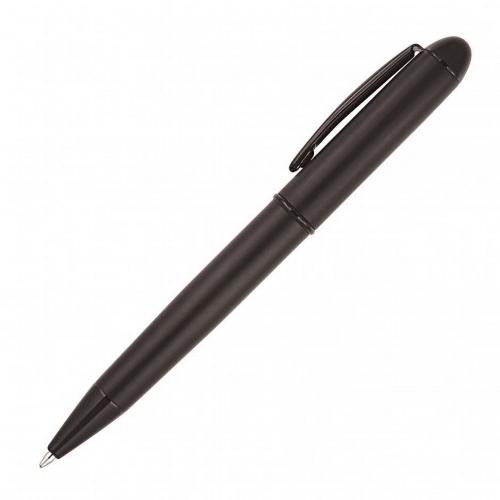
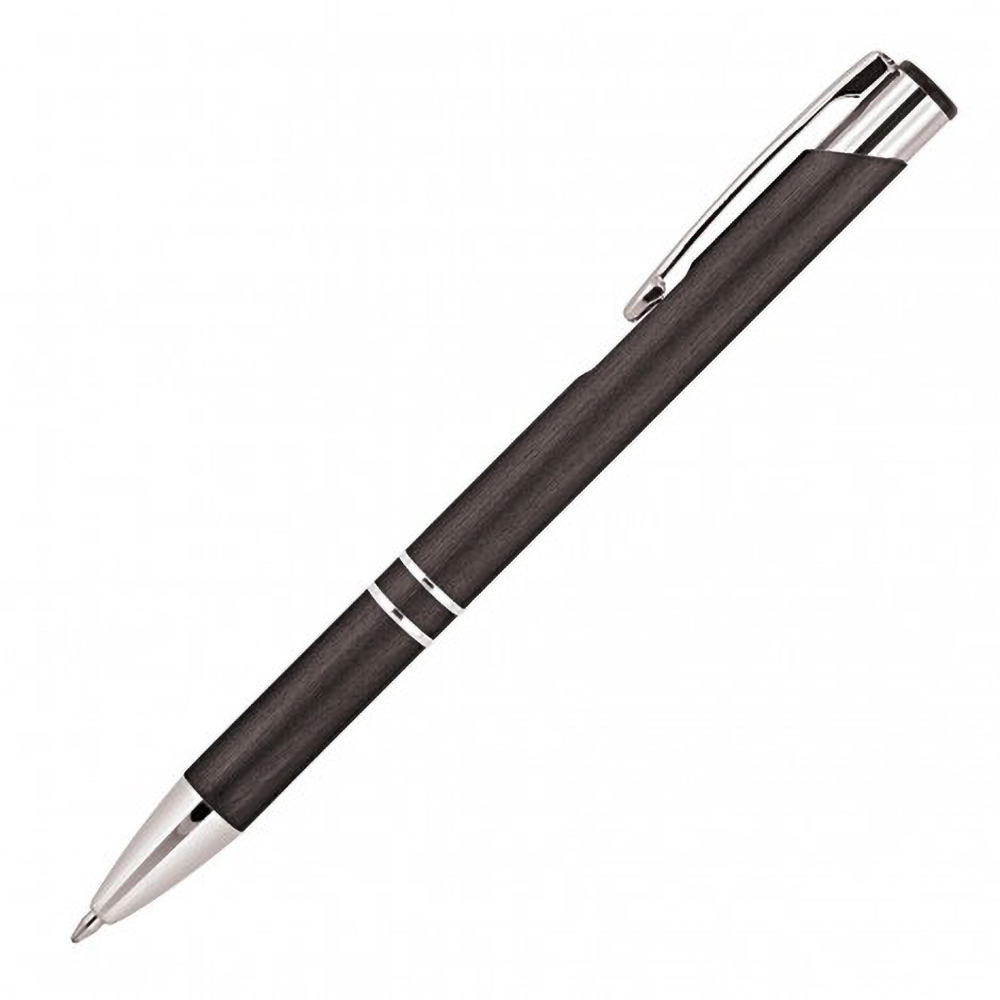
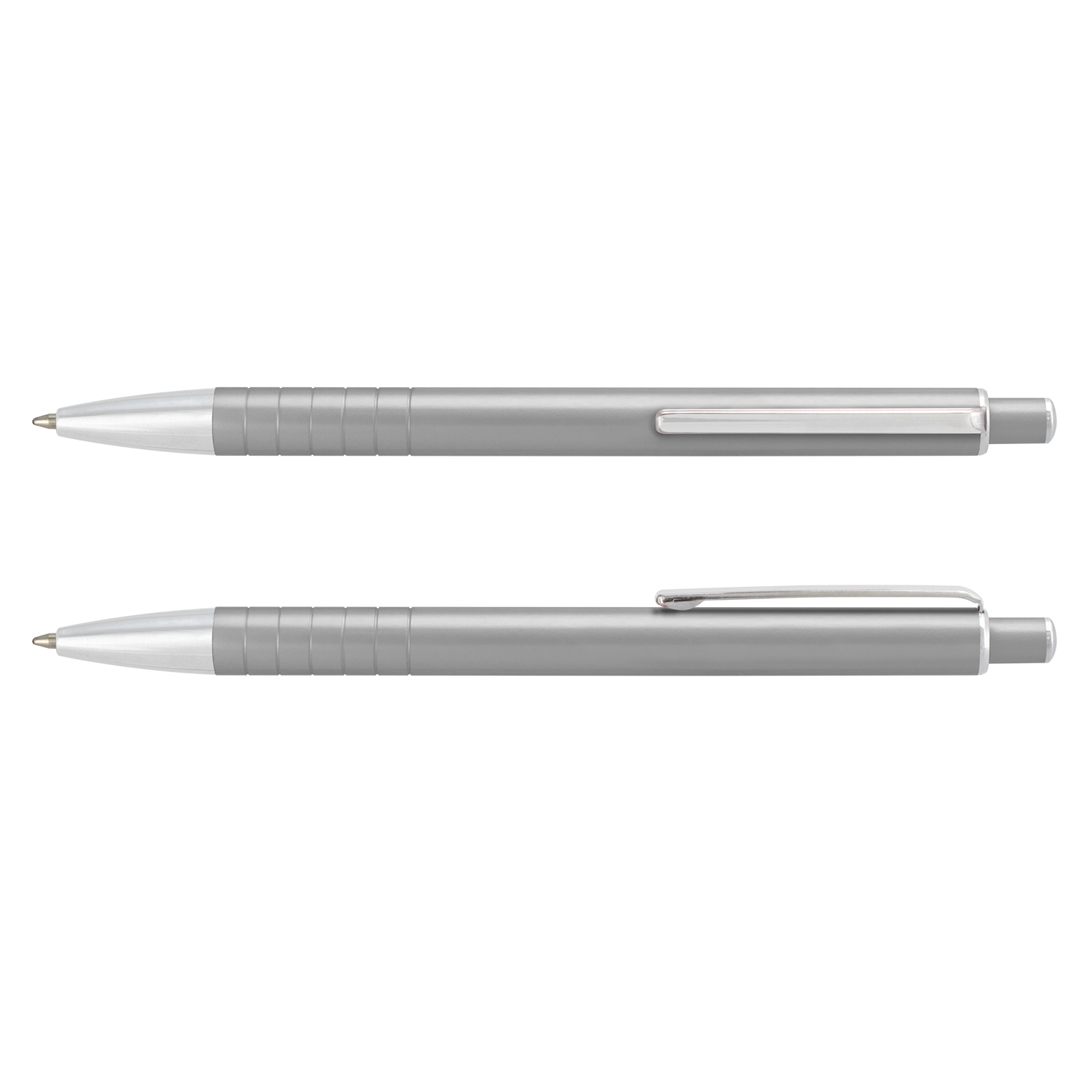
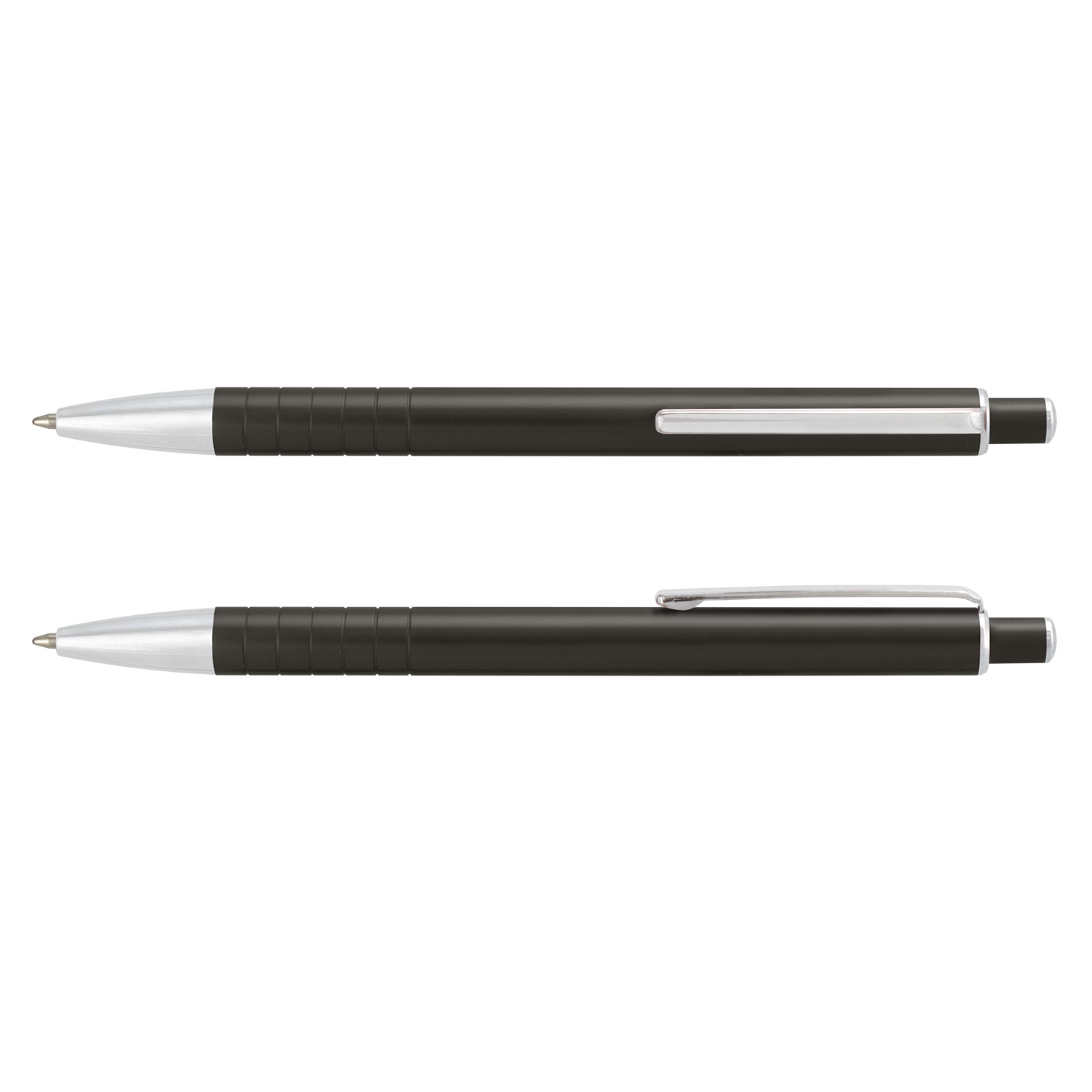
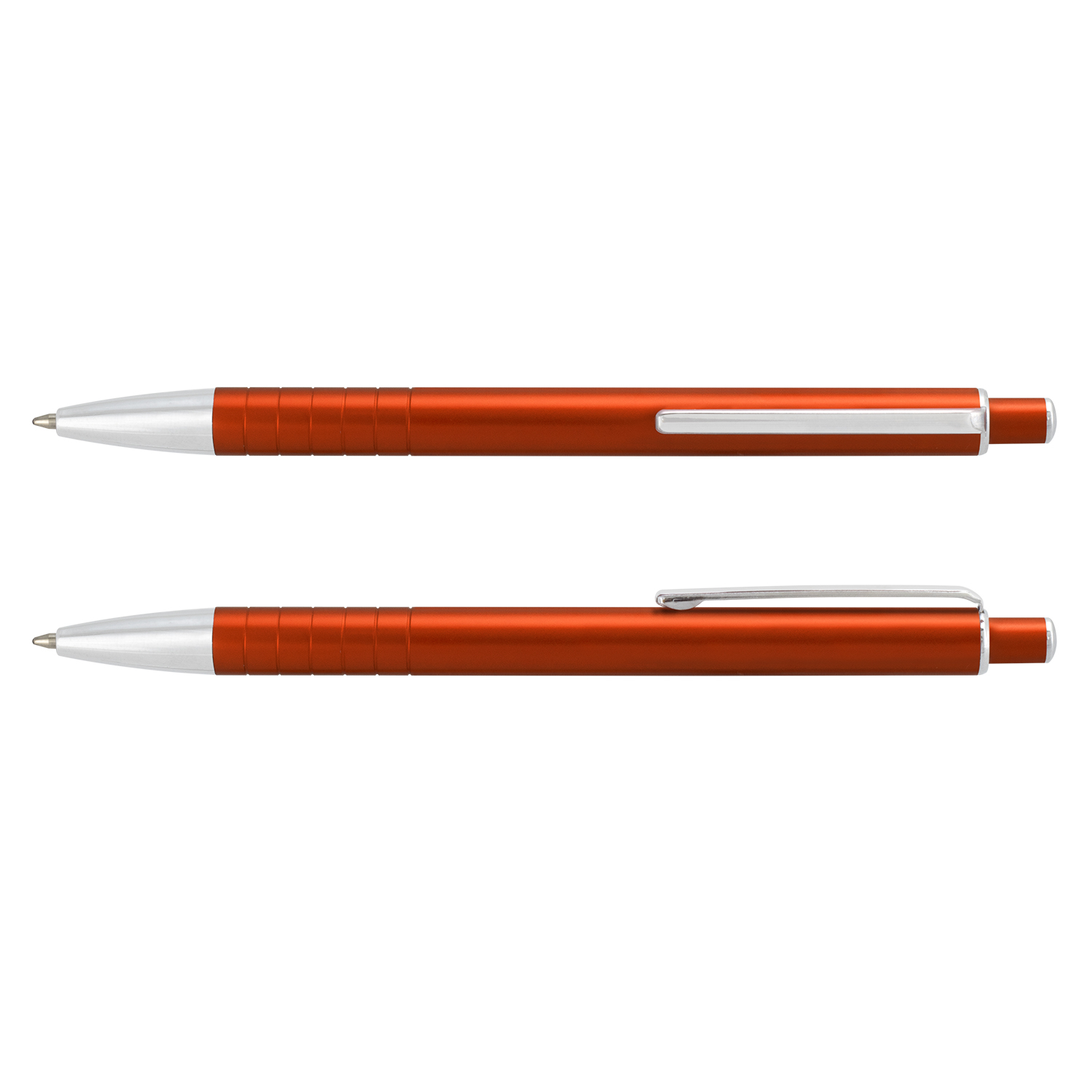
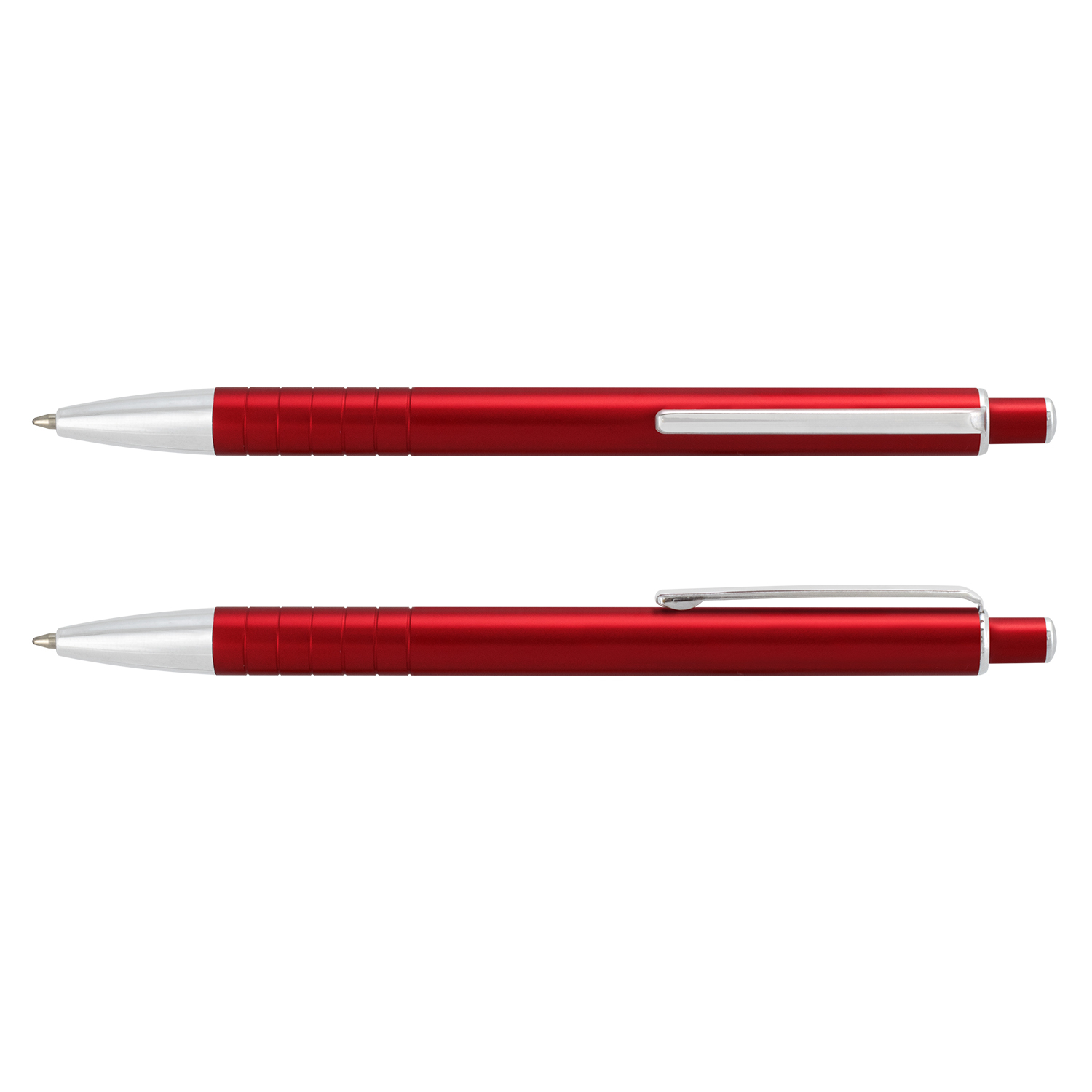
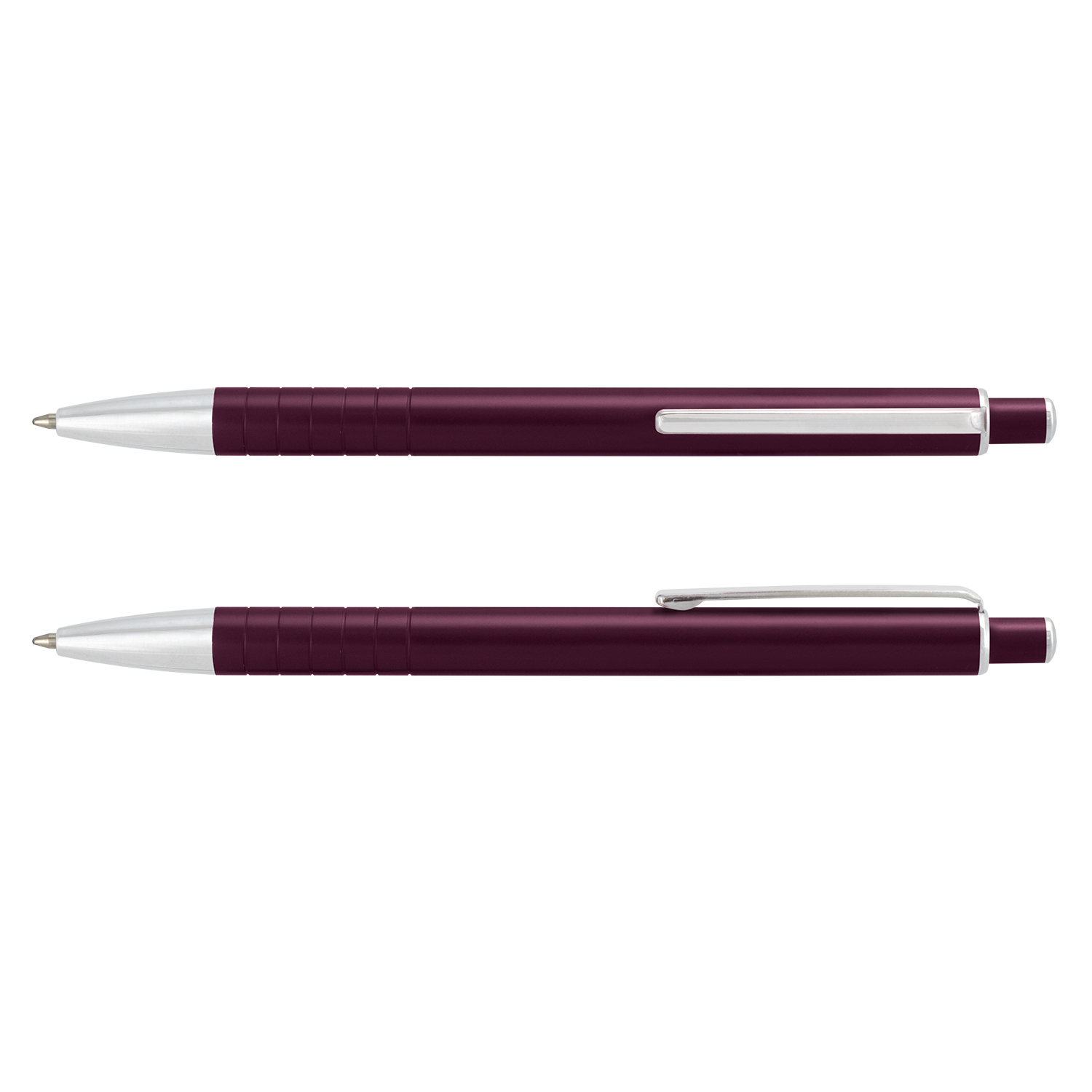
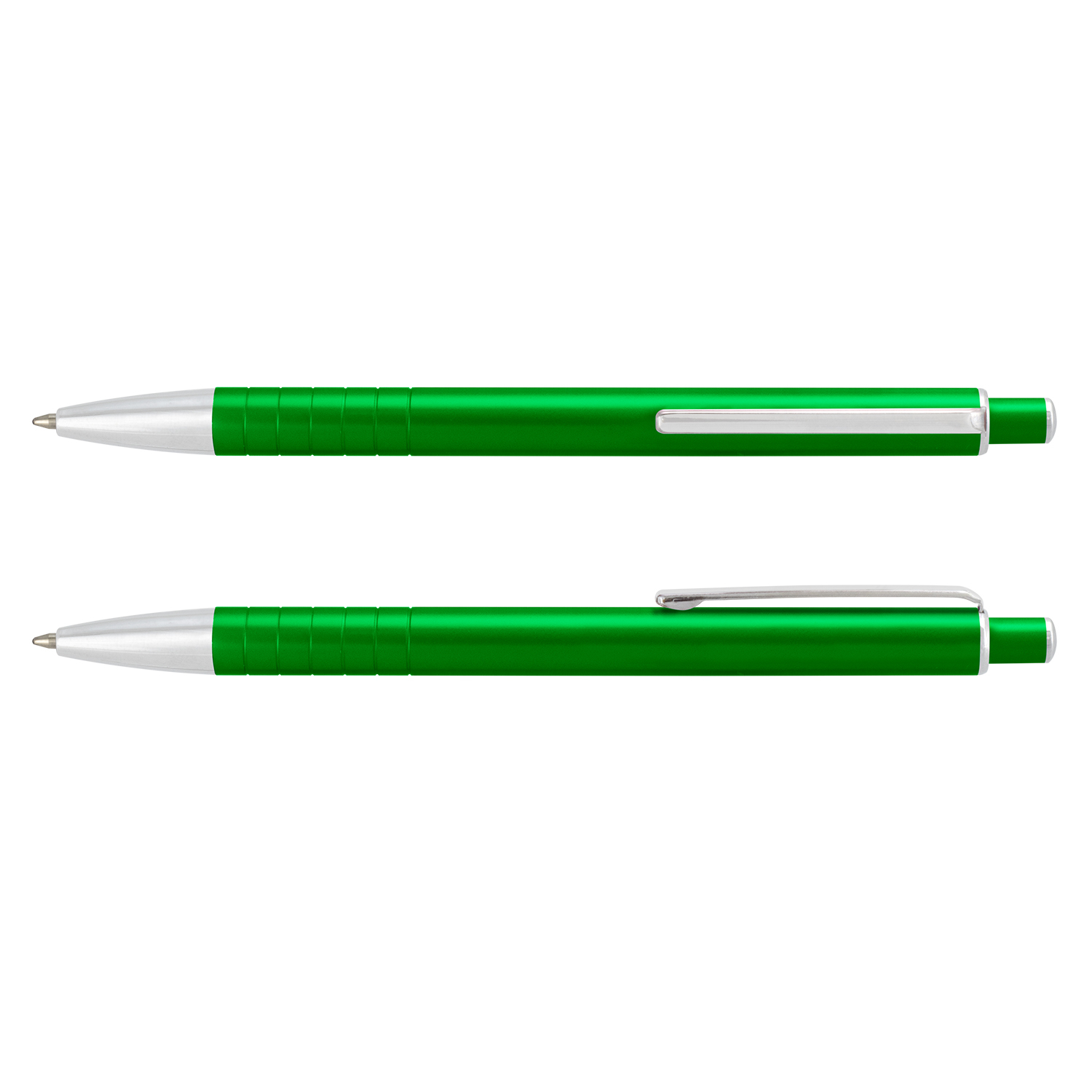
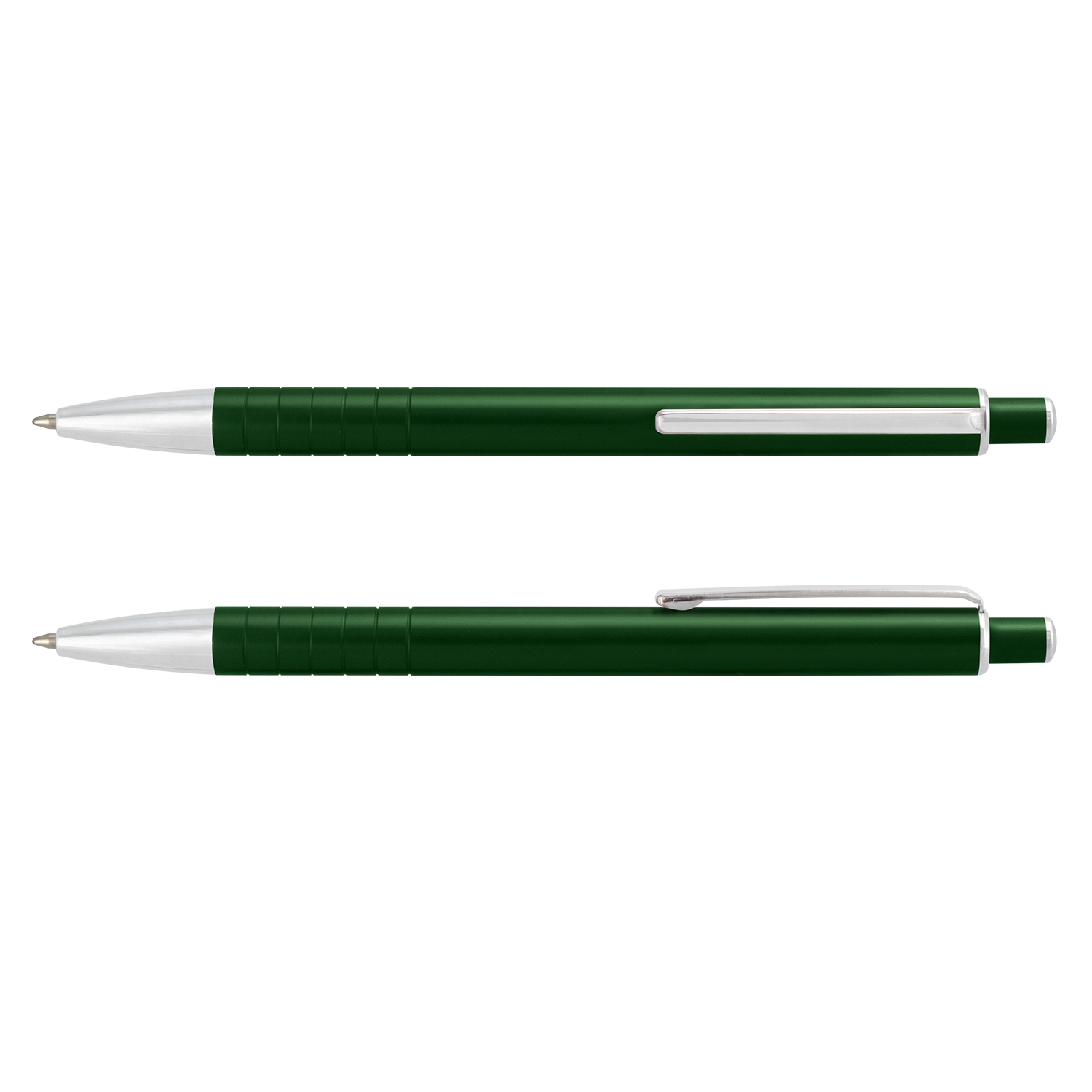
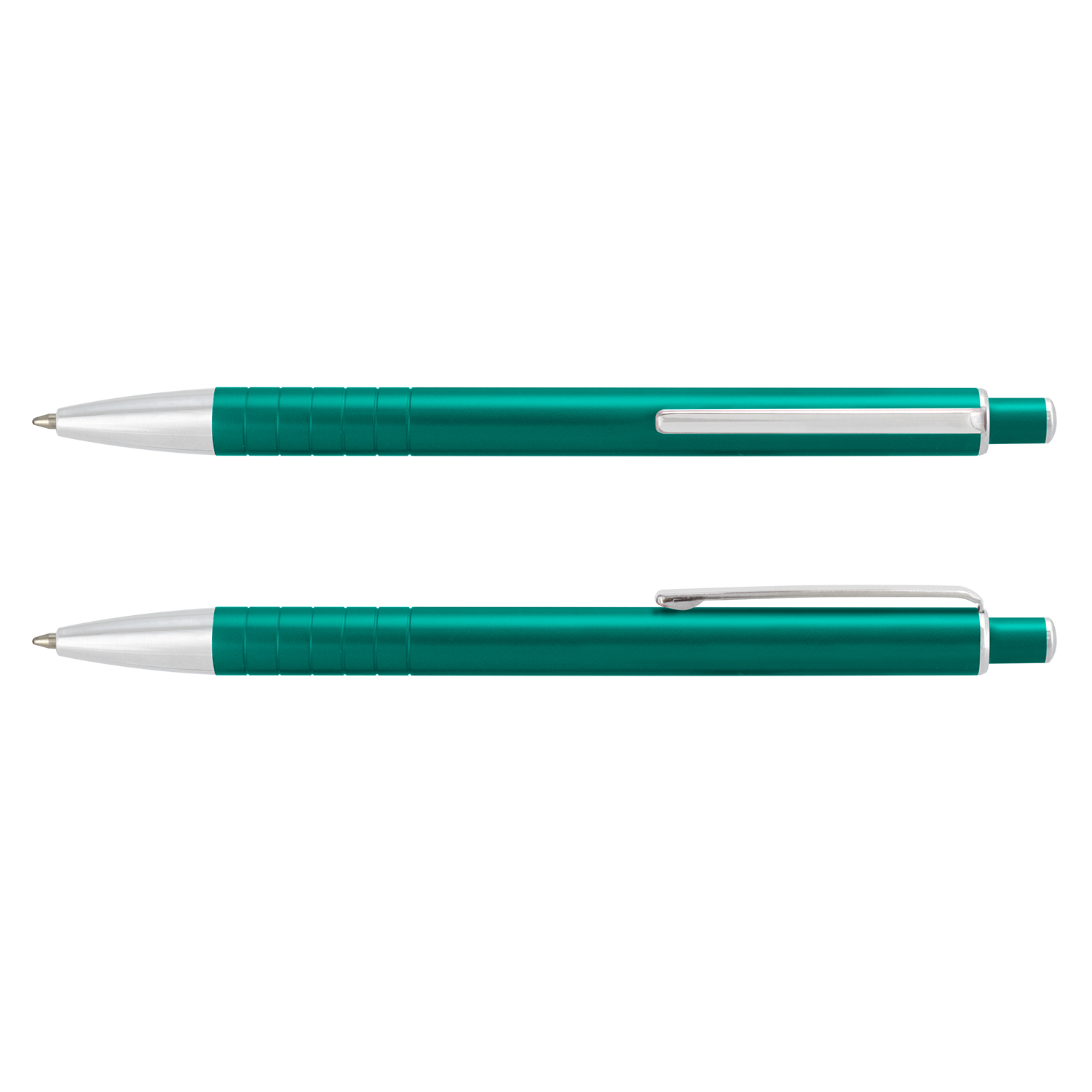
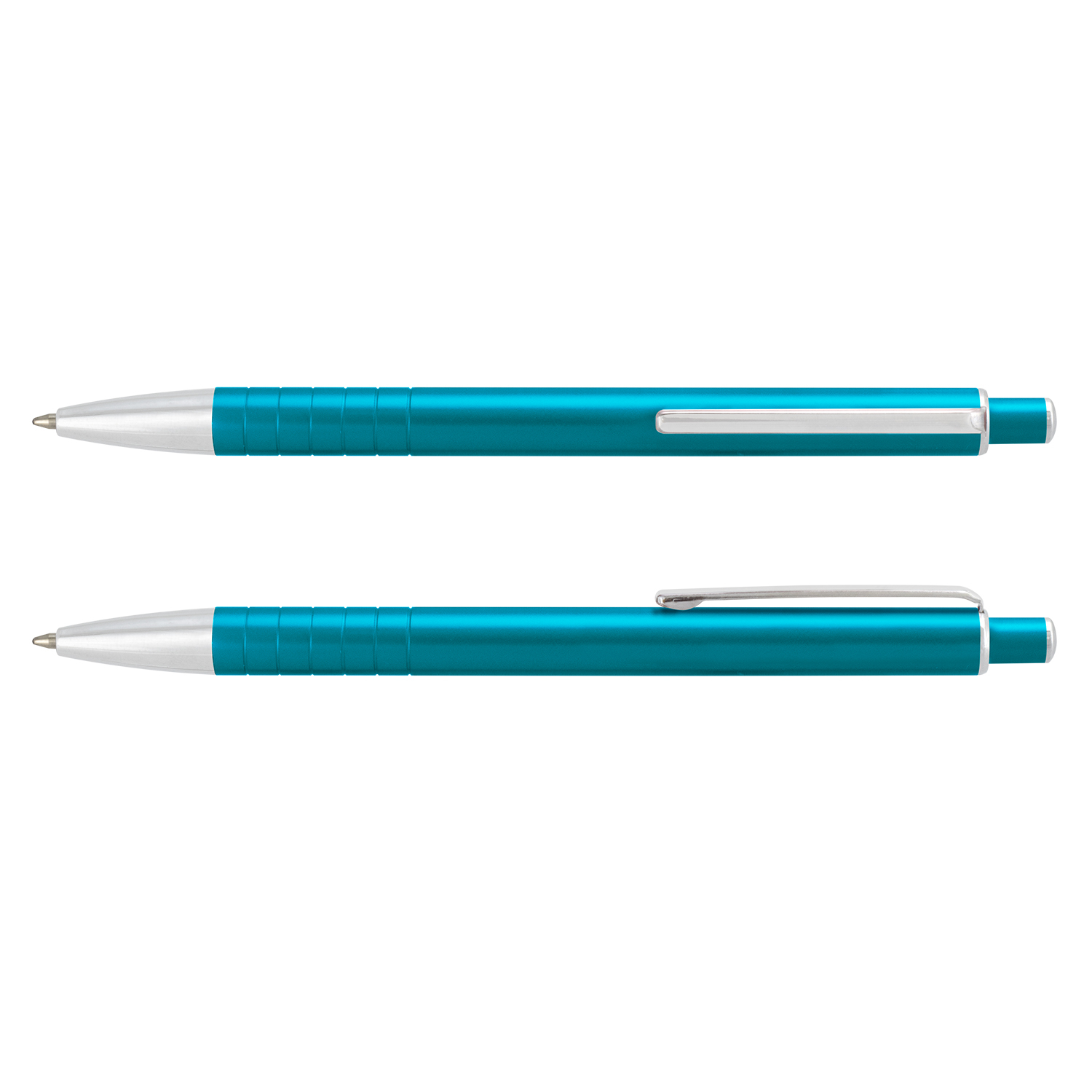
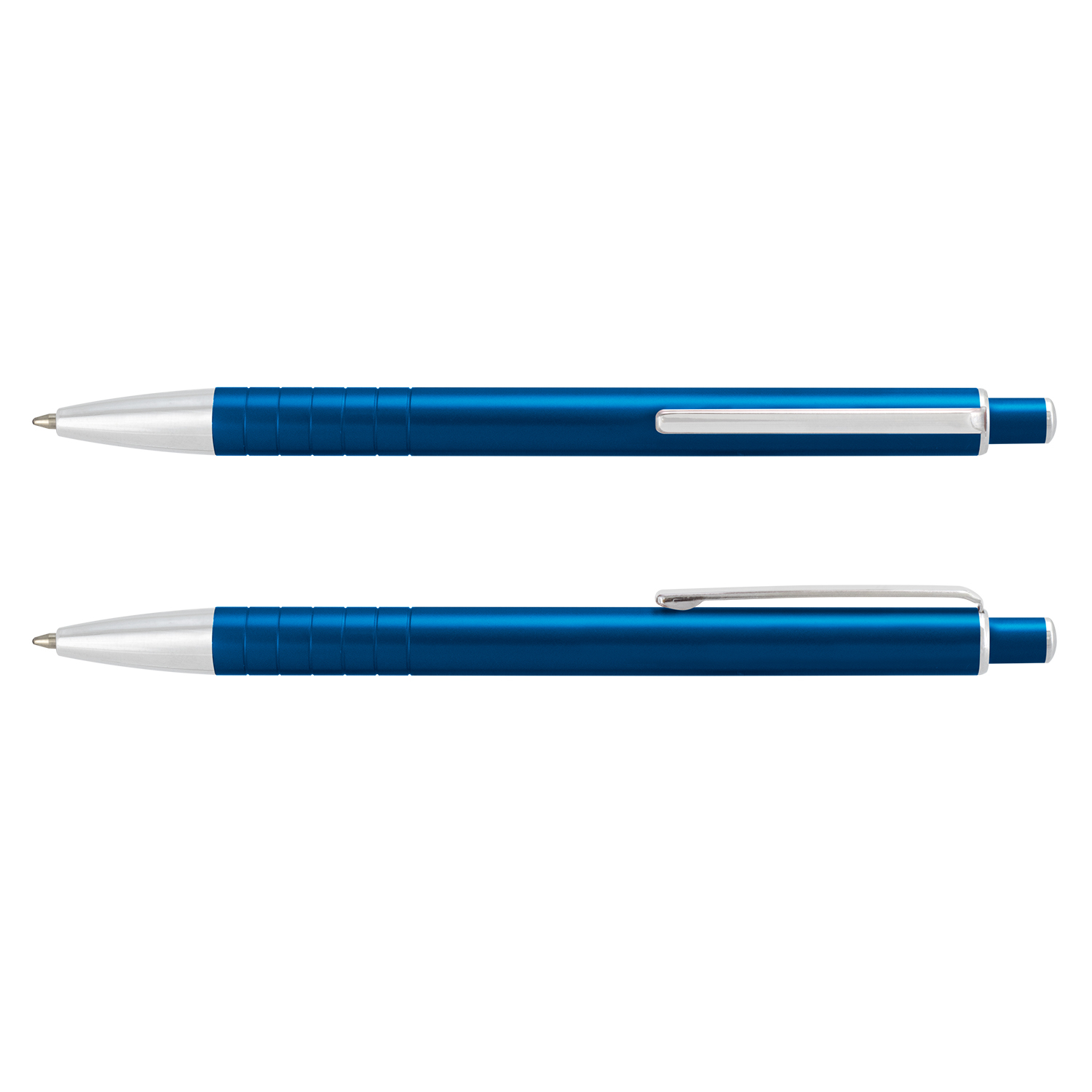
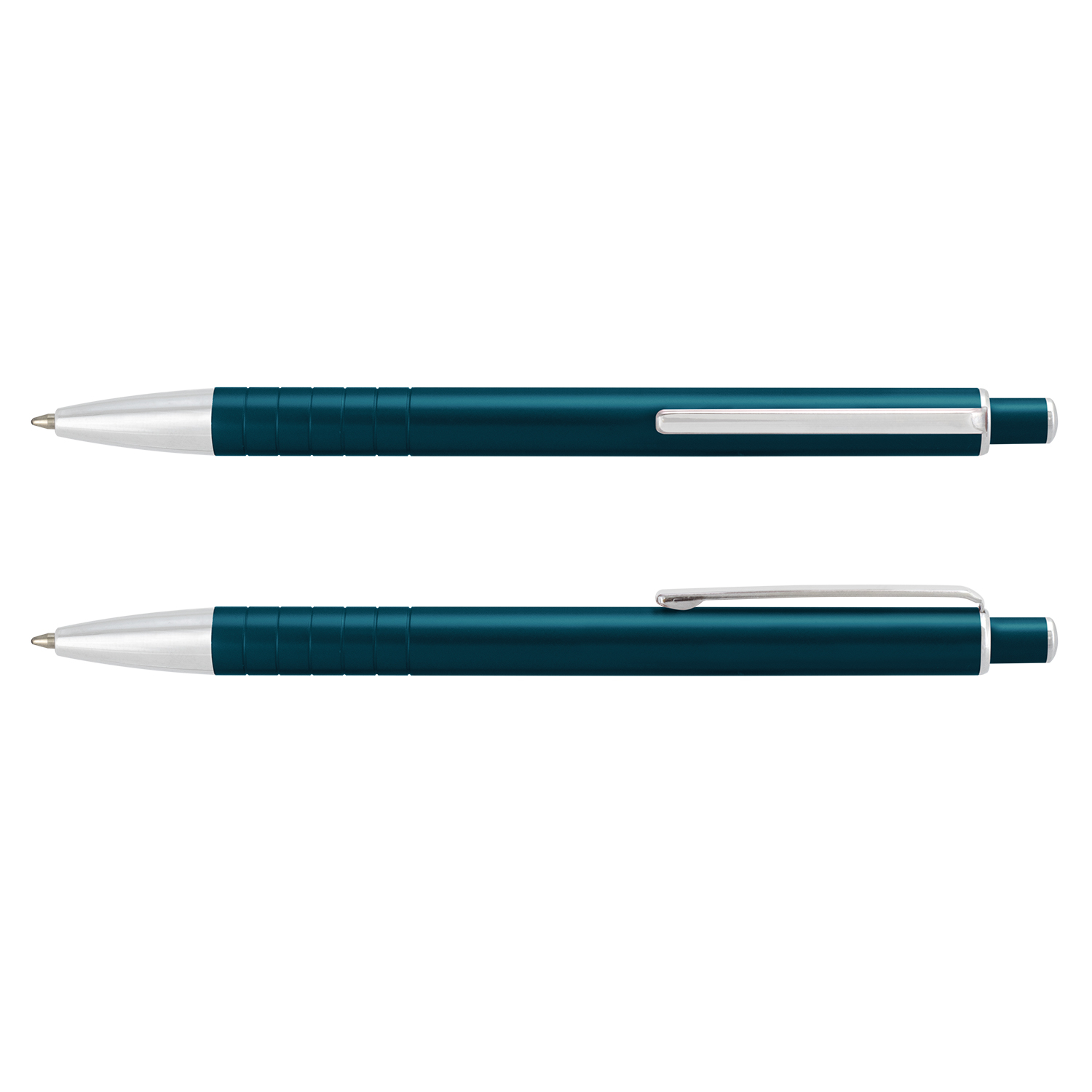
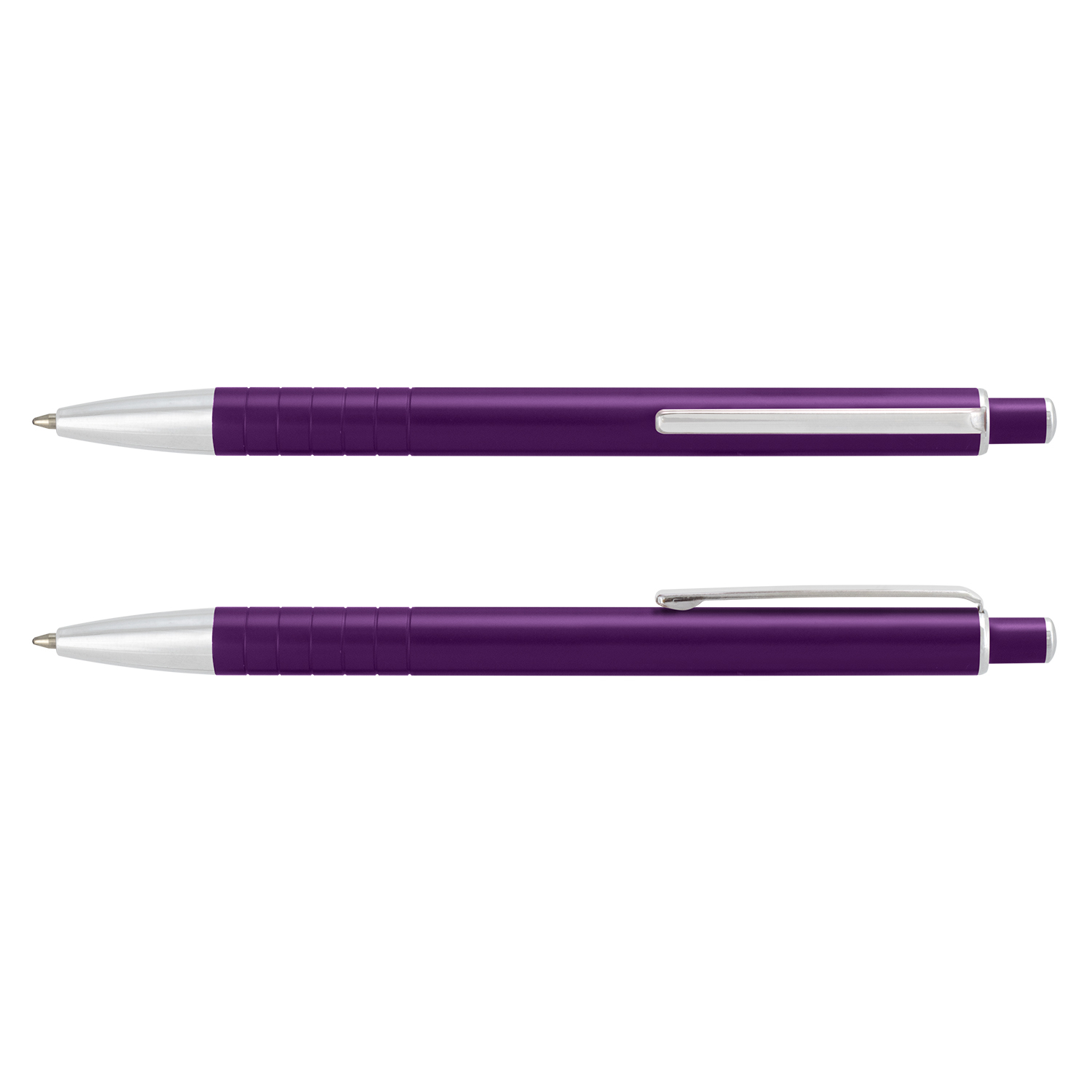
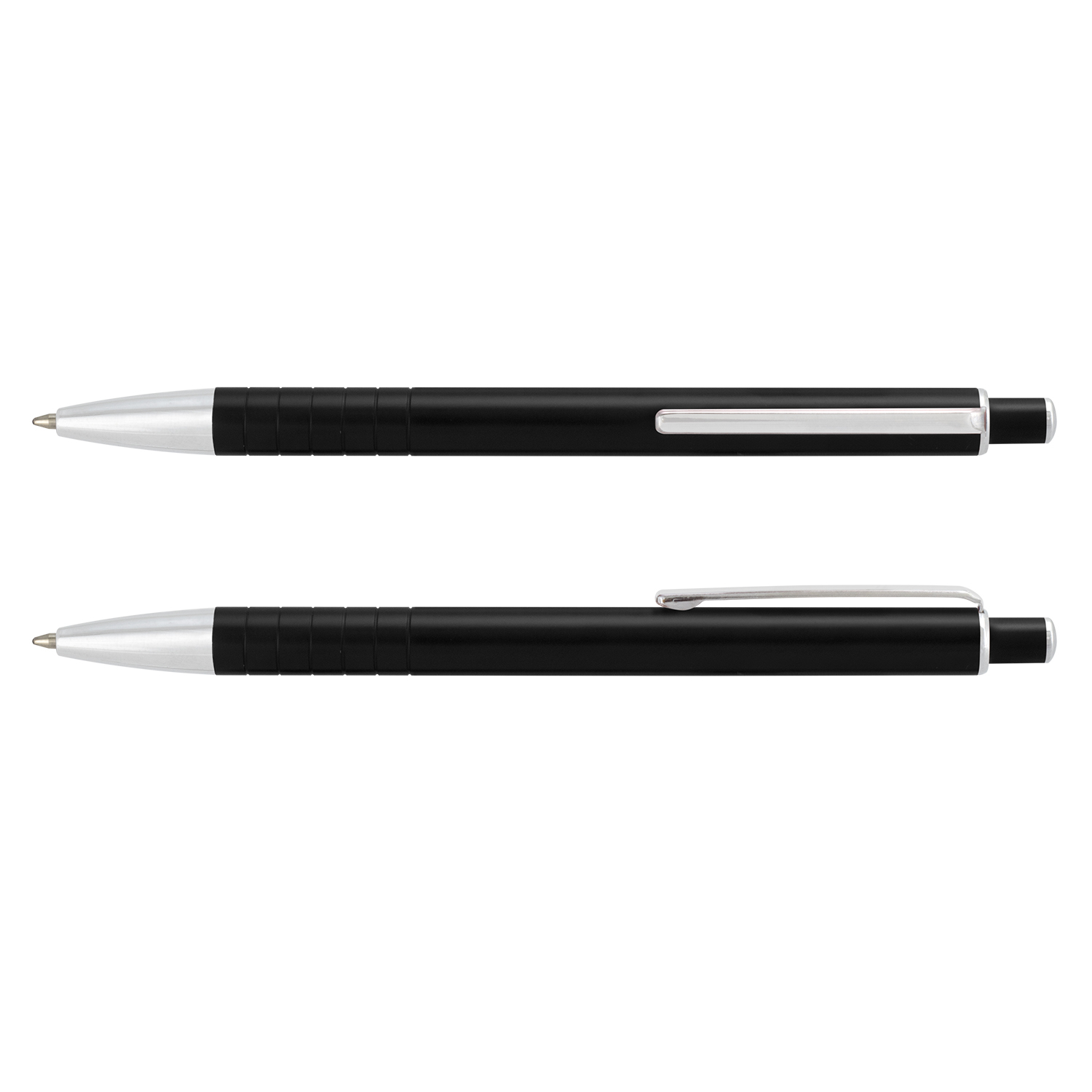
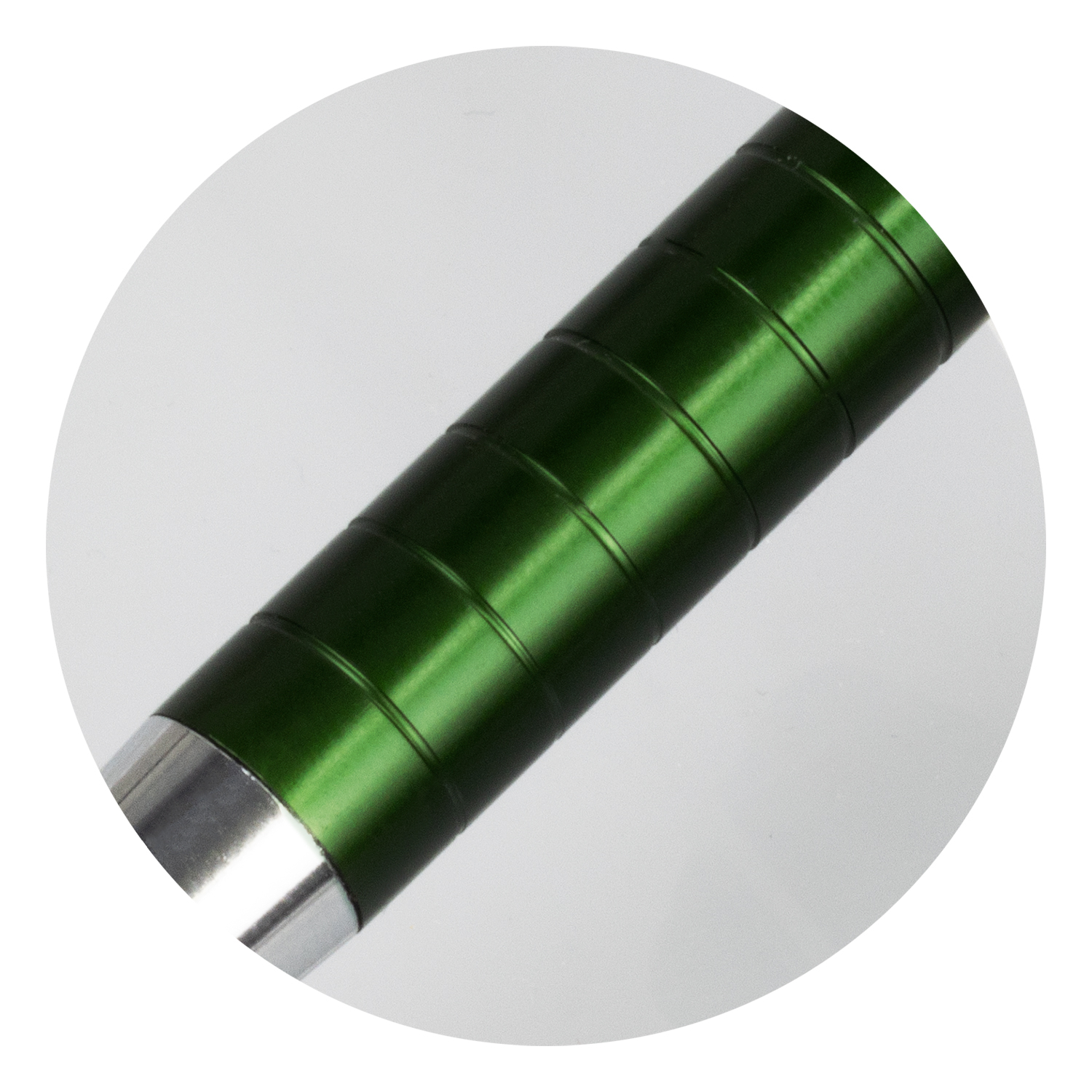
The Penova is a premium promotional pen featuring a sleek matte anodised aluminium barrel with unique patterned grip and shiny chrome trim. With 800 metres of smooth German-made ink and a refined 1mm nib, this retractable ballpoint is perfect for corporate gifts or branded merchandise that clients will actually use. Customise with laser engraving and present it in an optional pen sleeve for that extra professional touch.
Retractable aluminium ball pen with a matte anodised barrel, a unique patterned grip, and shiny chrome trim. It has 800m of black German manufactured Dokumental ink and can be presented in an optional pen sleeve.
Writing Distance: 800m
Pen Type: Ball
Refill Style: Standard Ballpoint Refill
Laser Engrave Finish: Oxidised White
Refill Colour: Black
Mechanism: Retractable
Barrel Finish: Matte Anodised
Trim: Shiny Chrome
Nib Size: 1mm
Country Of Origin: China
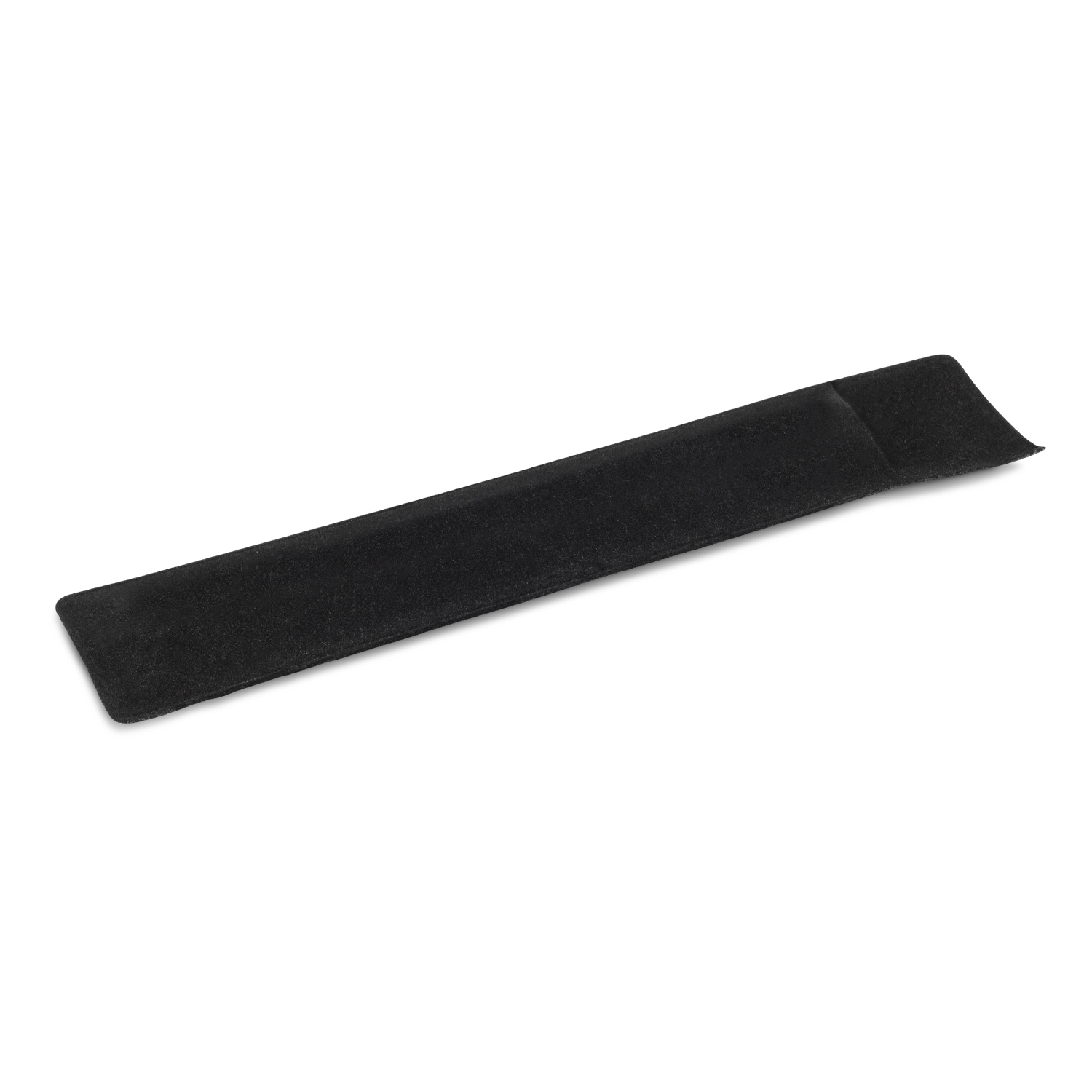
Loose packed or an optional pen sleeve.
Dimensions:
Dia 9.5mm x L 137mm x 12.5mm (includes clip)
See also: Browse all promotional metal pens
Additional information
| Decoration | 1 Colour Pad Print, 1 Colour Screen Print, 2 Colour Pad Print, 2 Colour Screen Print, 3 Colour Pad Print, 3 Colour Screen Print, Laser Engraving |
|---|---|
| Optional | None, Personalisation Surcharge (per line) |
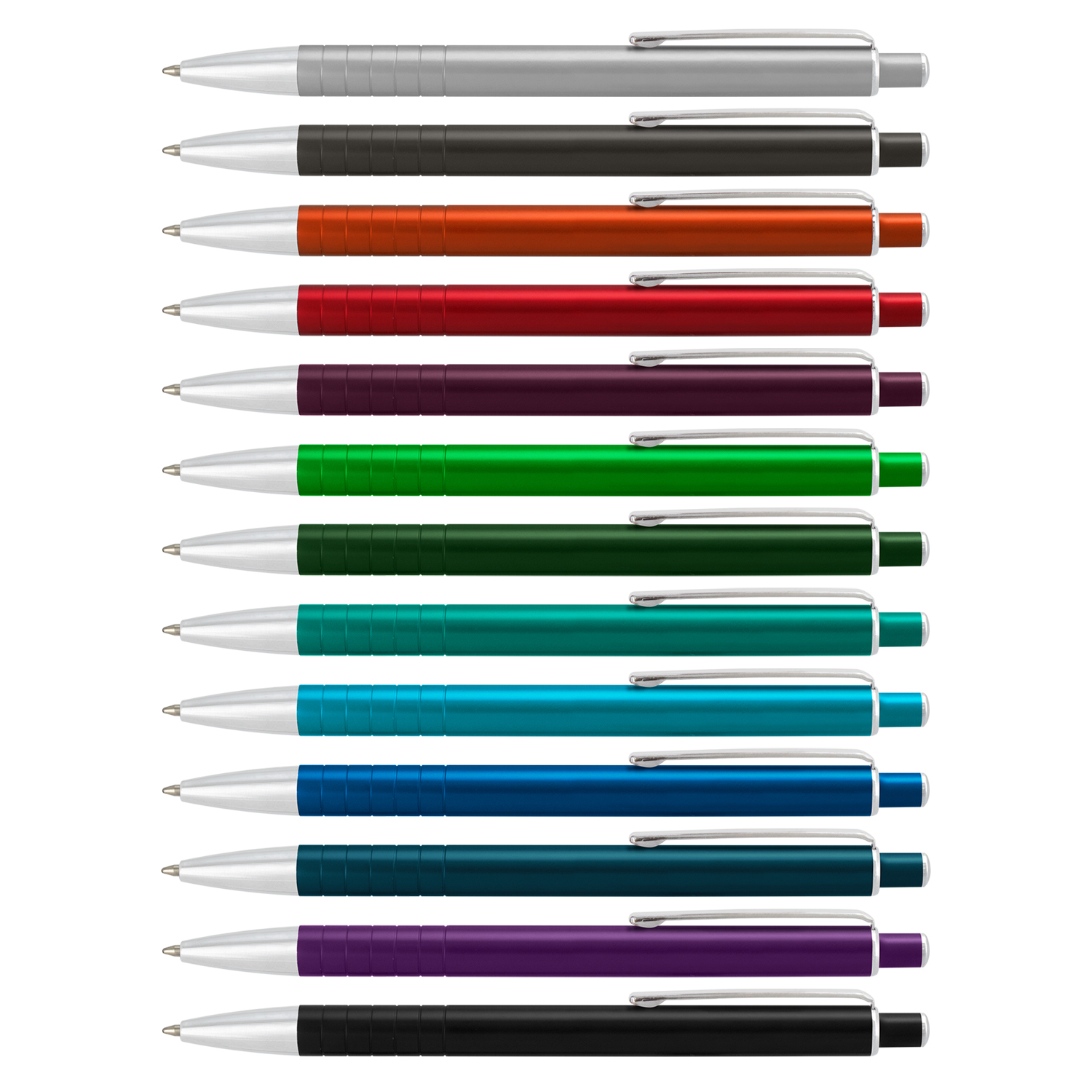
| Colour | Bright Green, Burgundy, dark green, gunmetal, Light Blue, Silver, Teal, Orange, Purple, Red, Royal Blue, Navy, Black |
| Material | Acrylonitrile Butadiene Styrene (ABS), Acrylonitrile Butadiene Styrene (ABS) | Aluminium, Aluminium, Iron, Tungsten Carbide |
| Production Time | 2 Weeks Production Time |
Our guarantee
All of our products are fully guaranteed to work, look and feel as designed.
Our most highly regarded company value at Good Things is integrity. We do what we say we are going to do in a timely fashion. We get "Back in a Flash" to all our clients for quotes, artwork and samples.
It is essential in our industry - from meeting delivery deadlines, through to having a product match a sample when delivered to each minute detail.
When dealing with us you can expect to get exactly what you ordered: as agreed, and on time. That is the Good Things Guarantee.
Product reviews
Penova

99.4% jobs
delivered on-time

Free graphic
design

Quotes within
24 hours


Get an instant quote
Description
The Penova is a premium promotional pen featuring a sleek matte anodised aluminium barrel with unique patterned grip and shiny chrome trim. With 800 metres of smooth German-made ink and a refined 1mm nib, this retractable ballpoint is perfect for corporate gifts or branded merchandise that clients will actually use. Customise with laser engraving and present it in an optional pen sleeve for that extra professional touch.
Retractable aluminium ball pen with a matte anodised barrel, a unique patterned grip, and shiny chrome trim. It has 800m of black German manufactured Dokumental ink and can be presented in an optional pen sleeve.
Writing Distance: 800m
Pen Type: Ball
Refill Style: Standard Ballpoint Refill
Laser Engrave Finish: Oxidised White
Refill Colour: Black
Mechanism: Retractable
Barrel Finish: Matte Anodised
Trim: Shiny Chrome
Nib Size: 1mm
Country Of Origin: China
Loose packed or an optional pen sleeve.
Dimensions:
Dia 9.5mm x L 137mm x 12.5mm (includes clip)
See also: Browse all promotional metal pens
Additional information
| Decoration | 1 Colour Pad Print, 1 Colour Screen Print, 2 Colour Pad Print, 2 Colour Screen Print, 3 Colour Pad Print, 3 Colour Screen Print, Laser Engraving |
|---|---|
| Optional | None, Personalisation Surcharge (per line) |
| Colour | Bright Green, Burgundy, dark green, gunmetal, Light Blue, Silver, Teal, Orange, Purple, Red, Royal Blue, Navy, Black |
| Material | Acrylonitrile Butadiene Styrene (ABS), Acrylonitrile Butadiene Styrene (ABS) | Aluminium, Aluminium, Iron, Tungsten Carbide |
| Production Time | 2 Weeks Production Time |
Our guarantee
All of our products are fully guaranteed to work, look and feel as designed.
Our most highly regarded company value at Good Things is integrity. We do what we say we are going to do in a timely fashion. We get "Back in a Flash" to all our clients for quotes, artwork and samples.
It is essential in our industry - from meeting delivery deadlines, through to having a product match a sample when delivered to each minute detail.
When dealing with us you can expect to get exactly what you ordered: as agreed, and on time. That is the Good Things Guarantee.